
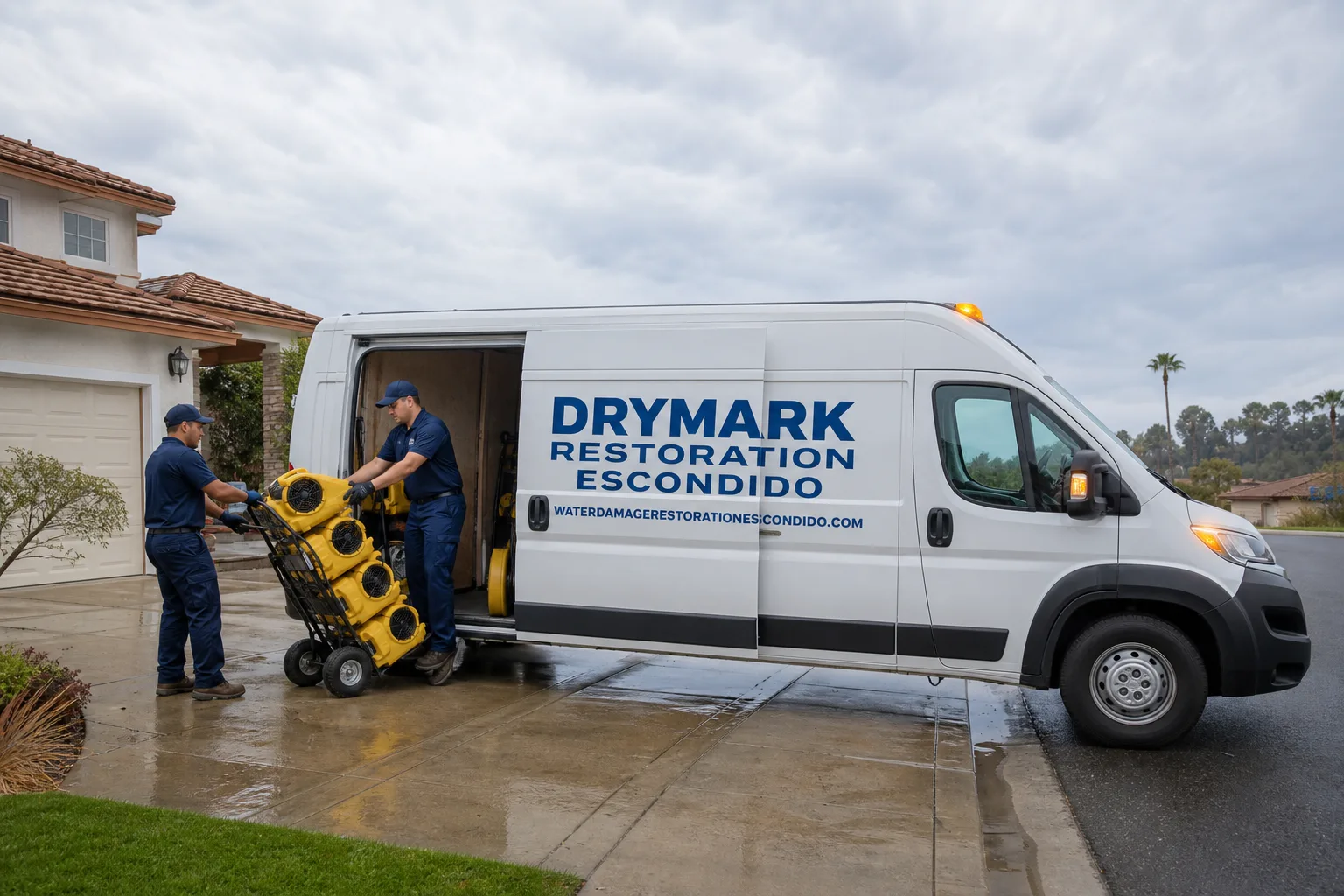
Free visual inspection and a written scope of work before any mitigation begins - photos, moisture readings, and drying logs go in your claim file
The scope we write is the scope we bill. Anything new gets shown to you, in writing, before we touch it.
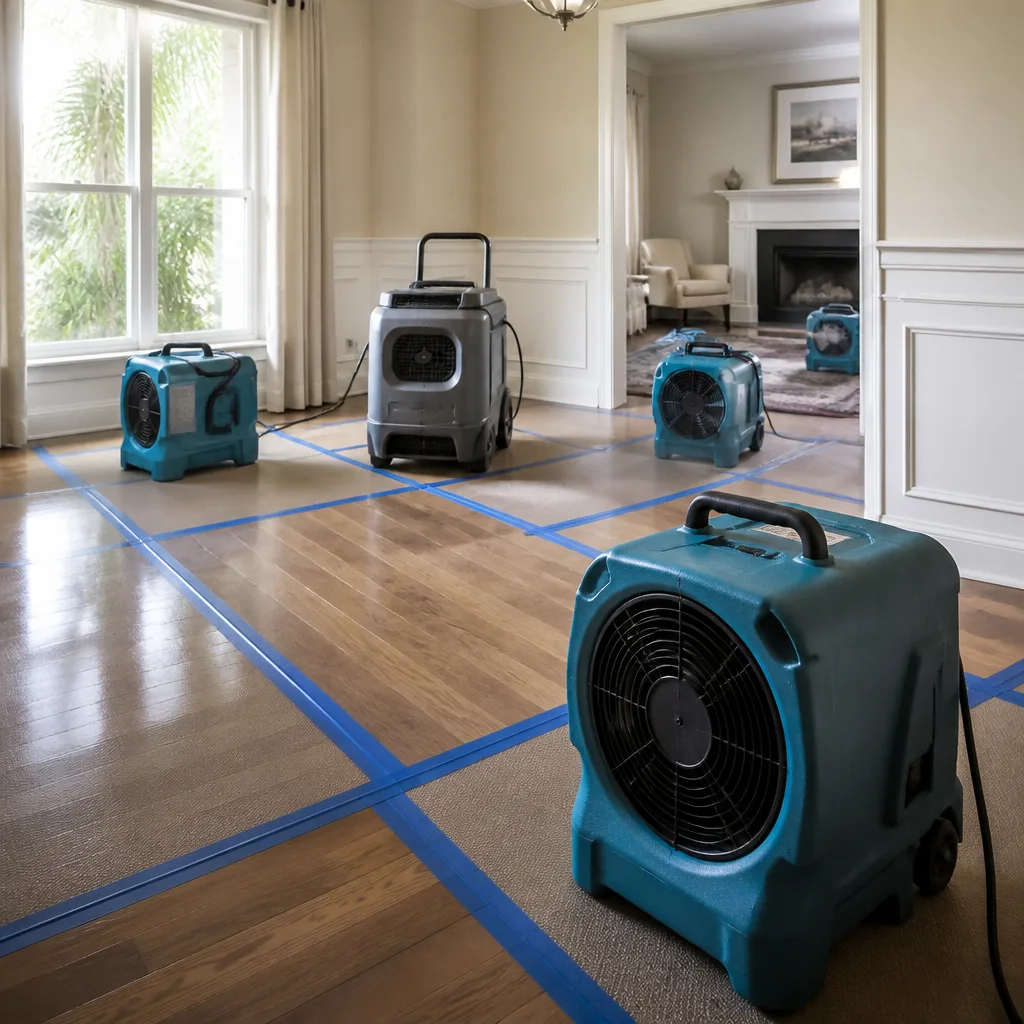
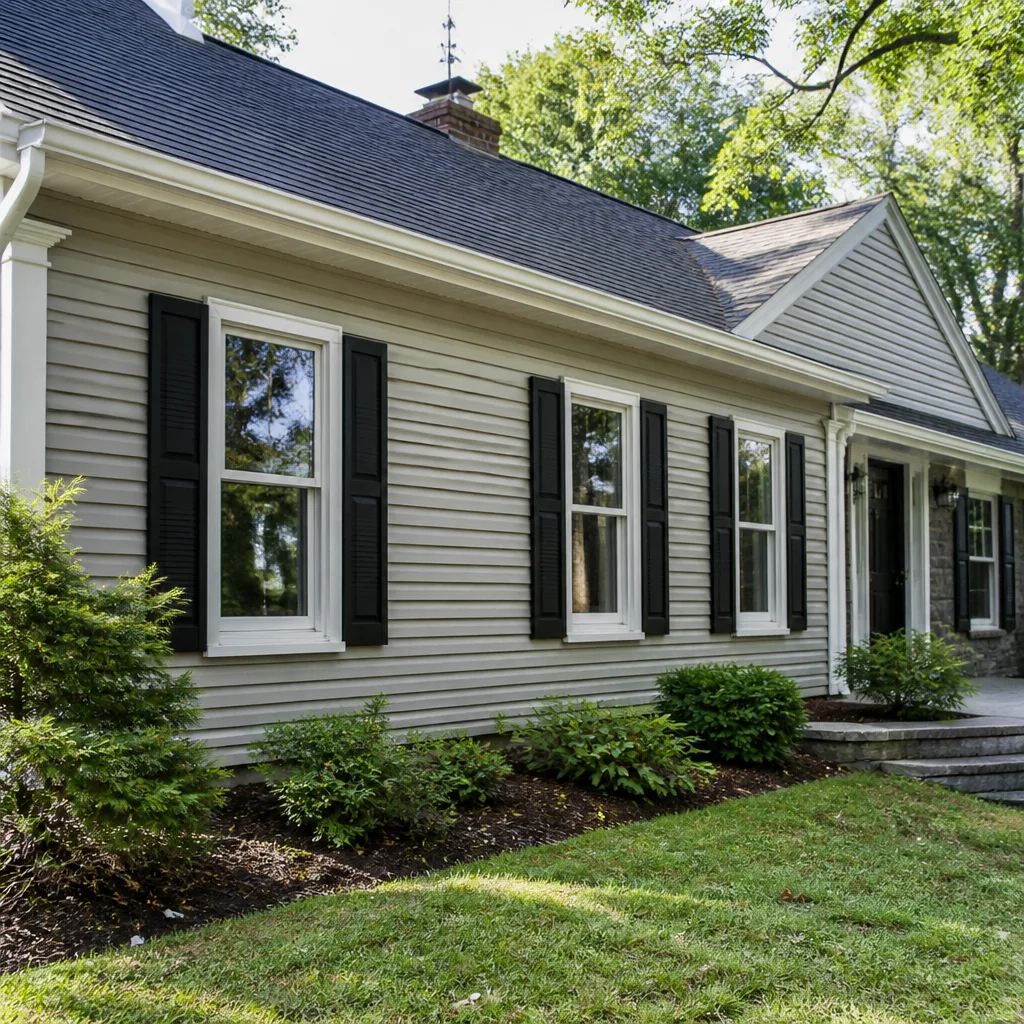
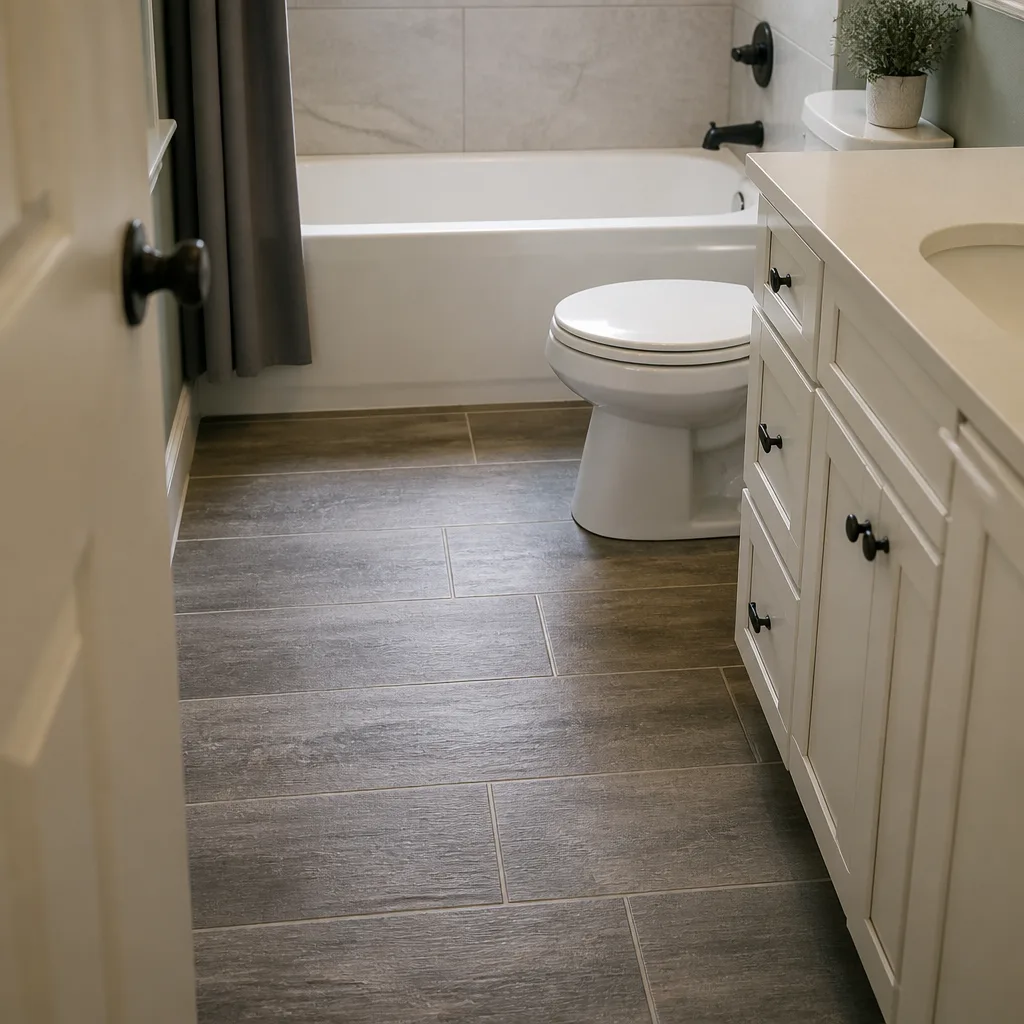

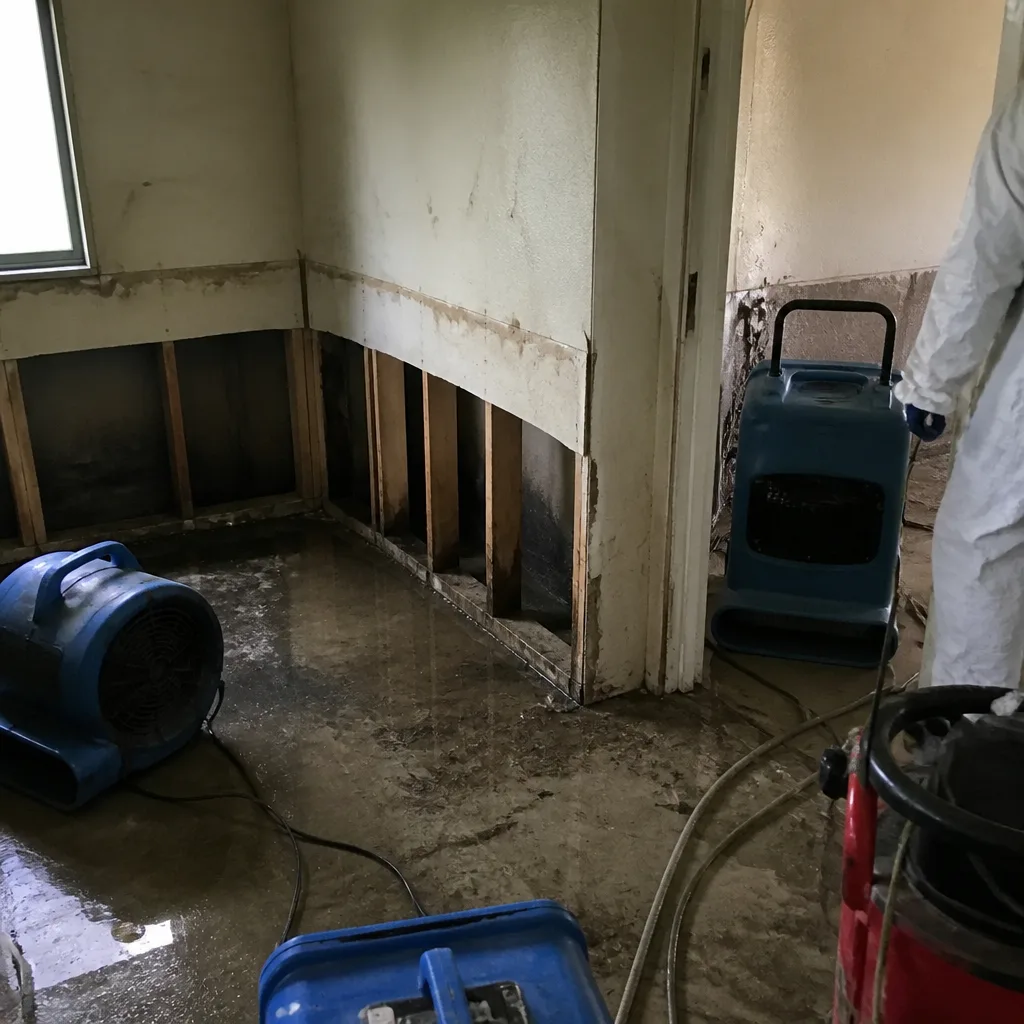 Before
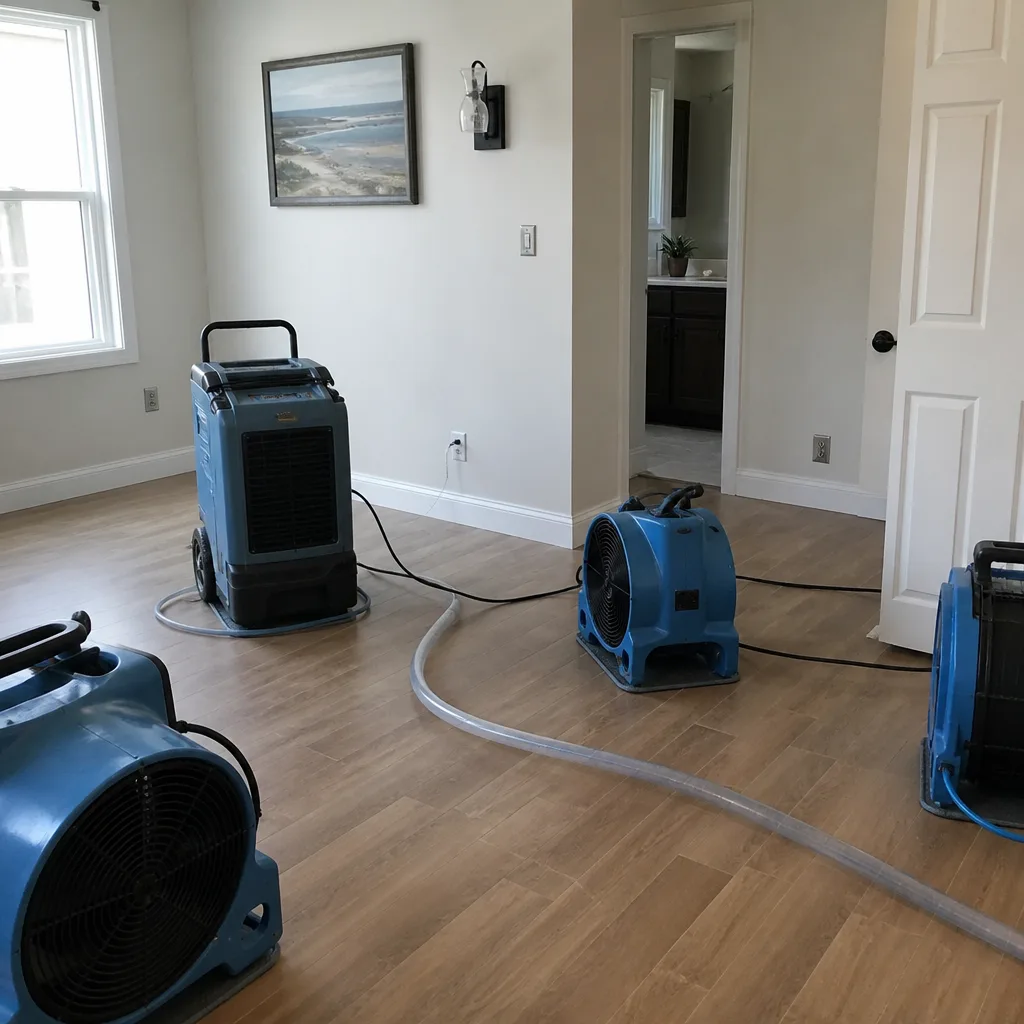 After
After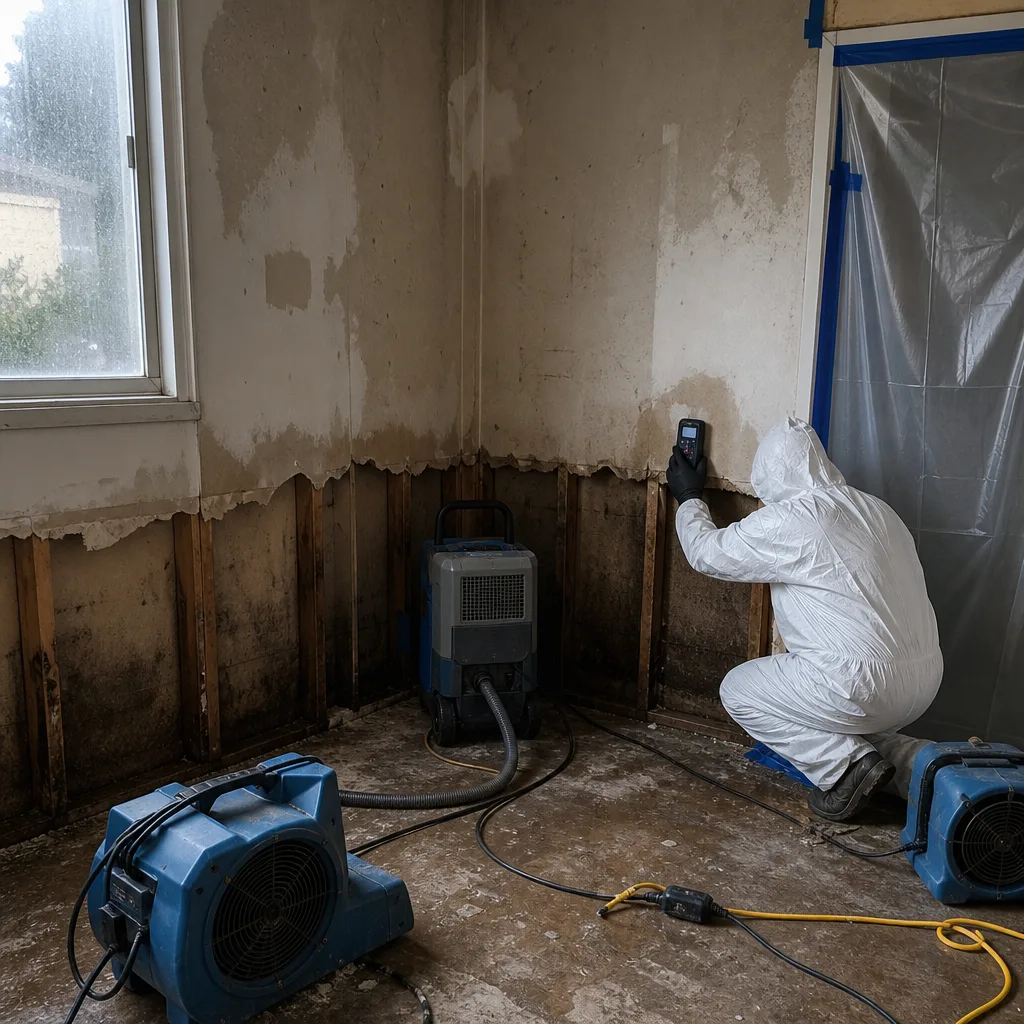 Before
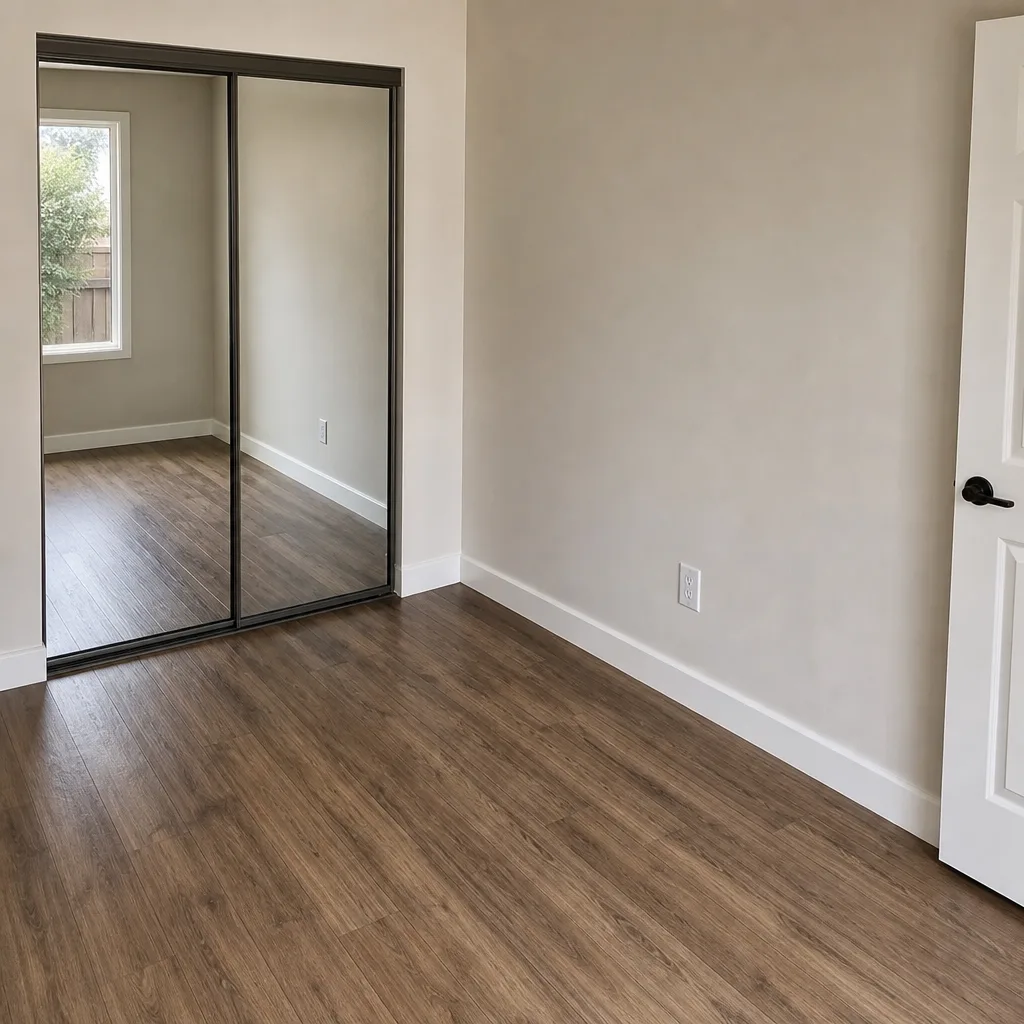 After
After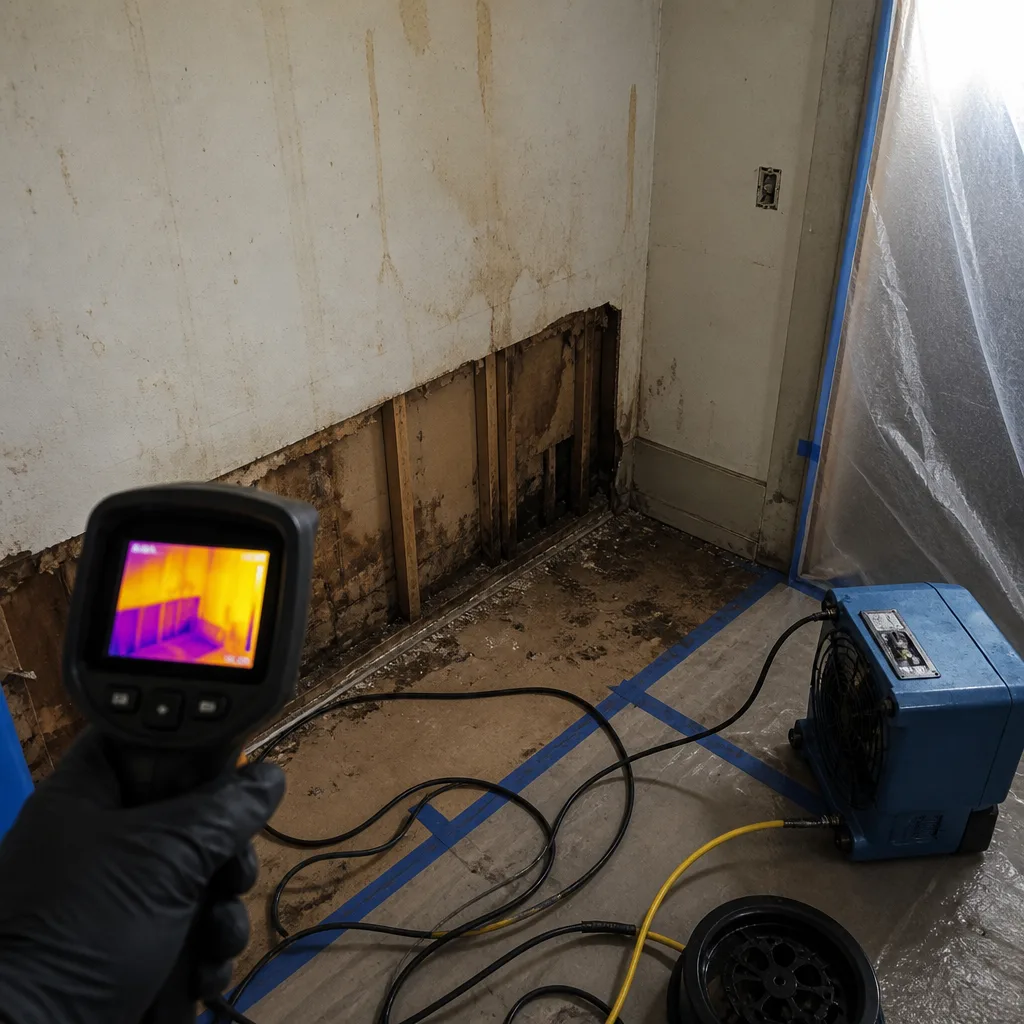 Before
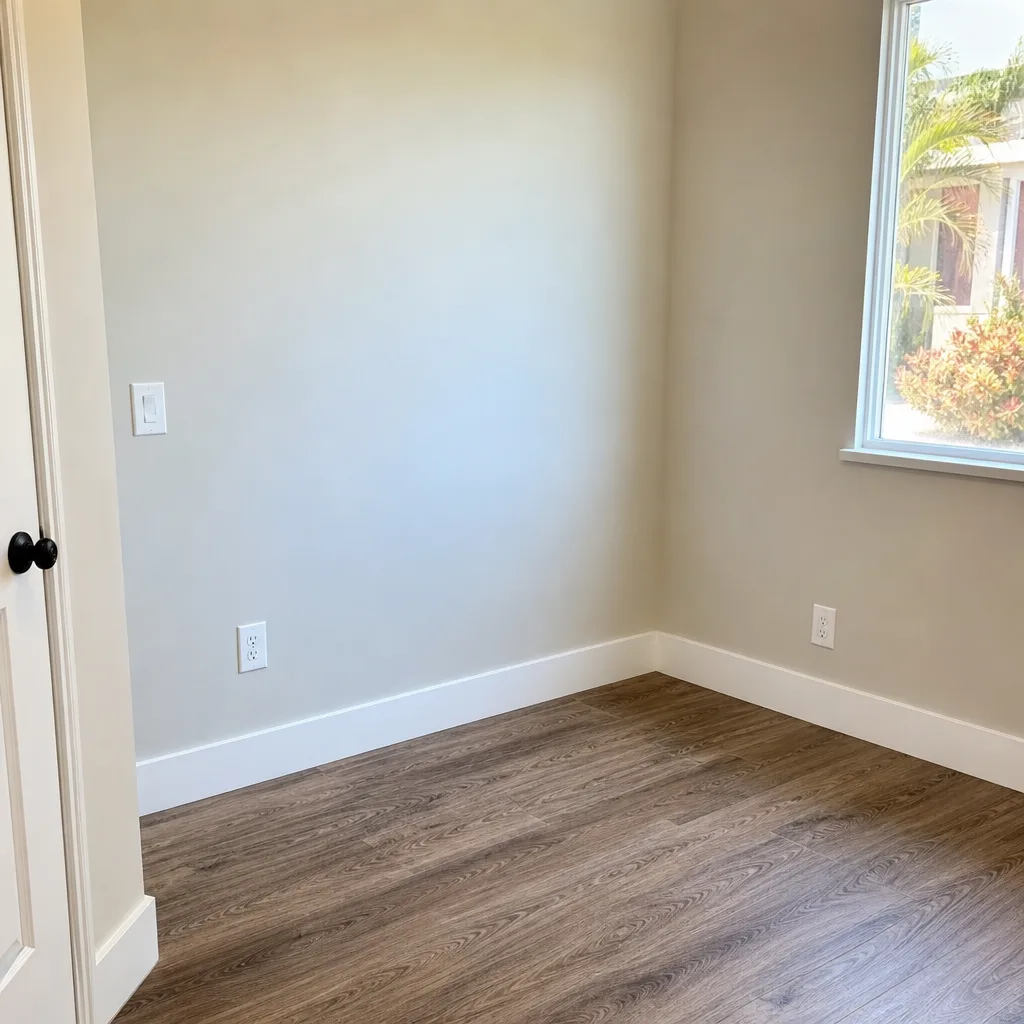 After
AfterFast, Reliable Water Damage Restoration Across Poway
Water damage restoration in Poway typically costs $1,800-$5,500 for residential mitigation, with emergency extraction starting at $450-$950 and full structural drying running $2,200-$4,800 depending on square footage and contamination level. Our crews are dispatched from our San Diego office and can be on-site anywhere in Poway within 60-90 minutes for emergency calls. Call (760) 691-2950 now - estimates are free, and a written price is delivered before any work begins, every time.
We know Poway’s properties. The 1970s ranch homes along Twin Peaks Road, the custom builds backing onto chaparral in the Highlands, the acreage parcels with detached workshops off Highland Valley Road - each presents a different moisture load, a different access challenge, a different documentation requirement for your insurance claim. Our Water Damage Restoration team treats these differences as scope items, not surprises.
Why DryMark Restoration Escondido Is Poway’s Preferred Water Damage Restoration Company
Poway homeowners research before they call. They read the three-star reviews. They want to see pricing, documentation standards, and proof that a crew understands their specific property type before they schedule. We built our process around that homeowner.
Since 2011, Back to Dry Restoration - led by Alicia Brennan, a former claims adjuster - has restored over 12,000 homes. Every job started with a written price. Every visit produced a photo record. Every invoice included daily moisture logs documented to IICRC standards. In Poway specifically, our crews have handled the two-phase damage cycle that defines this city: wildfire soot infiltration followed by post-fire flash flooding when winter rains hit hydrophobic, denuded hillsides. That pattern is rare in coastal San Diego. It is routine here.
Our live dispatch answers 24 hours a day, 7 days a week - no voicemail trees, no next-business-day callbacks while water is still wicking into drywall. A uniformed, background-checked technician arrives with a license number you can verify, equipment from Dri-Eaz and Injectidry, and a tablet to document every moisture reading in real time.
The 365-Day Done Right Promise backs every job under The Haven Standard. If it’s not done right, we make it right. That is not a marketing line. It is a signed guarantee with an address: Haven Standard, Clause 3.
Our Water Damage Restoration Services in Poway
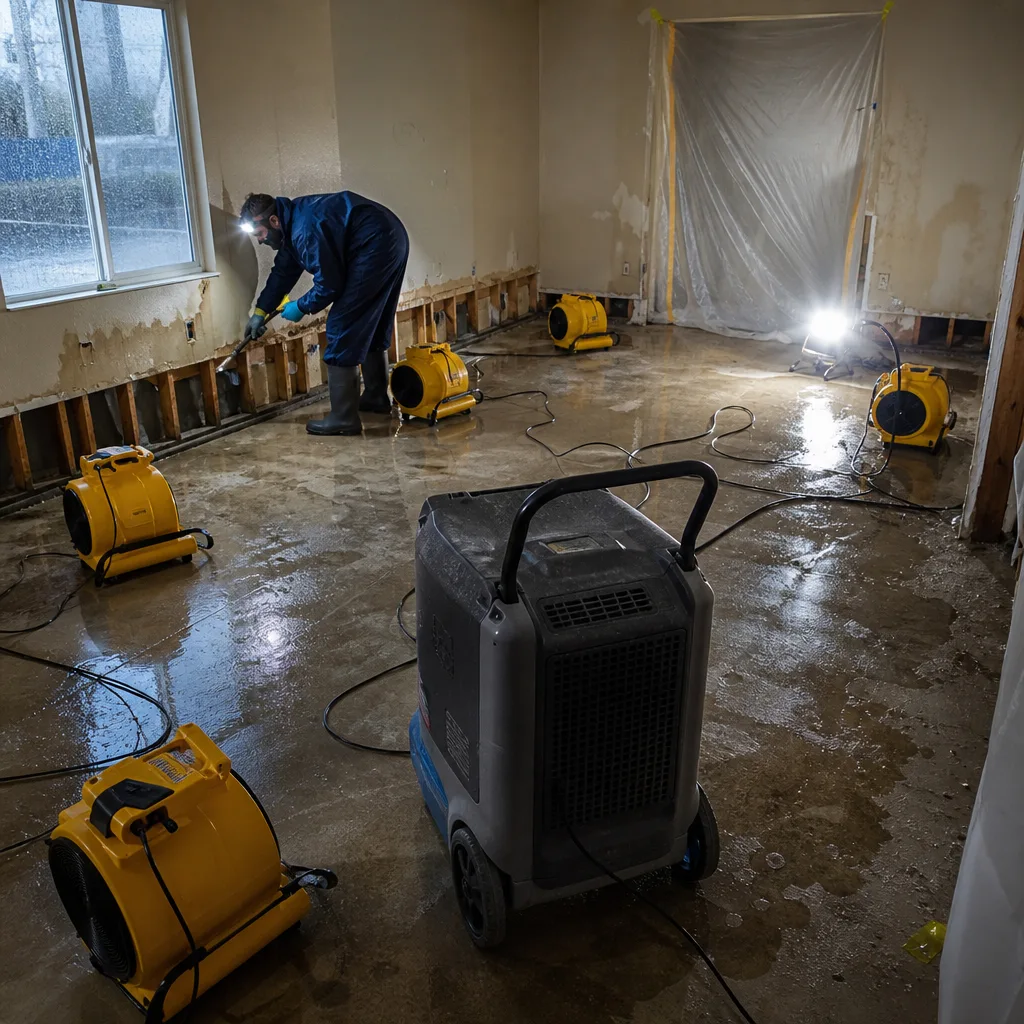
Emergency Water Extraction
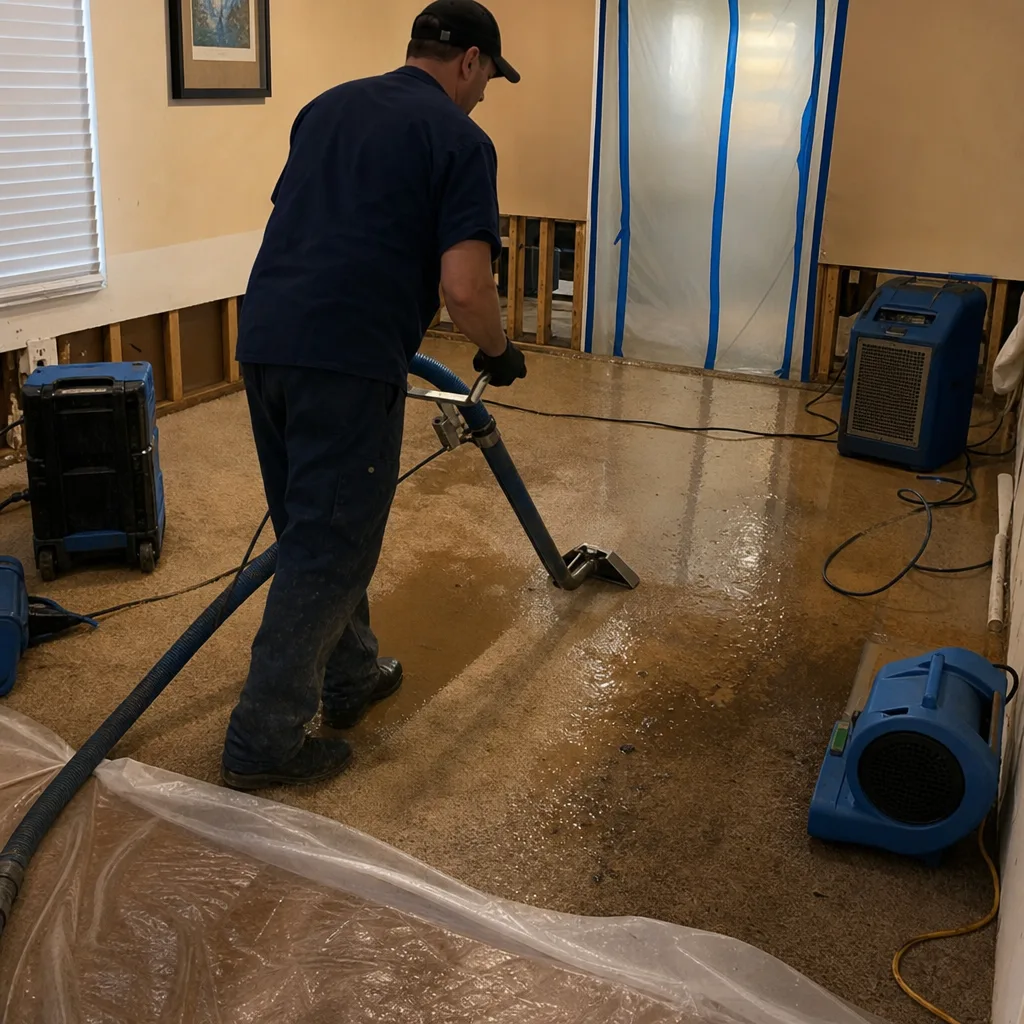
When a supply line bursts in a kitchen off Espola Road or a water heater fails in a garage near Lake Poway, standing water begins migrating into subfloors within minutes. Our extraction units remove bulk water from carpet, tile, and concrete substrates using weighted vacuum systems and submersible pumps. On Poway’s larger rural properties, we deploy multiple extraction teams simultaneously - one for the main residence, one for detached workshops or guest quarters - so moisture does not sit while crews shuttle equipment between structures.
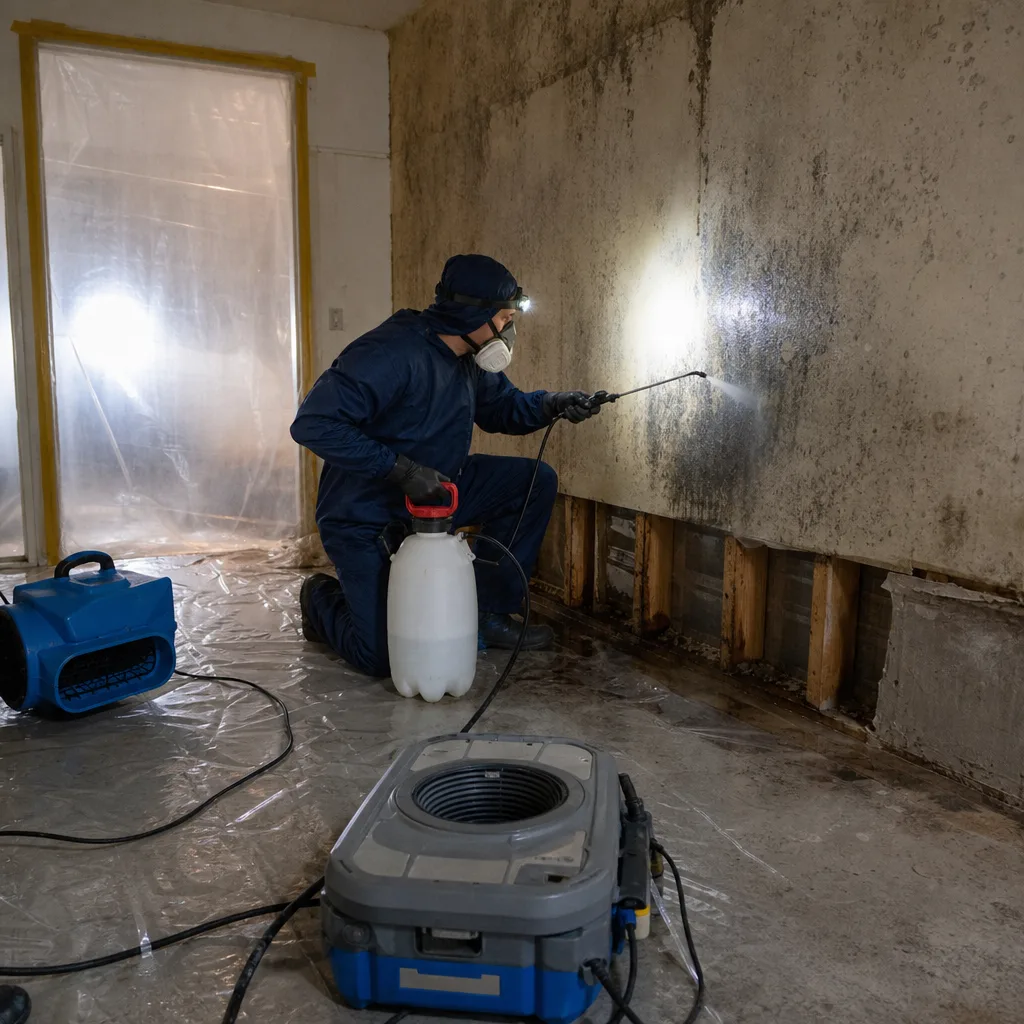
Structural Drying & Dehumidification
Poway’s inland valley position creates a specific drying challenge. Santa Ana wind events drive extreme temperature swings, and post-fire hydrophobic soil changes how groundwater behaves around foundations. We establish vapor pressure differentials using Phoenix and B-Air dehumidifiers sized to the cubic footage of affected space, not guesswork. Daily psychrometric data - temperature, relative humidity, and specific humidity readings - goes into your drying log, the document that turns your restoration invoice into a payable insurance claim. Tertiary drying, the final phase where hidden moisture is drawn from dense materials like engineered joists and tile beds, is documented separately so adjusters see when the structure actually reached dry standard, not just when equipment was picked up.
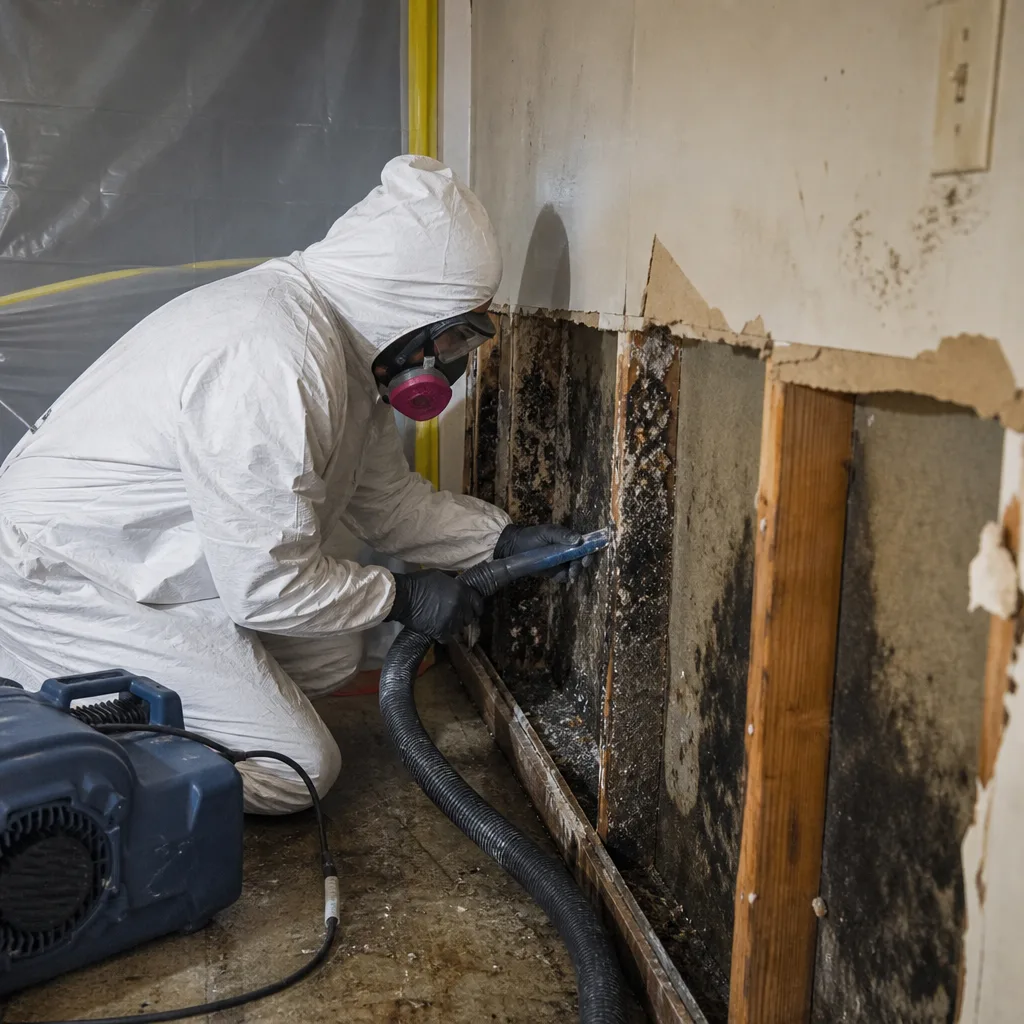
Flood Cleanup
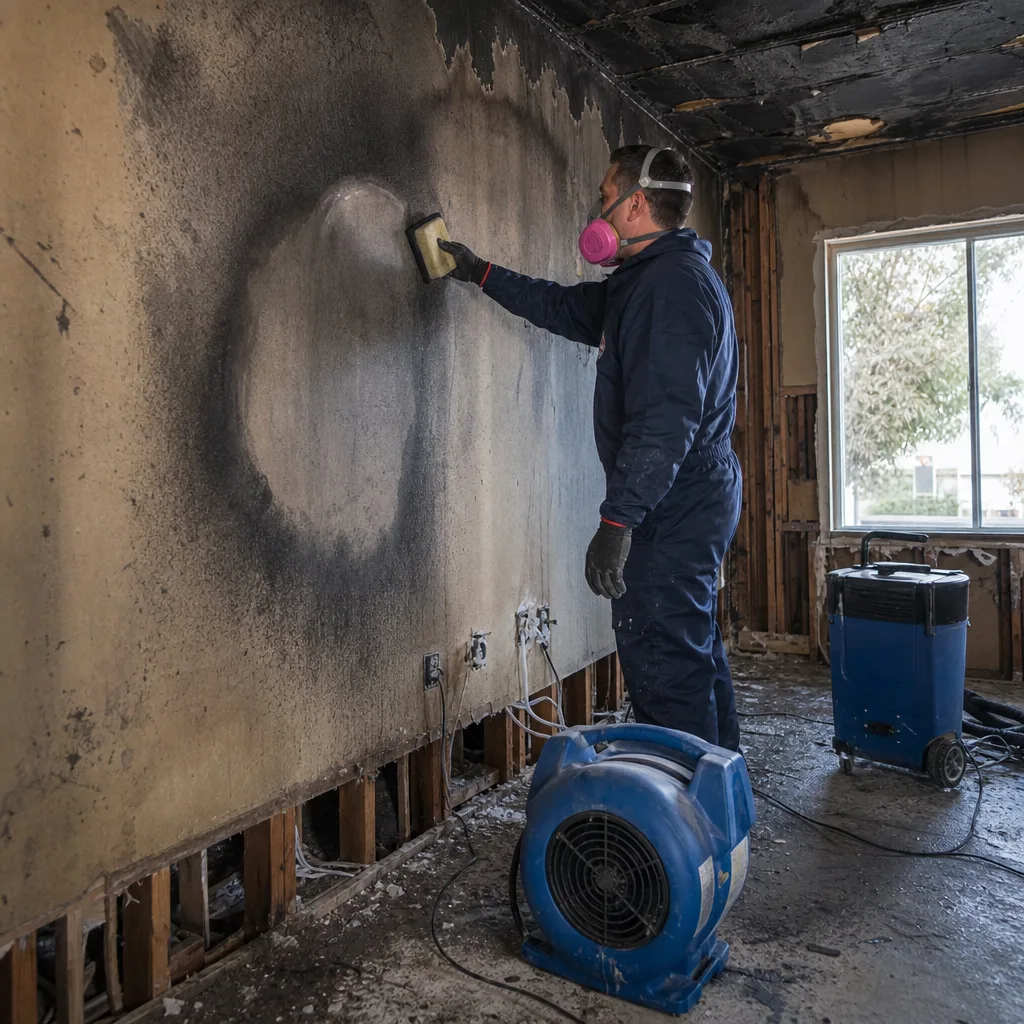
Flood damage in Poway carries a specific contamination profile. Post-fire debris flows from chaparral slopes introduce silt, ash, and organic matter into crawlspaces and foundations. This is Category 3 water - grossly contaminated, requiring antimicrobial treatment and controlled demolition of porous materials. We scope flood cleanup differently here than in coastal communities: HVAC inspection is mandatory, not optional, because Santa Ana-driven soot infiltrates ductwork across entire tracts even when flames never touched the structure. Skip that step and odor resurfaces months later, turning a covered water claim into a disputed secondary damage fight with your carrier.
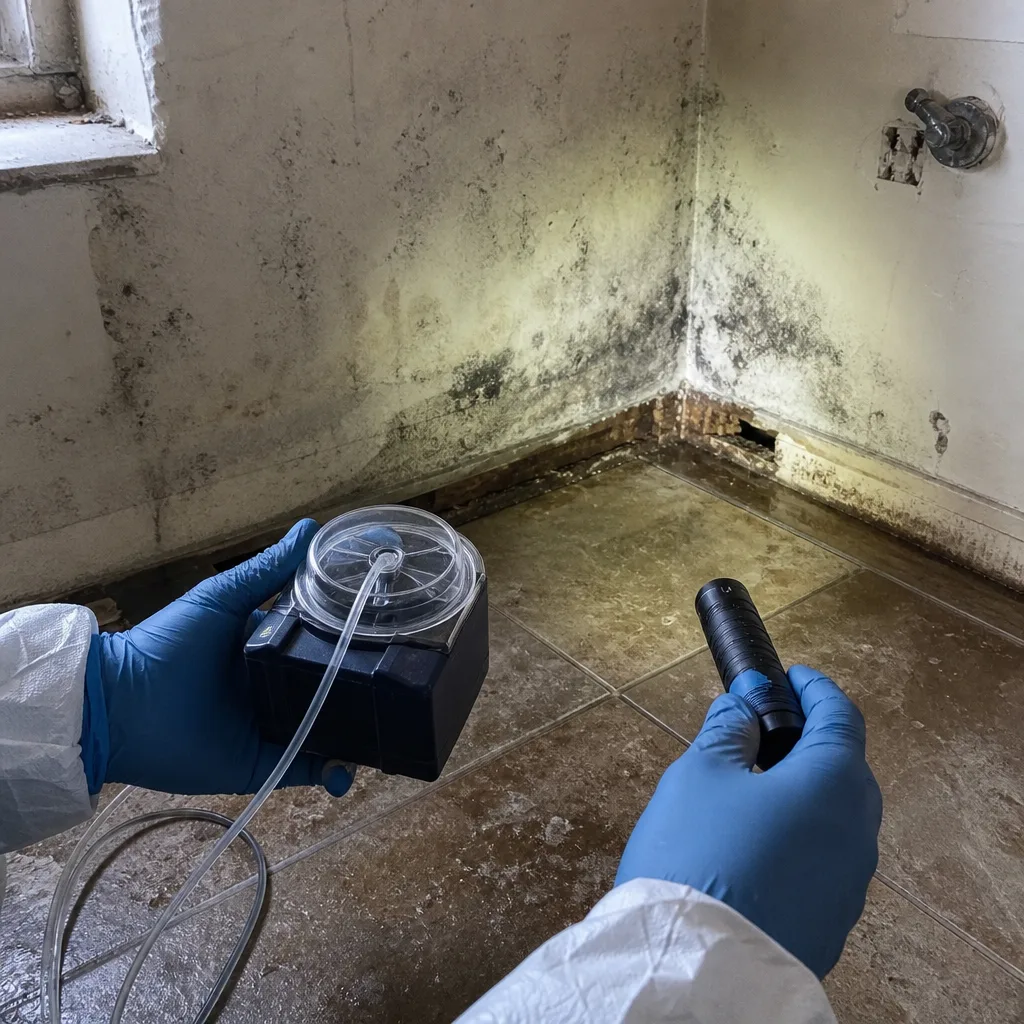
Burst Pipe Restoration
Poway’s patchwork housing stock complicates burst pipe jobs. A 1978 wood-frame ranch on Morning Mist Drive has different wall cavities, different insulation profiles, and different moisture pathways than a 2010 post-Cedar Fire rebuild on the same block. Our scopes account for this. We map moisture behind stucco versus siding, identify whether assemblies are balloon-framed or platform-framed, and document the difference in your written price before demolition starts. No scope-creep additions once the crew is inside. Haven Standard, Clause 1.
What happens when you call
- 1
A real person answersNo phone trees - you reach a local pro.
- 2
You get an upfront price rangeHonest numbers before anyone is dispatched.
- 3
A background-checked tech heads outLicensed & insured, dispatched right away.
- 4
You approve before work beginsNothing starts until you say go.
BeforeAfterTrusted Brands We Service in Poway
Our equipment inventory is built for Poway’s property types. Dri-Eaz and Phoenix dehumidifiers handle the moisture loads of larger square footage common in Poway’s acreage properties. Injectidry systems dry inside wall cavities without full demolition, critical for matching materials in neighborhoods where post-fire rebuilds sit beside original construction. B-Air air movers provide the airflow volume needed for open-concept ranch plans with vaulted ceilings. We stock replacement components locally so drying plans are not delayed by equipment shortages. Every machine is logged by serial number in your job file, with runtime hours documented for adjuster review.
Common Water Damage Restoration Problems We See in Poway Homes
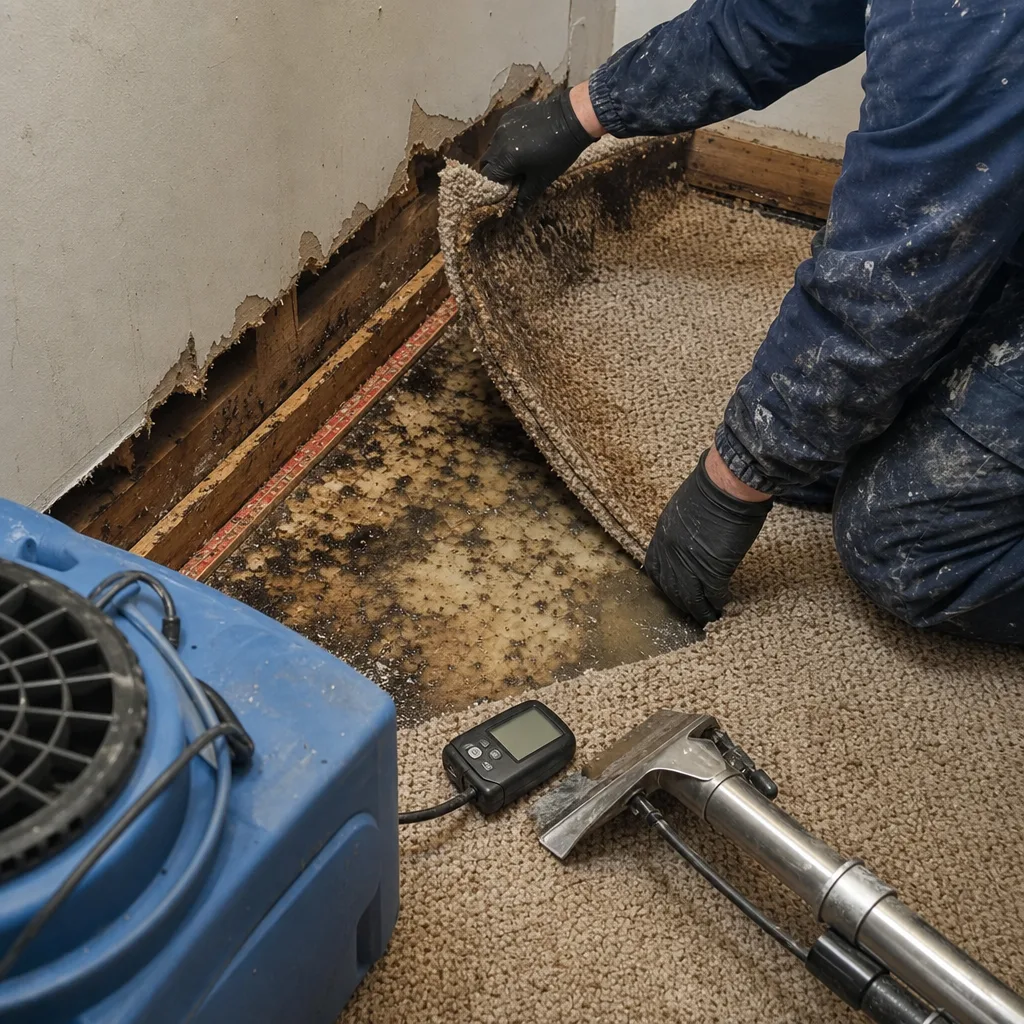
- Post-fire debris flow intrusion. After winter rains hit hydrophobic chaparral slopes, water channels into foundations and crawlspaces carrying ash and sediment. We find this pattern in homes near the Wildland-Urban Interface boundary, particularly in the Highlands and along Highland Valley Road. Moisture mapping reveals contamination that surface inspection misses.
- HVAC soot infiltration during “unaffected” water calls. Santa Ana winds drive wildfire particulate deep into ductwork across entire Poway tracts. When we arrive for a burst pipe or appliance leak, we routinely find pre-existing soot loads that compromise indoor air quality once moisture reactivates them. Our scopes include HVAC inspection as standard, not an upsell.
- Undersized drying equipment on rural acreage properties. Light-duty air movers and residential dehumidifiers cannot handle the cubic footage of detached workshops, barn conversions, and oversized garages common on Poway’s larger lots. Underpowered equipment extends drying time, and mold colonization begins in 24 to 48 hours on water-damaged cellulose materials.
- Material mismatches in patchwork neighborhoods. Pre-WUI-code wood-frame homes sit beside post-Cedar Fire rebuilds with fire-resistant assemblies. Restoration scopes that treat these as identical structures produce incomplete mitigation - wrong drywall type, wrong insulation R-value, wrong vapor barrier configuration - and hidden moisture pathways persist.
Pricing for Water Damage Restoration in Poway, CA
Here is what water damage restoration costs in Poway’s market, based on jobs we have scoped and completed:
| Service | Typical Range in Poway |
|---|---|
| Emergency water extraction (up to 1,000 sq ft) | $450 - $950 |
| Structural drying & dehumidification (residential) | $2,200 - $4,800 |
| Flood cleanup (Category 3, with debris) | $3,500 - $7,200 |
| Burst pipe restoration (with limited drywall demo) | $1,800 - $4,200 |
| Basement/crawlspace water removal | $1,200 - $3,800 |
| HVAC cleaning & soot remediation (add-on) | $800 - $1,800 |
Factors that move pricing within these ranges: square footage affected, contamination category, accessibility for equipment (rural properties with long drives may require additional mobilization), and whether fire-related soot remediation is concurrent. Every job receives a written price before work begins - Haven Standard, Clause 1 - with no additions once the crew is inside. Bring a competitor’s written estimate and we will review it at no charge. Call (760) 691-2950 for your exact quote.
We Also Serve Cities Near Poway
Our crews respond throughout inland North County, including Water Damage Restoration in Poway and surrounding communities: Santee to the south, Escondido to the north, Lakeside to the east, and Ramona in the foothills beyond. Dispatch and scheduling are coordinated from our San Diego office; crews serve each city locally with the same documentation standards and equipment inventory.
Serving Poway, CA - Our Local Coverage Area
We’re based in the Poway area and know this community well. Use the map below to see our service coverage - if you’re nearby, we can almost certainly help.
FAQs - Water Damage Restoration in Poway
Poway’s position in the Wildland-Urban Interface creates a two-phase damage cycle that is rare in coastal San Diego. Santa Ana winds drive wildfire soot and ash deep into HVAC systems and attics across entire neighborhoods, even miles from active flames. Then winter rains hit the denuded, hydrophobic chaparral slopes, channeling debris-laden runoff into foundations and crawlspaces. Restoration crews must address both contamination types - soot infiltration and water intrusion - or odor and moisture problems resurface months later. Call (760) 691-2950 for a scope that covers both phases.
Mold colonization begins on water-damaged cellulose materials within 24 to 48 hours in Poway’s climate, and the inland valley’s temperature swings can accelerate spore activation. Our emergency extraction teams aim to remove standing water within hours of your call, and structural drying equipment is sized to achieve dry standard before that window closes. The daily moisture log documents progress so your adjuster sees prevention, not just response. Call (760) 691-2950 for immediate dispatch.
Category 1 is clean water from a supply line - safe for limited contact, though it degrades to Category 2 within 48 hours. Category 2 is gray water with chemical or biological contamination, such as dishwasher discharge. Category 3 is black water: sewage, floodwater, or post-fire debris flow carrying silt, ash, and organic matter - the pattern we see in Poway after winter rains hit burned slopes. Category determines demolition requirements, antimicrobial treatment, and whether porous materials like carpet and drywall must be removed rather than dried. Your written scope specifies the category and the corresponding protocol before work begins.
Yes. In Poway, HVAC inspection is mandatory on every water damage job, not optional. Santa Ana-driven soot infiltrates ductwork across entire tracts regardless of whether flames touched the structure. Moisture from water damage reactivates dormant soot particles, causing odor recurrence months after the initial claim is closed. Our crews document HVAC condition with photo evidence and include cleaning scope in the written price when indicated. Skipping this step is the single most common cause of callbacks in Poway’s hillside neighborhoods.
Yes. Poway’s acreage properties - detached workshops, barn conversions, guest quarters on the same parcel - require equipment scaled to larger moisture loads and multiple simultaneous work zones. We deploy additional extraction teams and industrial-capacity Dri-Eaz and Phoenix systems to match cubic footage, not apply residential-sized equipment to commercial-scale spaces. The written scope addresses each structure separately for adjuster clarity. Call (760) 691-2950 to schedule assessment for your property.
After the 2007 Witch Creek Fire, our crew was called to a ranch home on Highland Valley Road where the homeowner reported musty odors and unexplained moisture. We performed moisture mapping and found elevated moisture readings in the crawlspace from post-fire debris-flow intrusion, plus soot contamination in the HVAC ductwork. We extracted standing water, applied antimicrobial treatment, set up containment with air movers and a Dri-Eaz dehumidifier for structural drying, and completed a full HVAC cleaning - resolving both the water intrusion and the lingering smoke odor in one trip.
Written by Alicia Brennan, Owner at Back to Dry Restoration, serving Poway since 2011.