
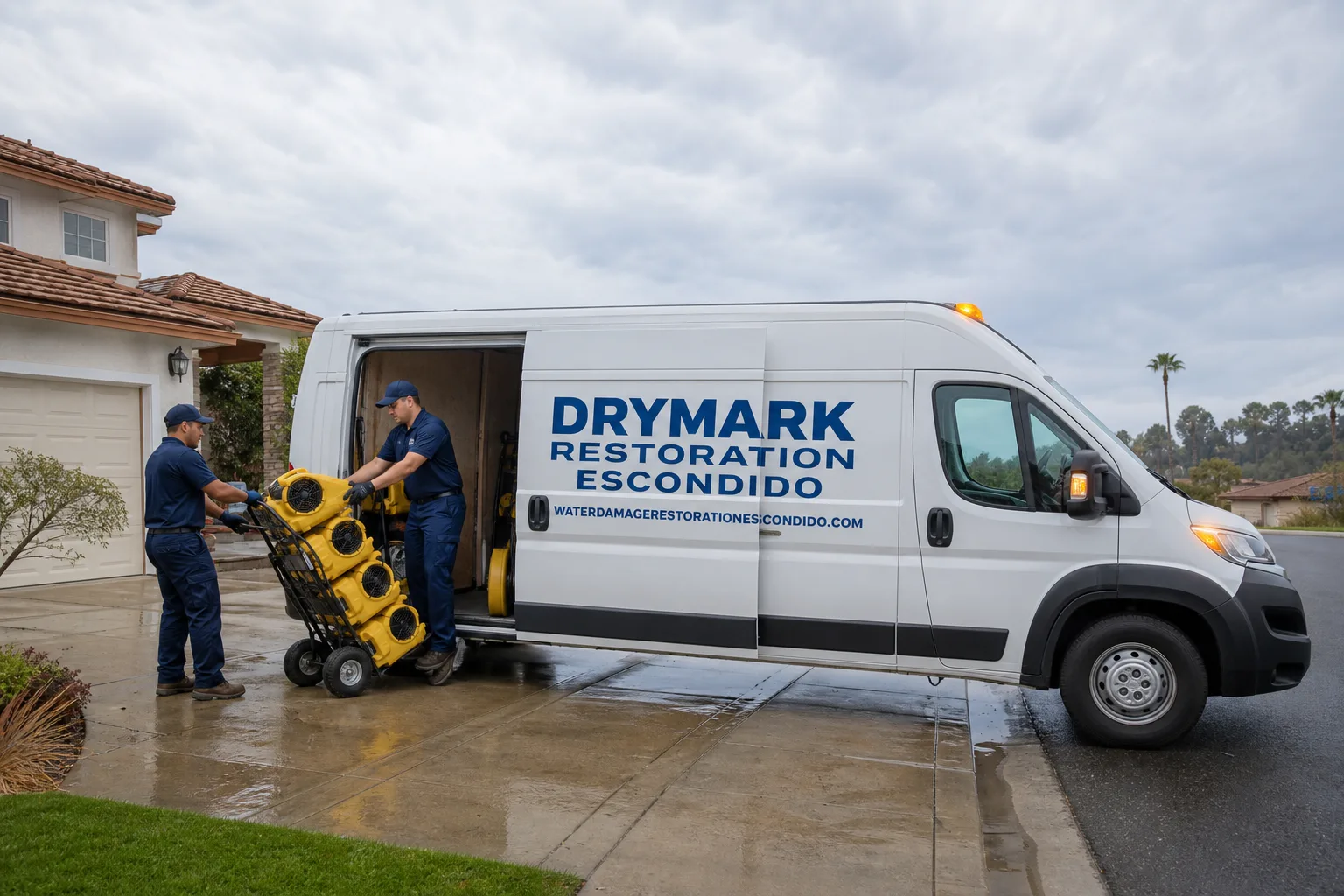
Free visual inspection and a written scope of work before any mitigation begins - photos, moisture readings, and drying logs go in your claim file
The scope we write is the scope we bill. Anything new gets shown to you, in writing, before we touch it.
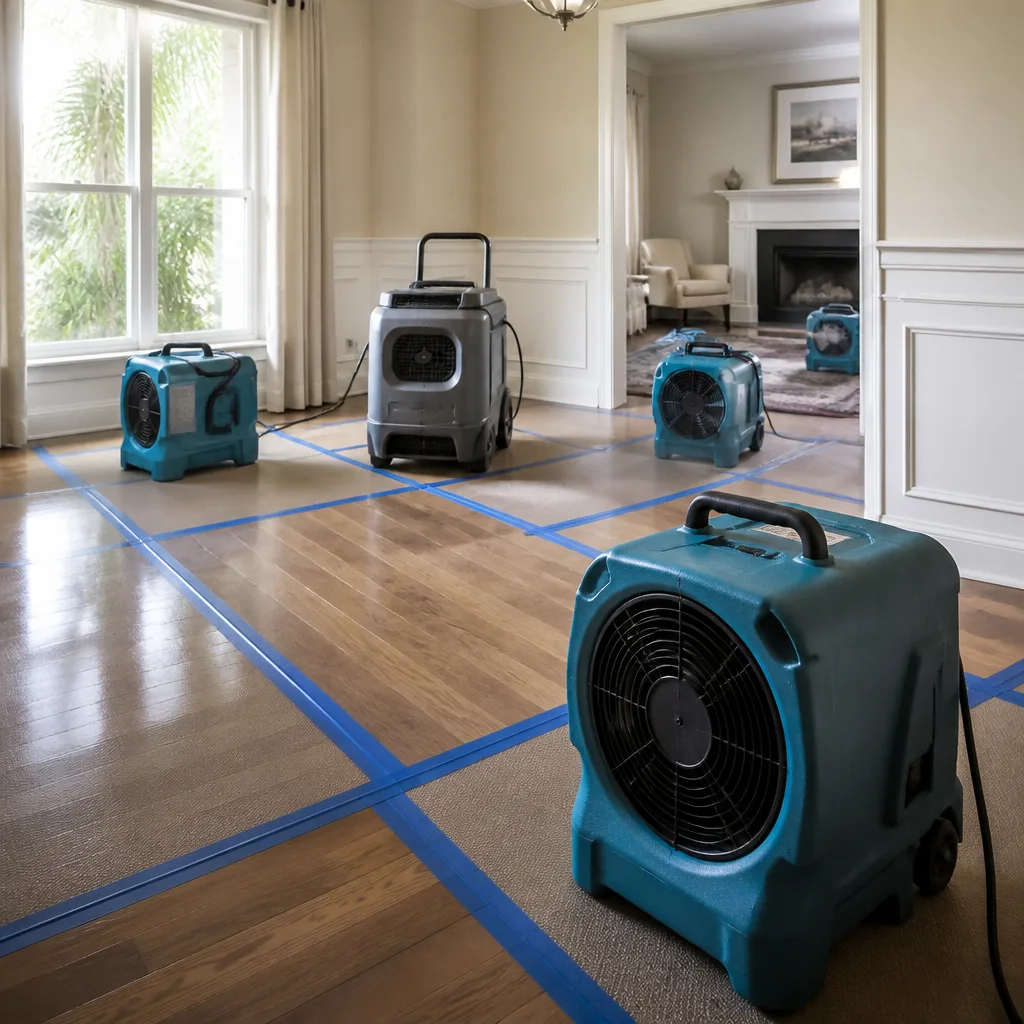
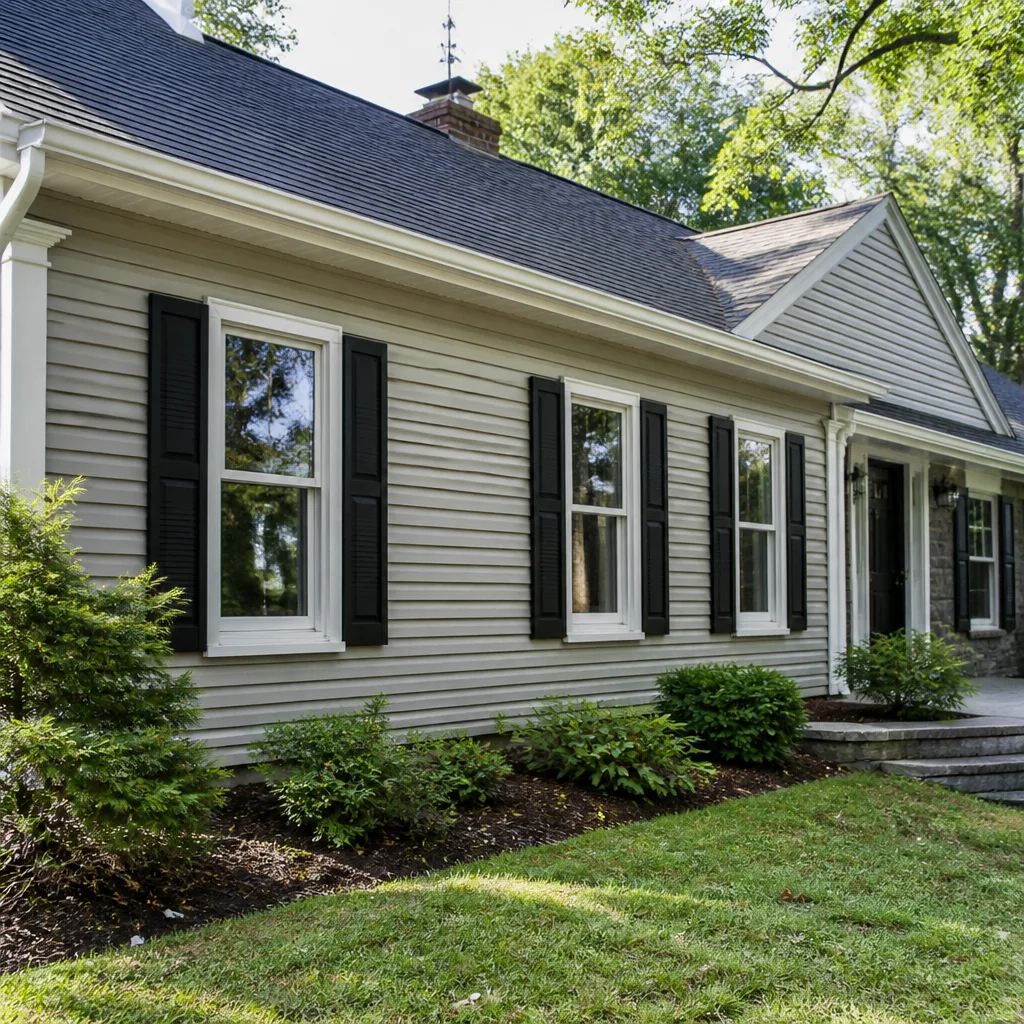
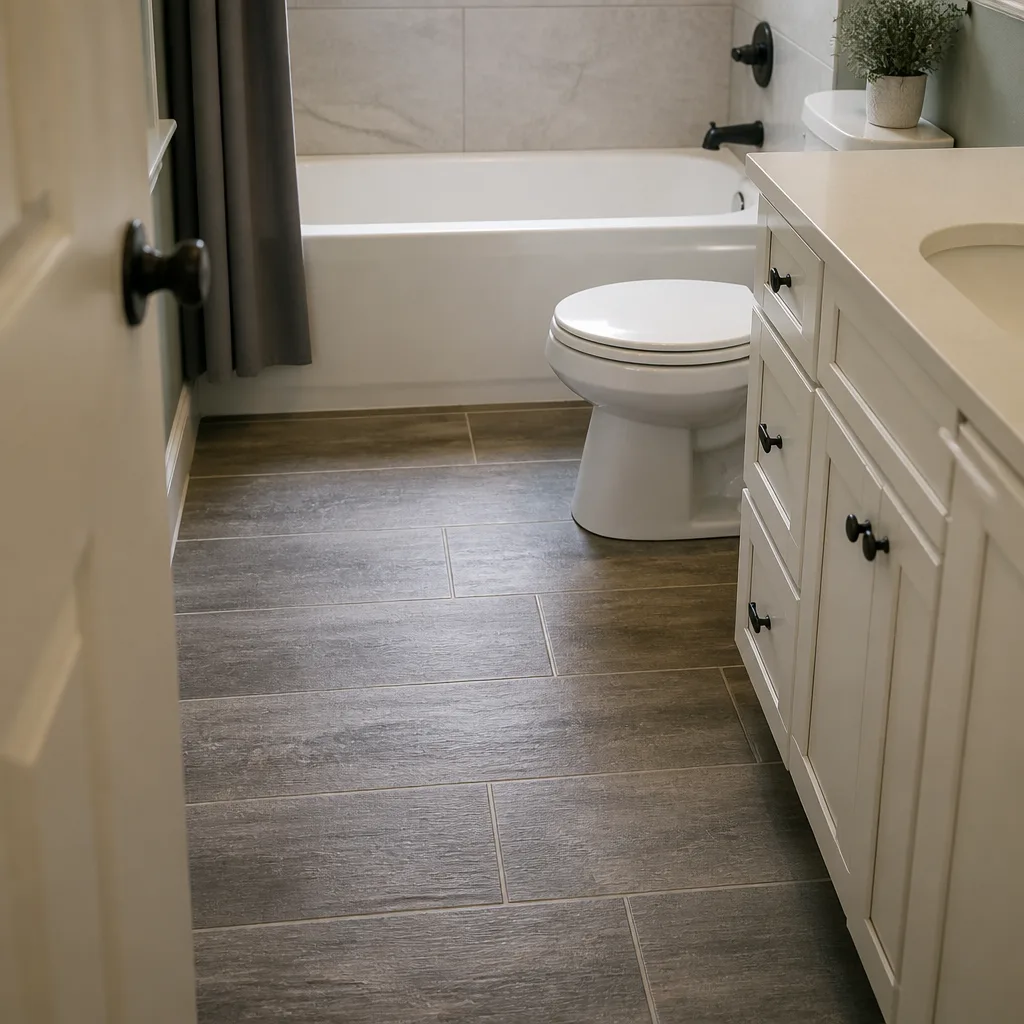

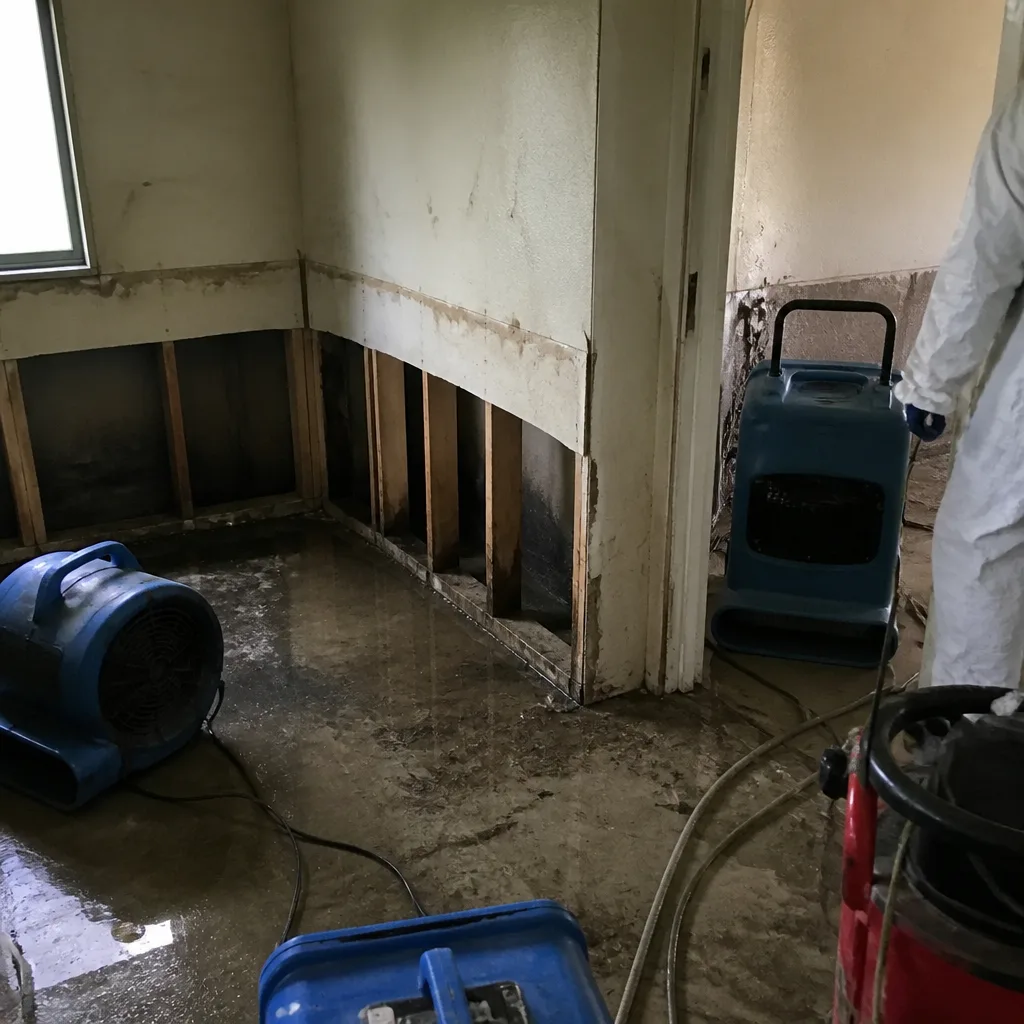 Before
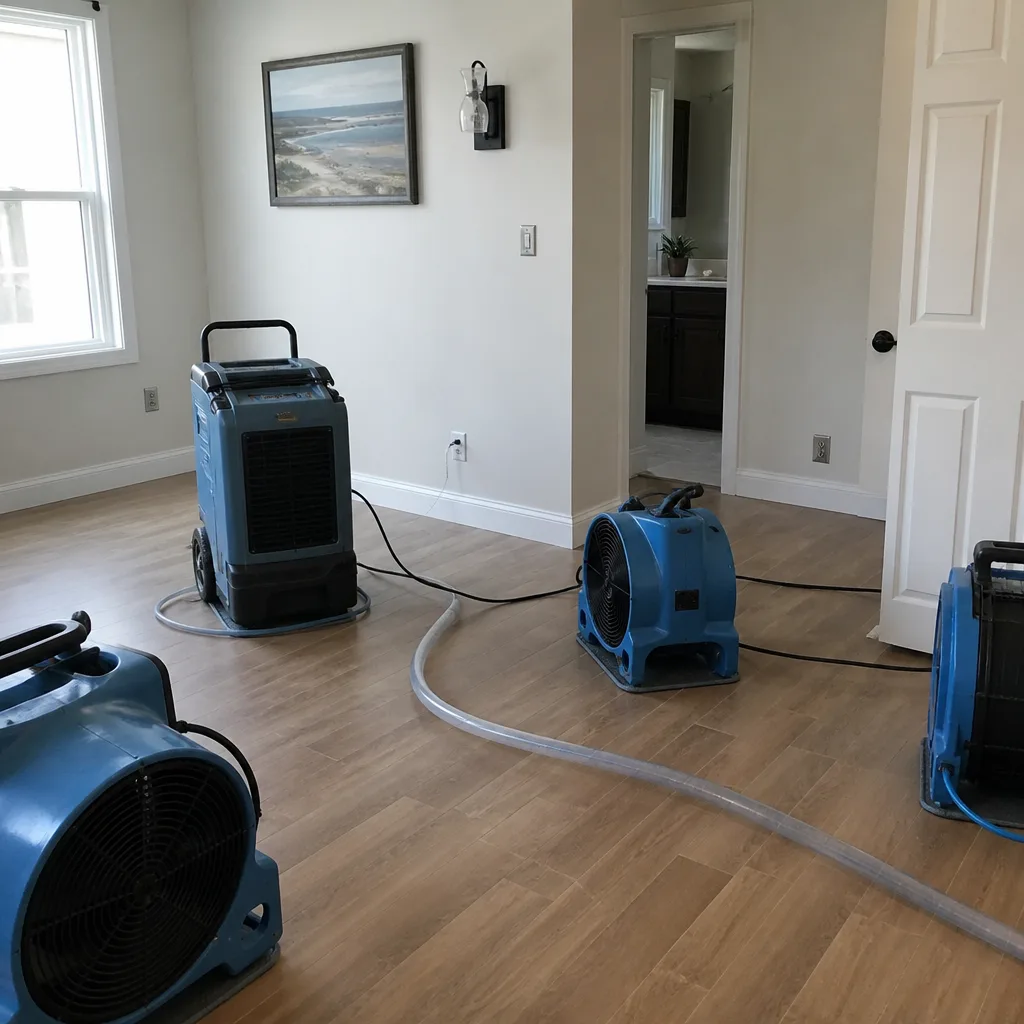 After
After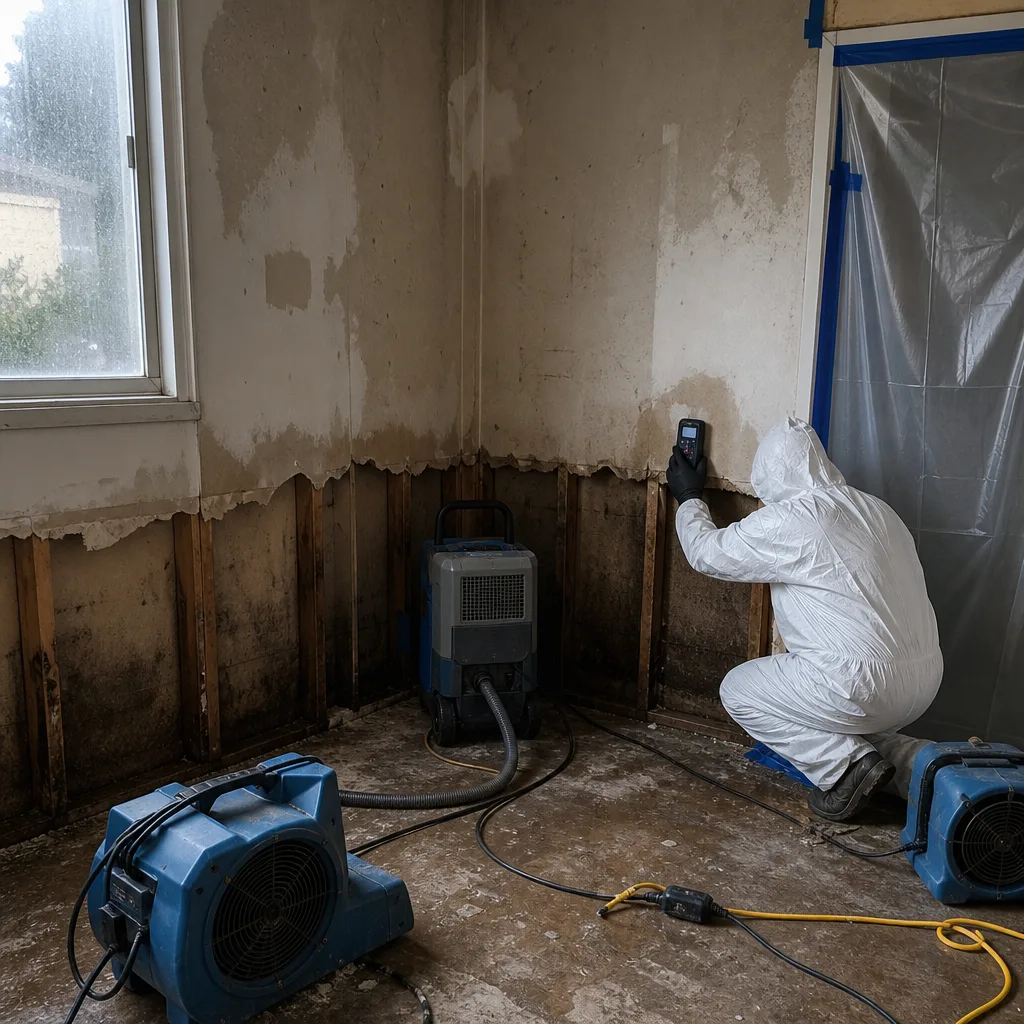 Before
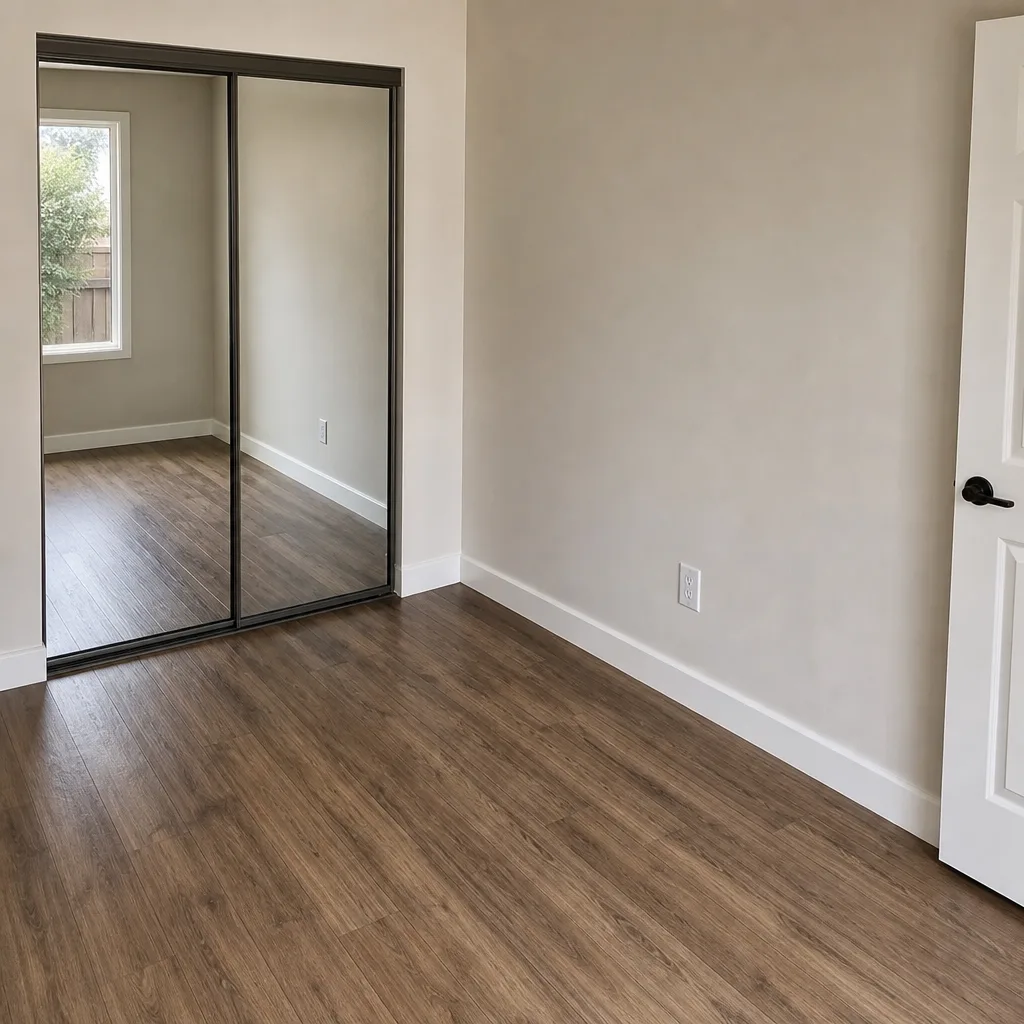 After
After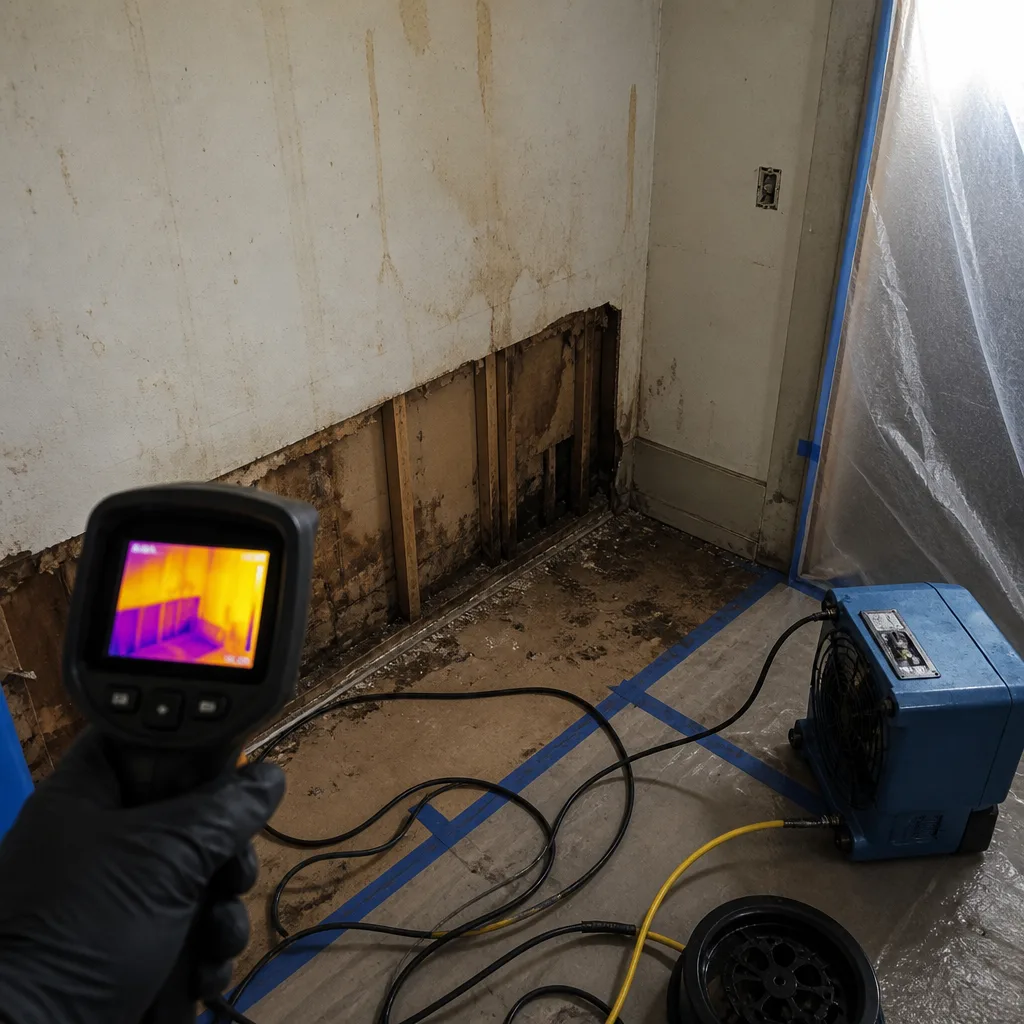 Before
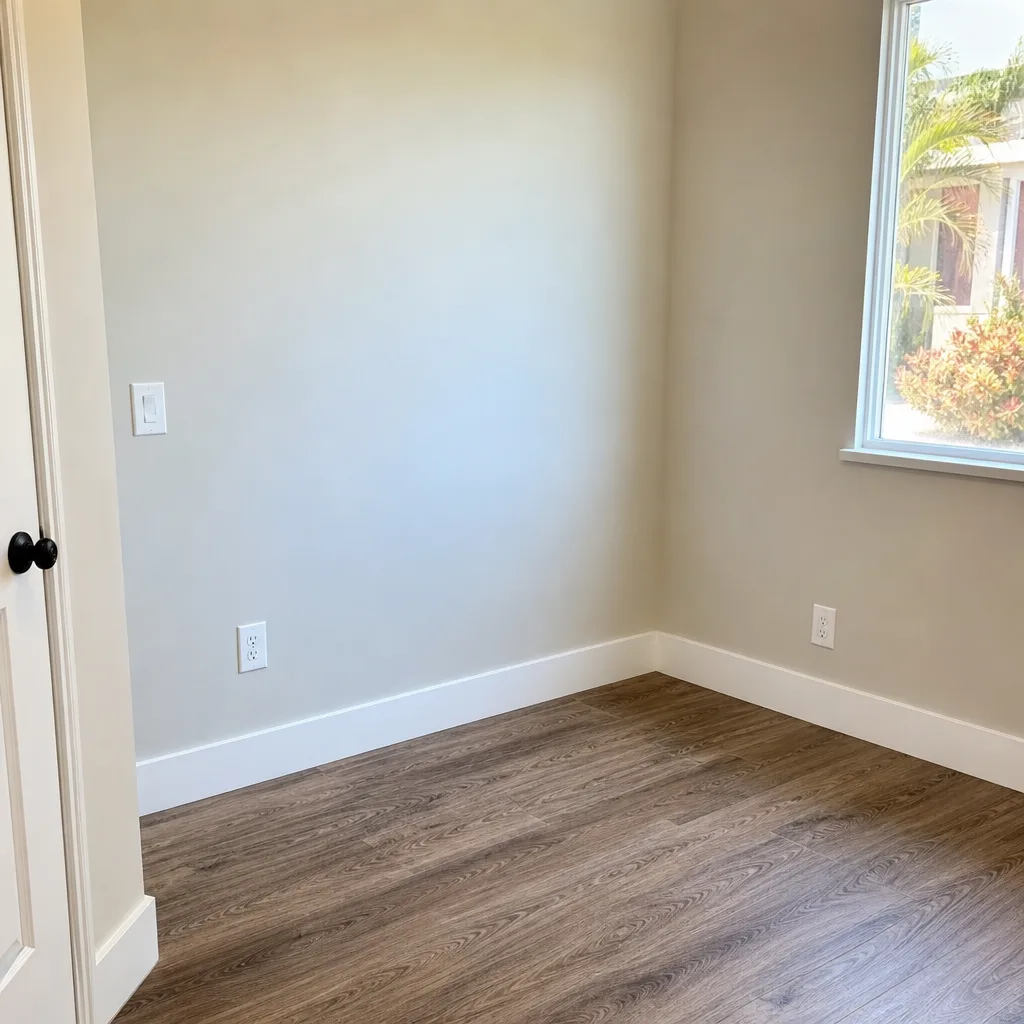 After
AfterFast, Reliable Mold Remediation Across Poway
Mold remediation in Poway typically runs $1,800-$4,500 for most residential jobs, with full crawlspace treatments reaching $6,000-$9,000 in hillside tracts affected by post-fire flooding. Our crews are dispatched from our San Diego office and can be on-site anywhere in Poway within 60-90 minutes during business hours. We know the difference between a coastal moisture problem and what happens here in this inland valley, where Santa Ana winds push wildfire soot deep into attics and ductwork, then winter rains on burned chaparral slopes send debris-laden runoff into crawlspaces that coastal cities never see.
Call (760) 691-2950 now. A live person answers, 24 hours a day, 7 days a week. No voicemail trees.
Why DryMark Restoration Escondido Is Poway’s Preferred Mold Remediation Company
We’ve restored homes in Poway since 2011, and our file cabinets hold the documentation that turned restoration invoices into paid claims for more than 12,000 homeowners. Our Mold Remediation team understands the two-phase damage cycle that hits this city: wildfire smoke infiltration first, then post-fire flash flooding when winter rains hit hydrophobic, denuded hillsides.
Poway homeowners research before they call. They read the three-star reviews. They want to see pricing, documentation standards, and proof that a crew won’t oversell them once inside. We built our company around that exact customer. Every job starts with a written price, Haven Standard, Clause 1. Every visit produces a photo record. Every technician is background-checked, uniformed, and licensed, with license numbers available on request.
Our response time to Poway averages under 90 minutes for active water or mold emergencies. For scheduled inspections, we book next-day appointments across all Poway ZIP codes. We coordinate dispatch from our San Diego office, but our crews live and work throughout inland North County, so they know Espola Road traffic patterns, the hillside tracts above Midland Road, and which 1970s ranch homes in Old Poway sit on crawlspaces that flood every January.
Alicia Brennan, who leads Back to Dry Restoration, founded this company after years as a claims adjuster watching homeowners lose disputes because their restoration contractor’s documentation wouldn’t hold up. That origin story is why we still operate this way.
Our Mold Remediation Services in Poway
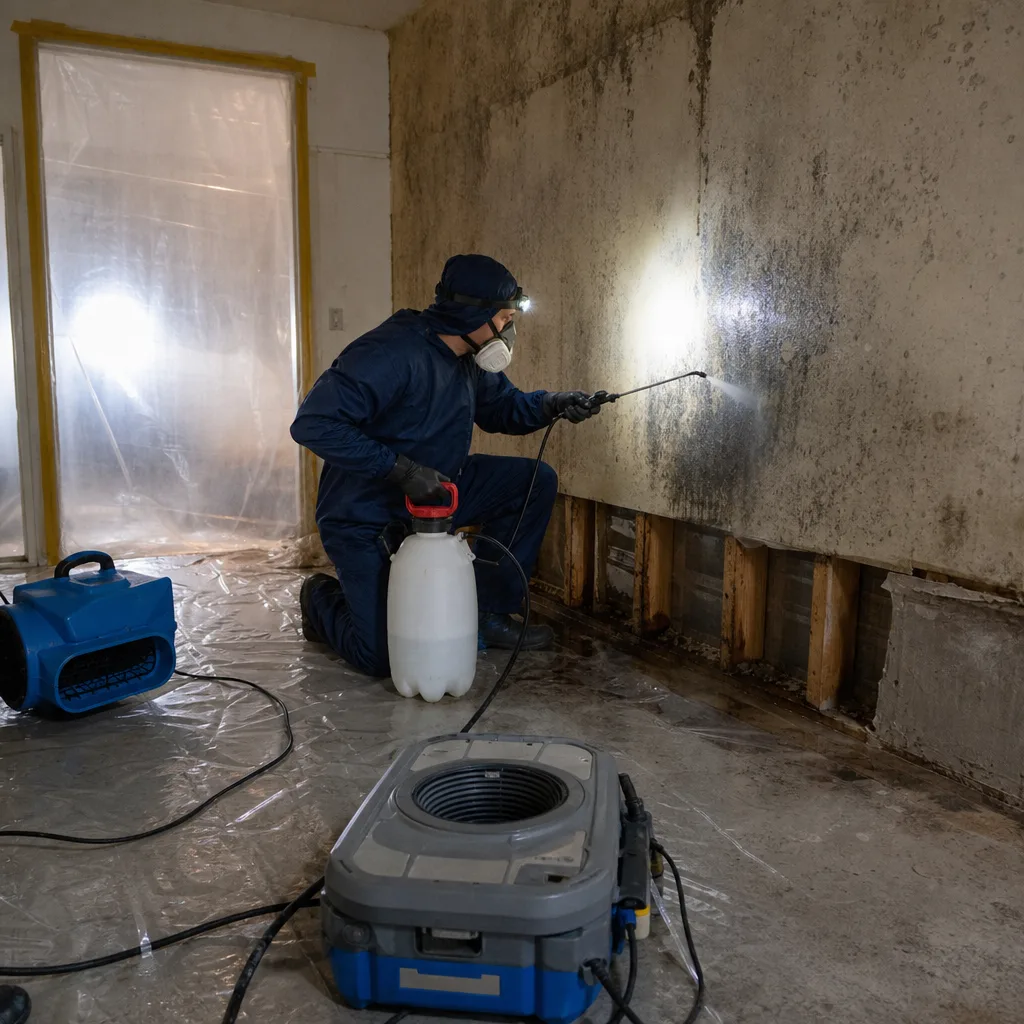
Mold Inspection & Testing
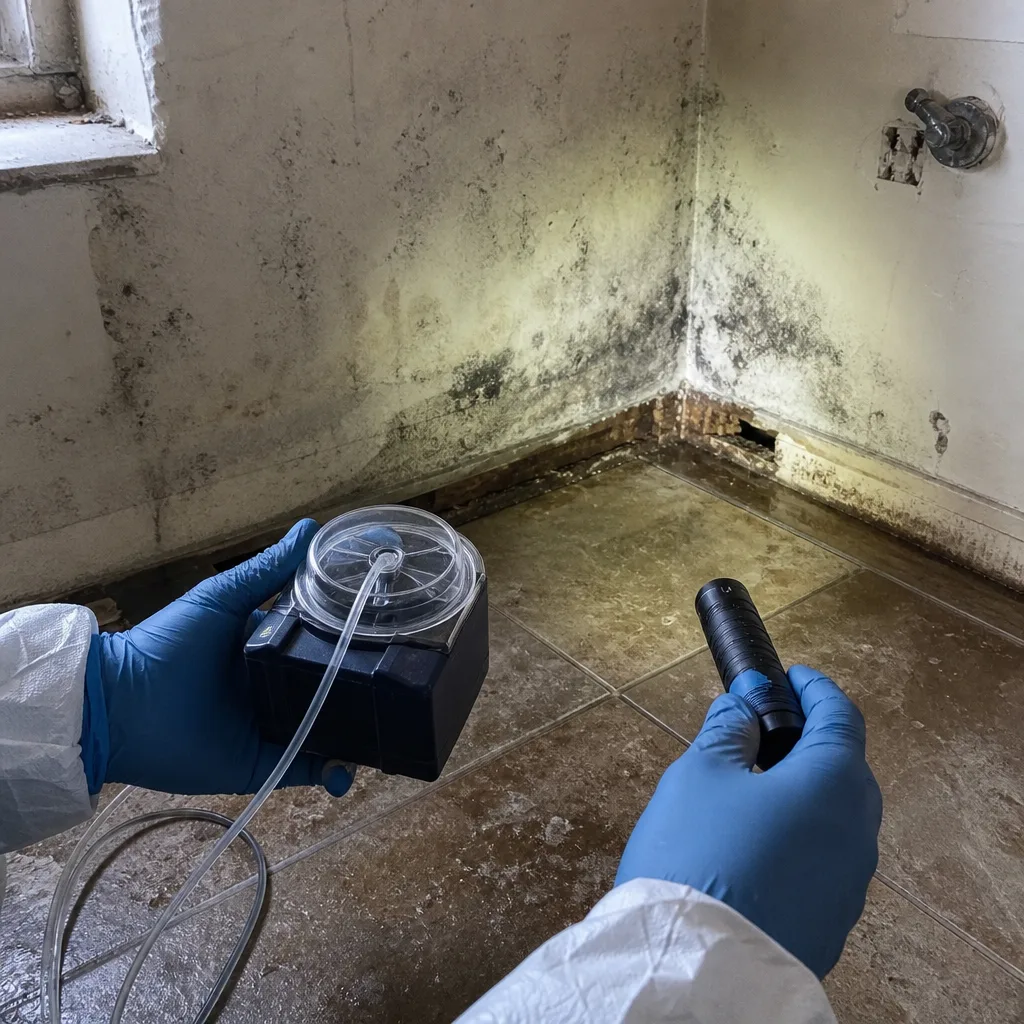
A proper mold inspection in Poway starts with understanding what brought the moisture. In this city, that’s often not a plumbing leak. After the 2003 Cedar Fire and 2007 Witch Creek Fire, winter rains on burned chaparral slopes sent debris-laden runoff into foundations and crawlspaces across hillside neighborhoods. We moisture-map the entire lower envelope, test attic spaces for Santa Ana-driven soot infiltration, and sample air quality in HVAC zones that competitors skip. Our written scope identifies the moisture source, the affected square footage, and the material classification by trade name. You get the report before we start work.
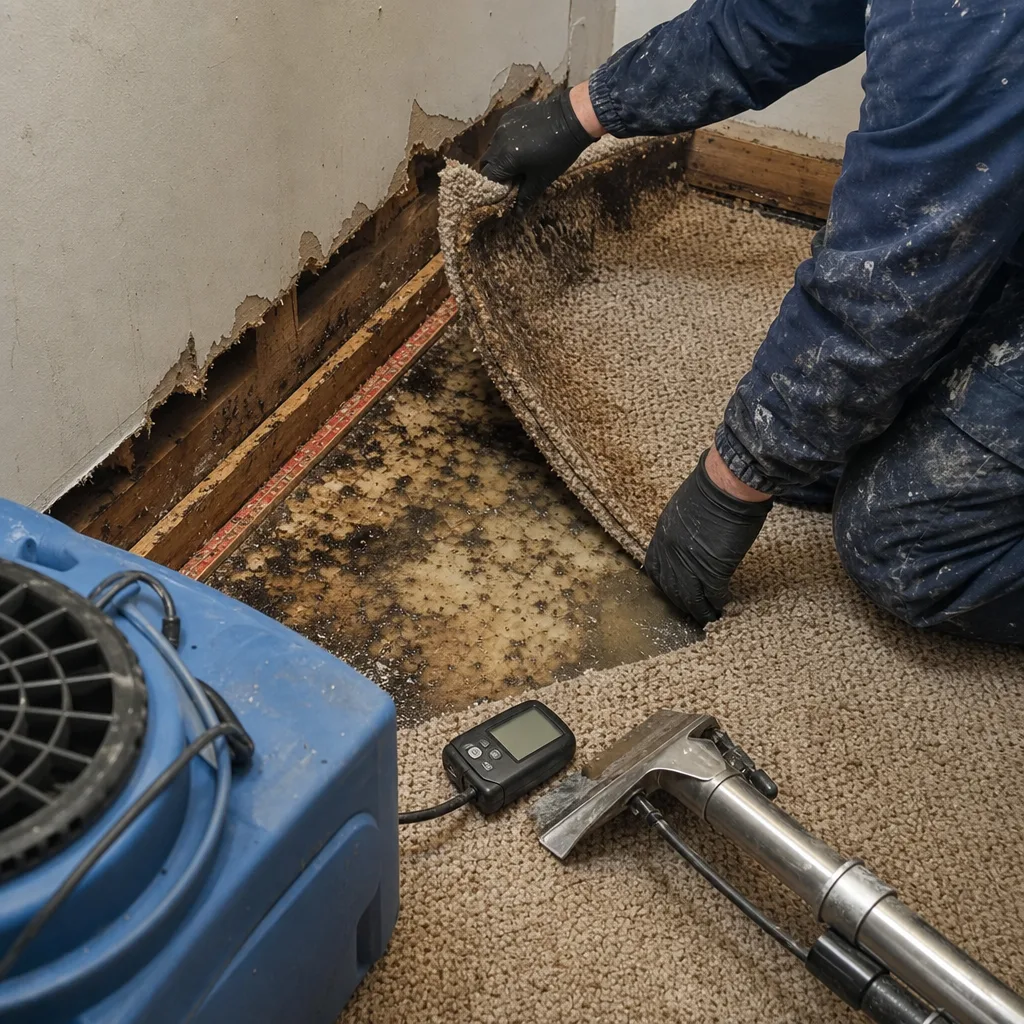
Mold Removal
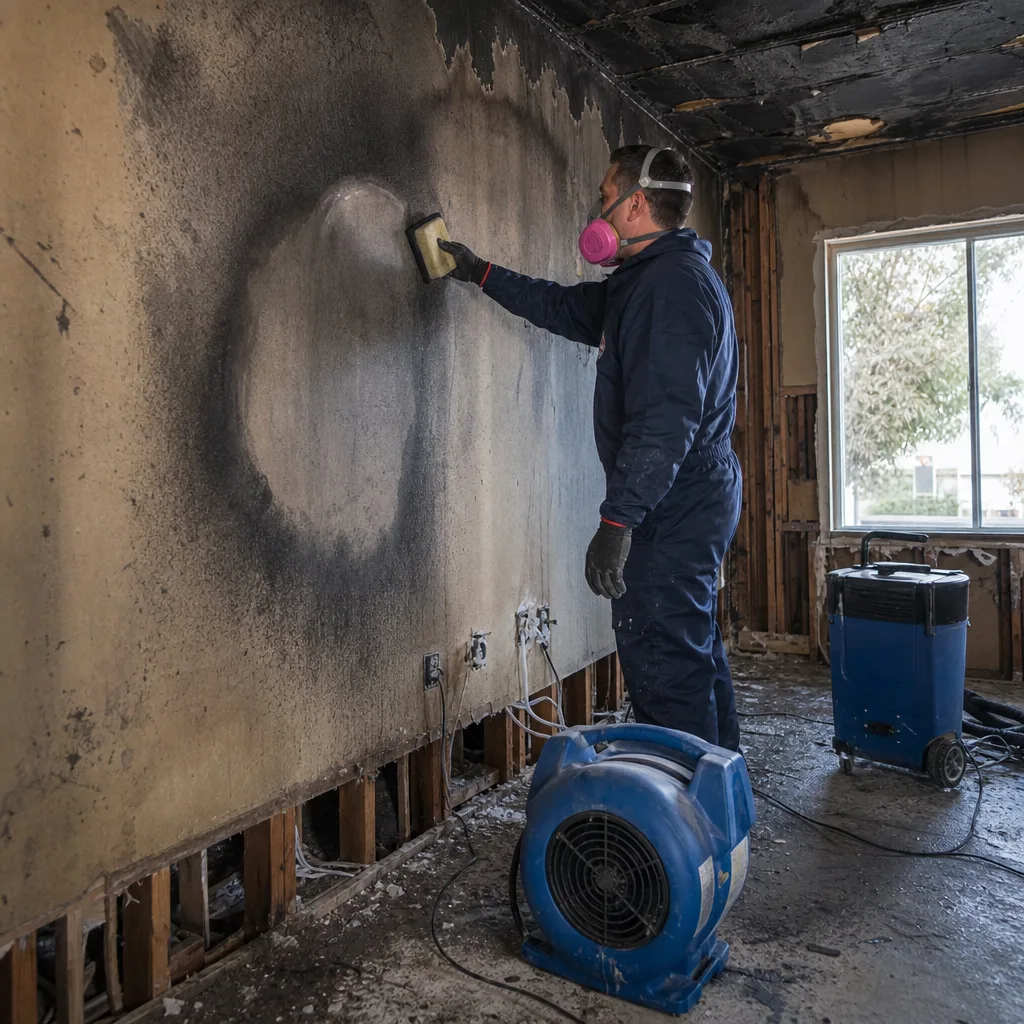
Mold removal in Poway requires containment protocols matched to the structure. Older wood-frame homes built before modern WUI codes took effect, common in neighborhoods near Community Road and throughout Old Poway, have different permeability than post-Cedar Fire rebuilds with fire-resistant sheathing. We don’t apply the same drying profile to both. Our crews use professional-grade dehumidification from Dri-Eaz and Phoenix, documented to IICRC and RIA standards, with daily moisture logs that show vapor pressure differential and tertiary drying progress in plain language. The photo record on every visit is standard, never an upsell.
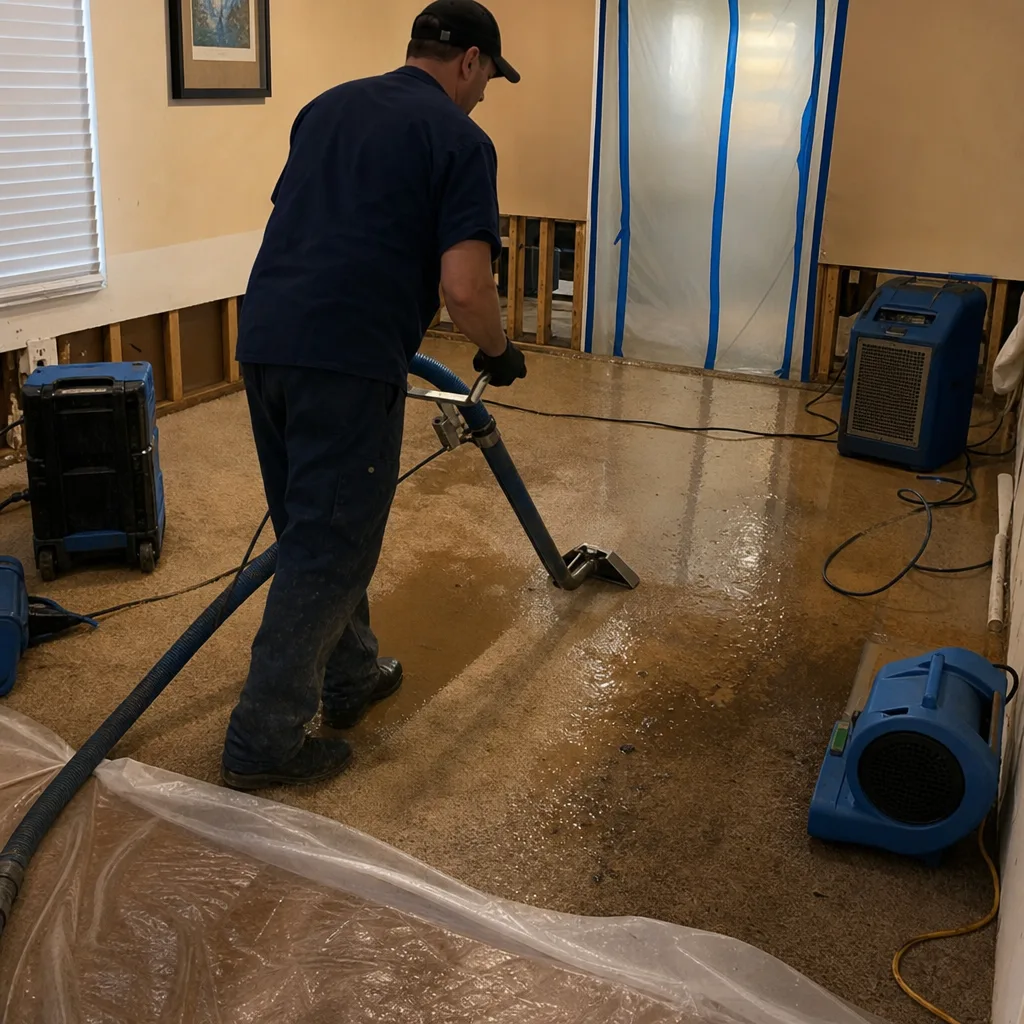
Black Mold Remediation
Stachybotrys and other toxigenic molds require HEPA containment and negative air pressure. In Poway, we see these species most often in crawlspaces that took post-fire runoff, where Category 3 water sat undetected behind vapor barriers. Our protocol: containment setup, antimicrobial treatment to structural framing, structural drying with documented readings, and clearance sampling before we remove equipment. The 365-Day Done Right Promise applies, Haven Standard, Clause 7. If it’s not done right, we make it right.
Air Quality Restoration
Air quality restoration is where Poway’s unique fire-then-flood pattern matters most. Santa Ana winds drive smoke and ash into HVAC systems of homes miles from any active fire perimeter. Skipping duct inspection on “unaffected” houses leads to callbacks when odor resurfaces months later, often with mold spores that found moisture in the ash-laden duct lining. We inspect and clean ductwork, replace contaminated insulation, and verify with post-remediation air sampling. This is not a surface wipe. It’s a systems-level restoration.
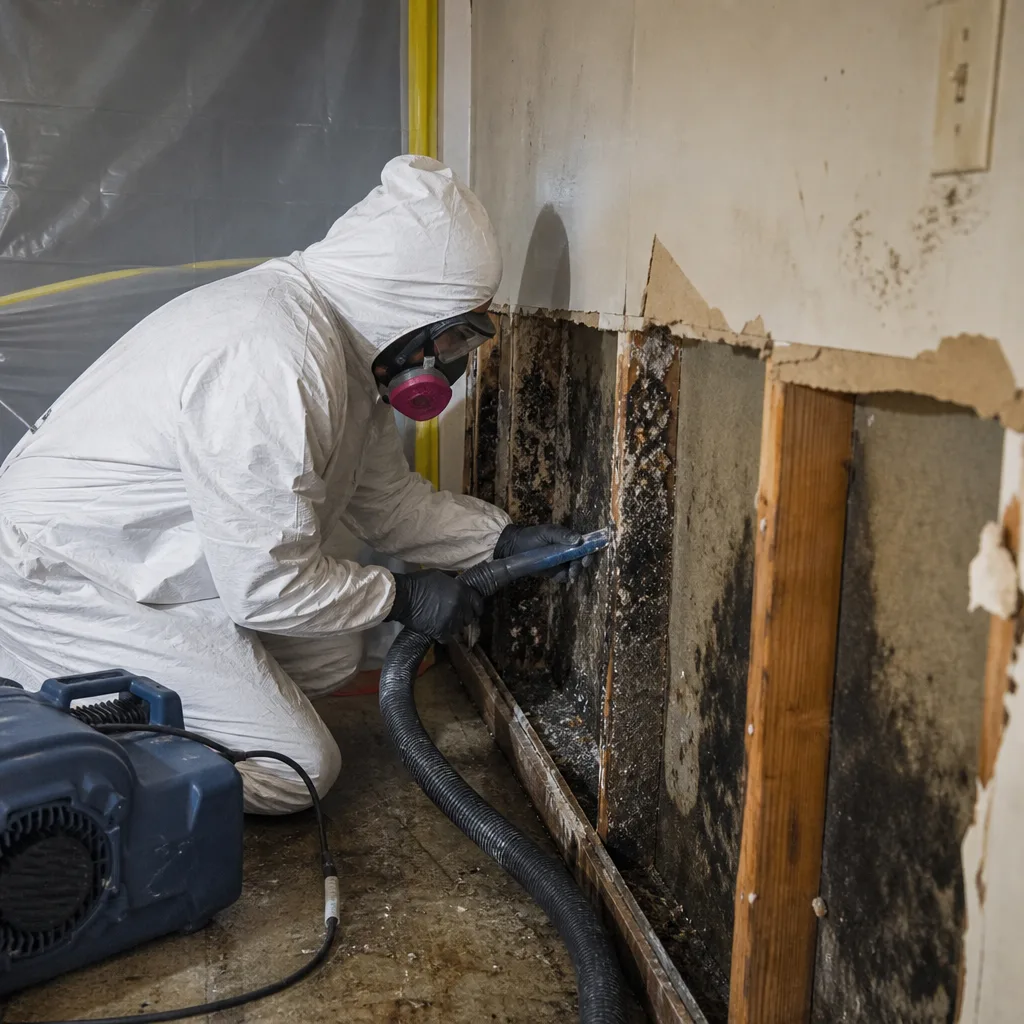
Crawl Space Treatment
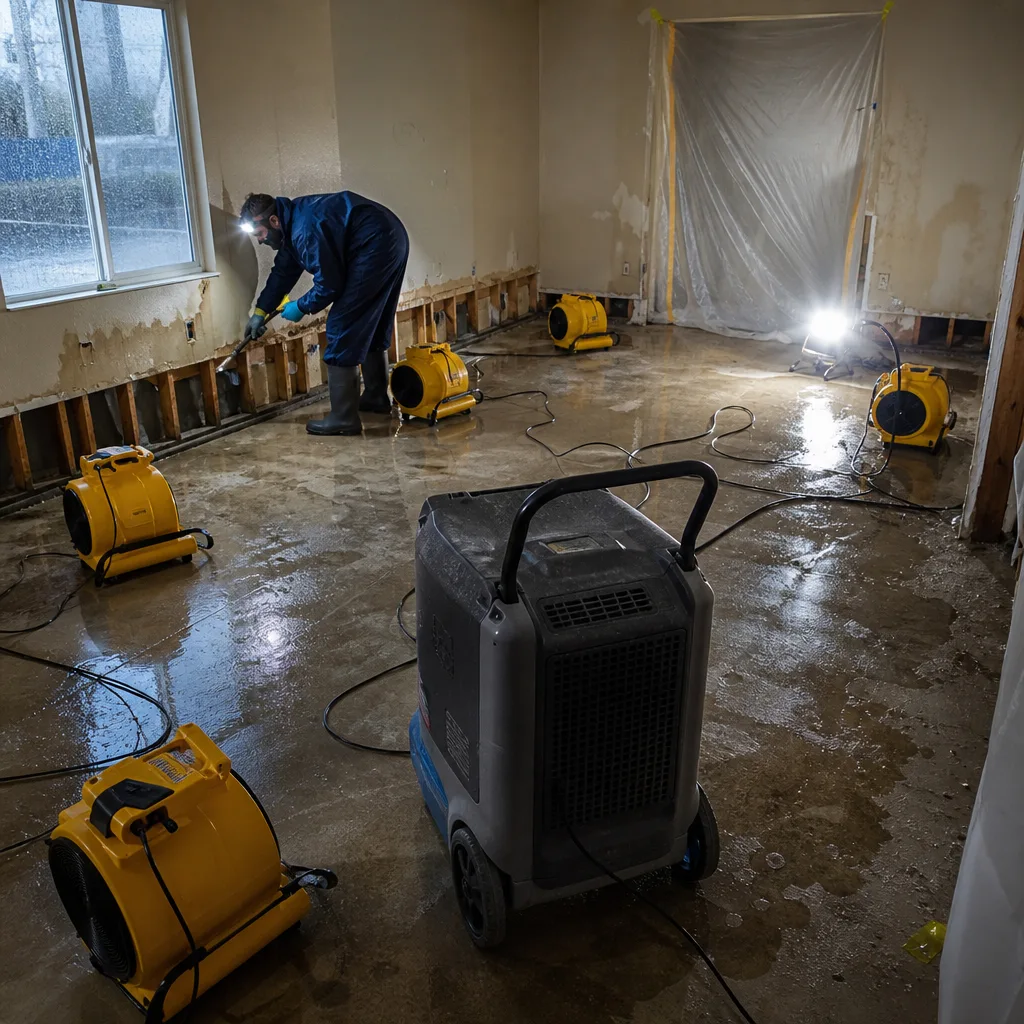
Crawl space treatment in Poway’s hillside tracts addresses what happens after the first winter rain hits burned chaparral. The slopes shed water rapidly, channeling debris-laden runoff into residential foundations. We remove contaminated vapor barriers, treat joists and subflooring with antimicrobial agents, install new moisture barriers, and set up permanent humidity control. Moisture readings are logged daily until wood returns to pre-loss condition. No guesswork. No premature equipment removal.
Moisture & Humidity Control
Poway’s inland valley position creates wider temperature swings than coastal San Diego, which means condensation cycles in attics and crawlspaces that coastal homes don’t experience. We install permanent dehumidification and ventilation systems sized to your specific cubic footage, with psychrometric data that shows why the equipment was specified. You get the calculation, not just the invoice.
What happens when you call
- 1
A real person answersNo phone trees - you reach a local pro.
- 2
You get an upfront price rangeHonest numbers before anyone is dispatched.
- 3
A background-checked tech heads outLicensed & insured, dispatched right away.
- 4
You approve before work beginsNothing starts until you say go.
BeforeAfterTrusted Brands We Service in Poway
Our equipment inventory includes professional-grade drying systems from Dri-Eaz, Phoenix, XPOWER, B-Air, and Injectidry. For Poway homeowners, this means we don’t wait for rental availability during peak demand after a fire season or winter storm. Our Injectidry systems handle the hard-to-reach cavities in older ranch homes with balloon framing or irregular crawlspaces. All work is documented to IICRC, RIA, and IFA standards. The daily drying logs we produce are the same documentation that turns restoration invoices into payable insurance claims.
Common Mold Remediation Problems We See in Poway Homes
- Smoke odor treated as surface-only, HVAC skipped. After wildfire season, we find mold growing in ductwork that never got inspected because the house had no flame contact. Santa Ana winds push soot deep into attic and HVAC spaces. When winter rains raise humidity, that soot becomes a mold substrate.
- Mismatched drying protocols for mixed-era construction. Poway’s patchwork of pre-WUI-code 1970s wood-frame homes and newer fire-resistant rebuilds means identical moisture readings can indicate different actual conditions. Older framing absorbs and releases moisture on a different curve. We adjust our drying plans accordingly.
- Post-fire flash flood risk ignored in crawlspaces. Crews that don’t moisture-map the entire lower envelope after winter rains miss Category 3 water behind vapor barriers or in foundation stem walls. The debris-laden runoff from burned hillsides carries contaminants that standard clean-water protocols don’t address.
- Neighborhood-wide smoke damage treated house-by-house. In tracts off Espola Road and similar hillside areas, mold risk is tract-wide because Santa Ana infiltration is tract-wide. Remediation that doesn’t account for cross-contamination between structures through shared HVAC zones or attic ventilation patterns leads to reinfection.
Pricing for Mold Remediation in Poway, CA
These are the ranges we see in Poway’s market for work quoted under Haven Standard, Clause 1, with a written price before any work starts:
| Service | Typical Range in Poway |
|---|---|
| Mold inspection & air quality testing | $350-$650 |
| Localized mold removal (single room/area) | $1,800-$3,200 |
| Full crawlspace mold remediation | $4,500-$9,000 |
| Attic mold treatment with HVAC cleaning | $3,500-$7,500 |
| Whole-house air quality restoration | $5,000-$12,000 |
| Post-fire flood Category 3 remediation | $6,500-$15,000+ |
What moves a job toward the higher end: affected square footage above 1,000 sq ft, Category 3 water contamination requiring hazmat protocols, HVAC duct replacement, structural repairs to fire or water-damaged framing, and permanent humidity control system installation. What keeps costs controlled: early detection, accurate moisture mapping that prevents over-removal, and documentation that supports your insurance claim.
We offer a Free Second Opinion on any competitor’s written estimate. Bring their scope and we’ll review it at no charge. Estimates from our team are free and carry no obligation.
Call (760) 691-2950 for your written price.
We Also Serve Cities Near Poway
Our crews work throughout inland North County, including Poway and neighboring communities. We maintain the same documentation standards and response protocols in Santee, Escondido, Lakeside, and Ramona. Each city’s geography creates different restoration patterns, and we adjust our scopes accordingly rather than applying coastal templates to inland conditions.
Serving Poway, CA - Our Local Coverage Area
We’re based in the Poway area and know this community well. Use the map below to see our service coverage - if you’re nearby, we can almost certainly help.
FAQs - Mold Remediation in Poway
Mold can begin active growth within 24-72 hours of moisture introduction, and in Poway’s fire-then-flood cycle, that moisture often arrives with the first winter rains on hydrophobic chaparral slopes. Even without flame contact, Santa Ana winds may have loaded your attic and ductwork with soot that acts as a nutrient source when humidity rises. We recommend HVAC and attic inspection before the rainy season, not after mold becomes visible. Call (760) 691-2950 to schedule.
Post-fire flash flooding channels debris-laden runoff into foundations across entire hillside tracts, not just homes with visible water entry. The hydrophobic soil on burned slopes sheds water rapidly, concentrating flow paths into residential crawlspaces. Category 3 water, defined as grossly contaminated and potentially pathogenic, sits behind vapor barriers or in stem-wall cavities where standard visual inspection won’t find it. Moisture mapping is the only reliable detection method. Call (760) 691-2950 for crawlspace assessment.
Category 1 is clean water from a broken supply line. Category 2 is gray water with significant contamination, such as dishwasher discharge. Category 3 is black water, grossly contaminated and potentially pathogenic, including sewage backup and post-fire flood runoff that has picked up ash, debris, and soil contaminants from burned chaparral slopes. Poway’s post-fire flooding is almost always Category 3. This classification determines antimicrobial protocols, PPE requirements, and disposal regulations. We document the category in your written scope before work begins. Call (760) 691-2950 for clarification on your specific situation.
Modern WUI fire codes address ignition resistance and ember intrusion, not moisture management. Fire-resistant sheathing and sealed eaves can actually trap moisture if Santa Ana-driven soot infiltration occurs and isn’t properly remediated. Post-Cedar Fire rebuilds in Poway still require the same moisture mapping, HVAC inspection, and humidity control as older homes. The materials are different; the mold risk is not eliminated. Call (760) 691-2950 for inspection protocols matched to your construction era.
We treat smoke and subsequent mold risk as a tract-wide event, not a structure-by-structure problem. Our protocols include cross-contamination assessment, shared HVAC zone evaluation, and coordination with neighbors’ restoration timelines when multiple homes in a tract require simultaneous work. After the 2007 Witch Creek Fire, our crew worked a hillside tract off Espola Road where a 1970s ranch home had no flame contact but its attic and ductwork were loaded with Santa Ana-driven soot. Then the first winter storms pushed ash-laden runoff into the crawlspace, soaking the subfloor. We set up containment, ran moisture mapping and structural drying with Dri-Eaz dehumidifiers and XPOWER air movers, applied antimicrobial treatment to the joists, and logged drying readings until the wood returned to pre-loss condition, avoiding the mold callbacks that hit neighbors who skipped HVAC inspection. Call (760) 691-2950 for tract-wide assessment protocols.
Ready for your written price? Call (760) 691-2950. A live person answers 24 hours a day, 7 days a week. Every estimate is free, every scope is written before work starts, and every job carries the 365-Day Done Right Promise under The Haven Standard.
Written by Alicia Brennan, Owner at Back to Dry Restoration, serving Poway and inland North County since 2011.