
Last updated September 23, 2026
Free visual inspection and a written scope of work before any mitigation begins - photos, moisture readings, and drying logs go in your claim file
The scope we write is the scope we bill. Anything new gets shown to you, in writing, before we touch it.
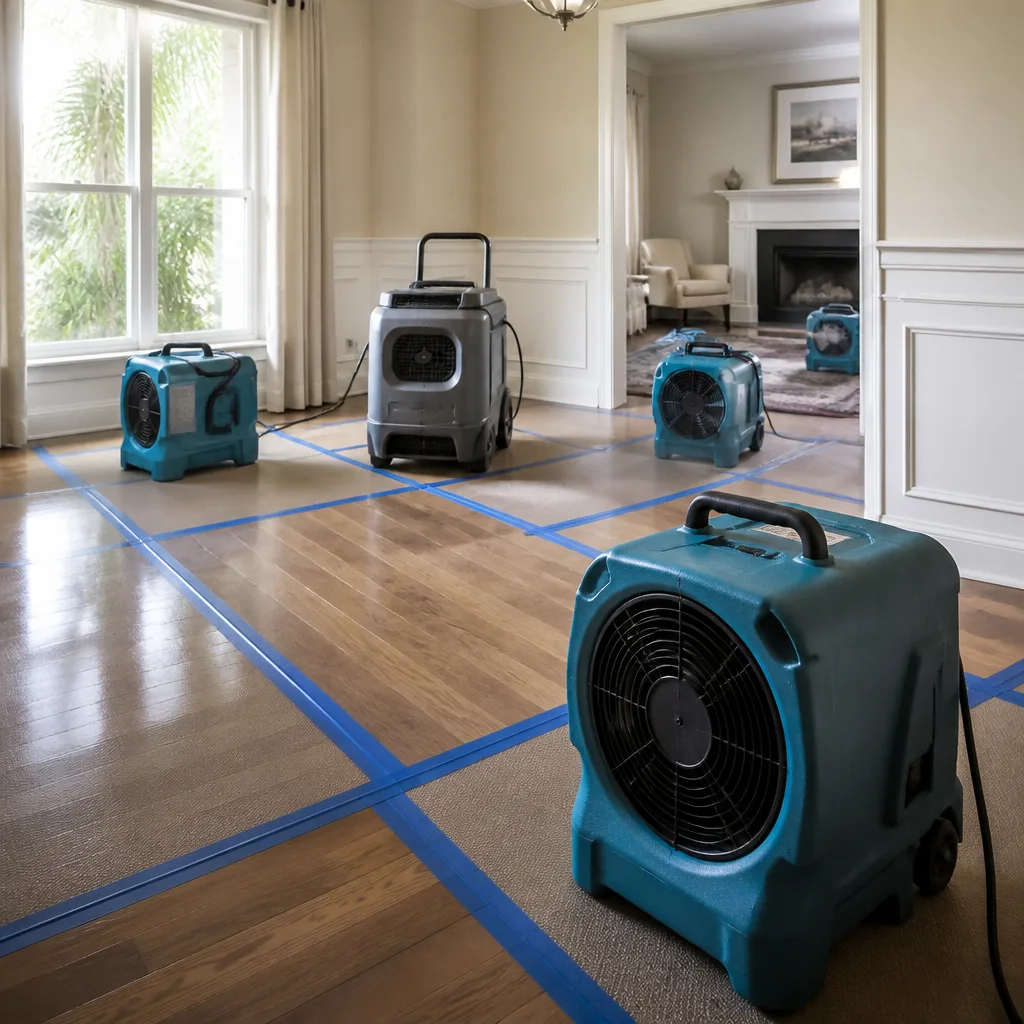


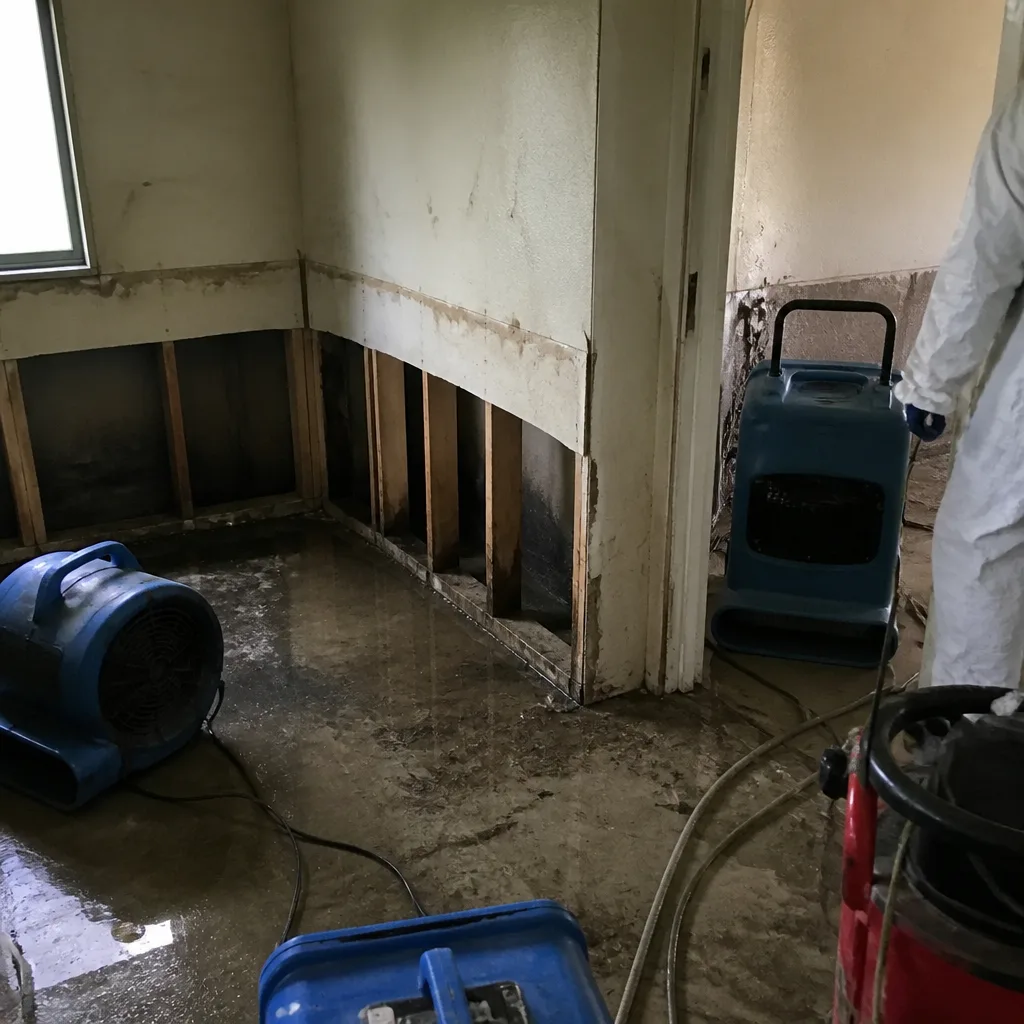 Before
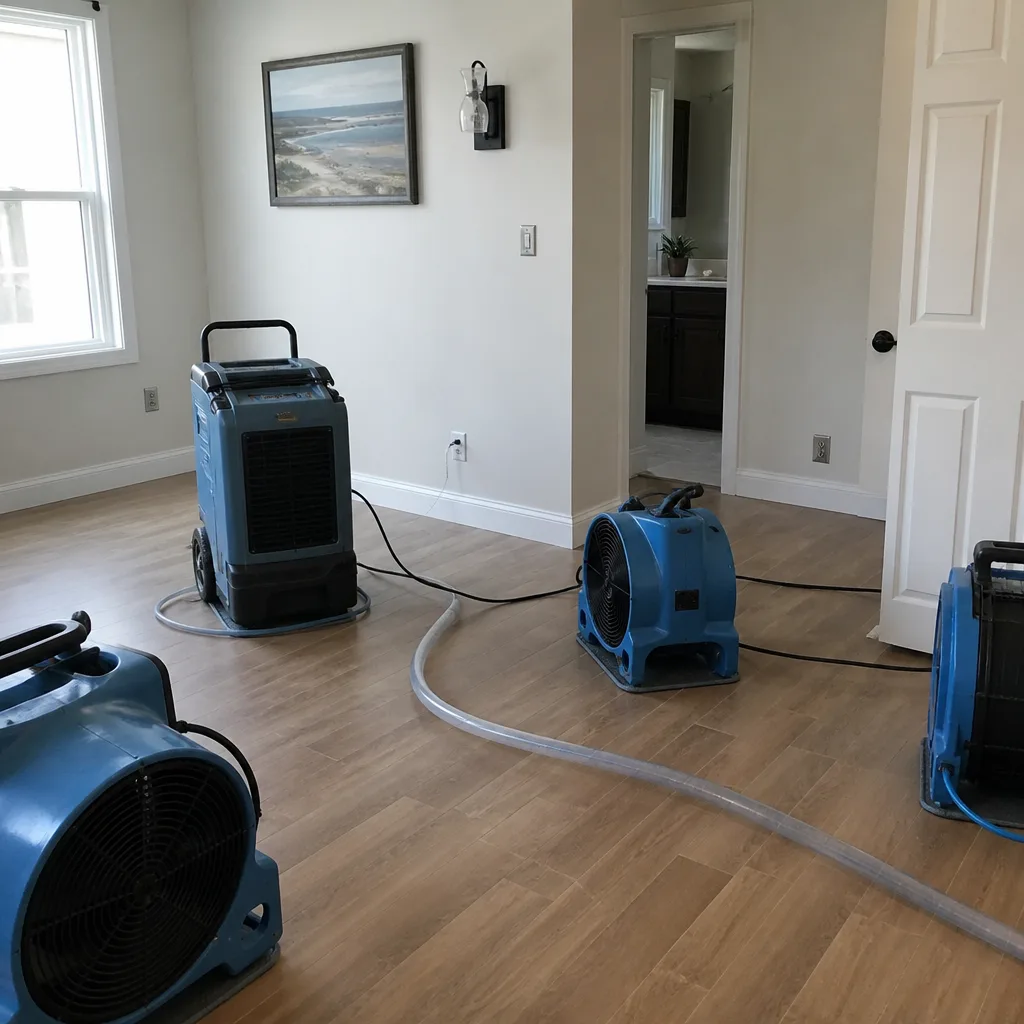 After
After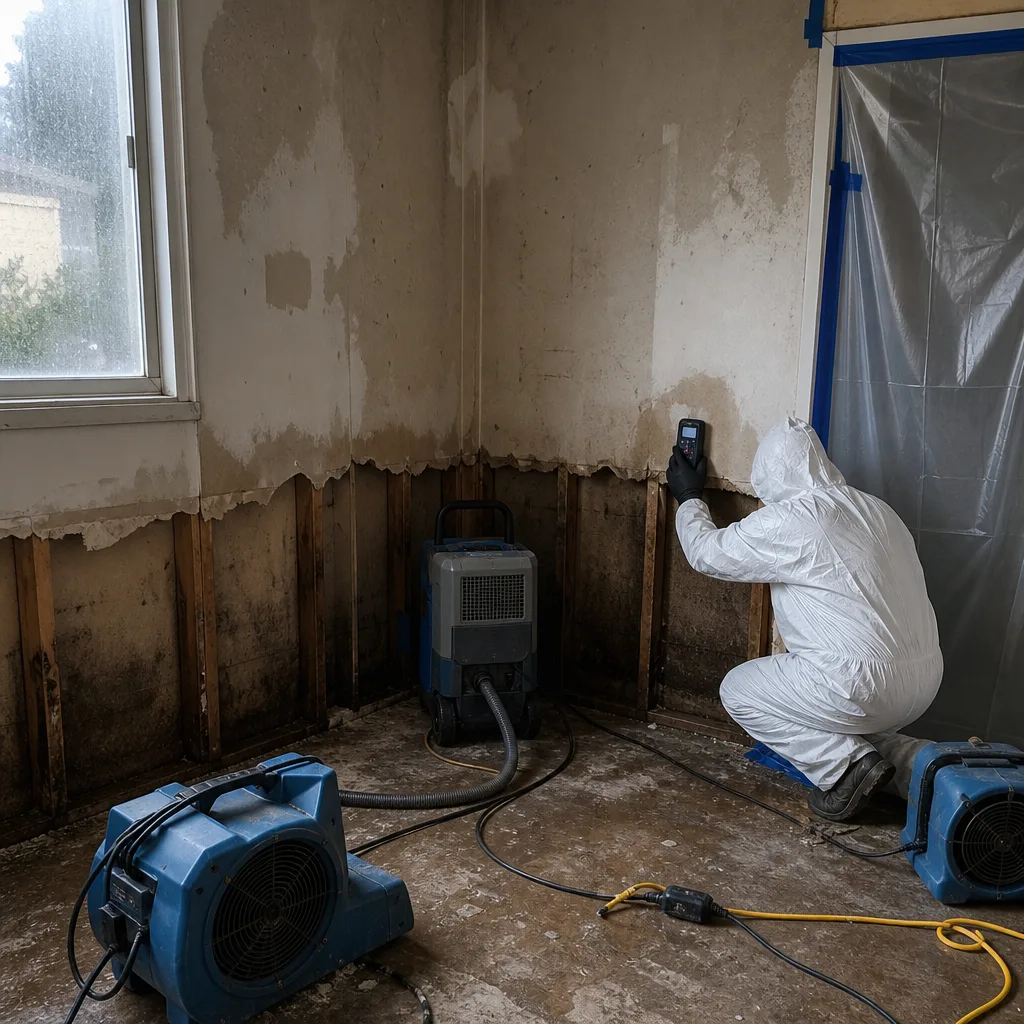 Before
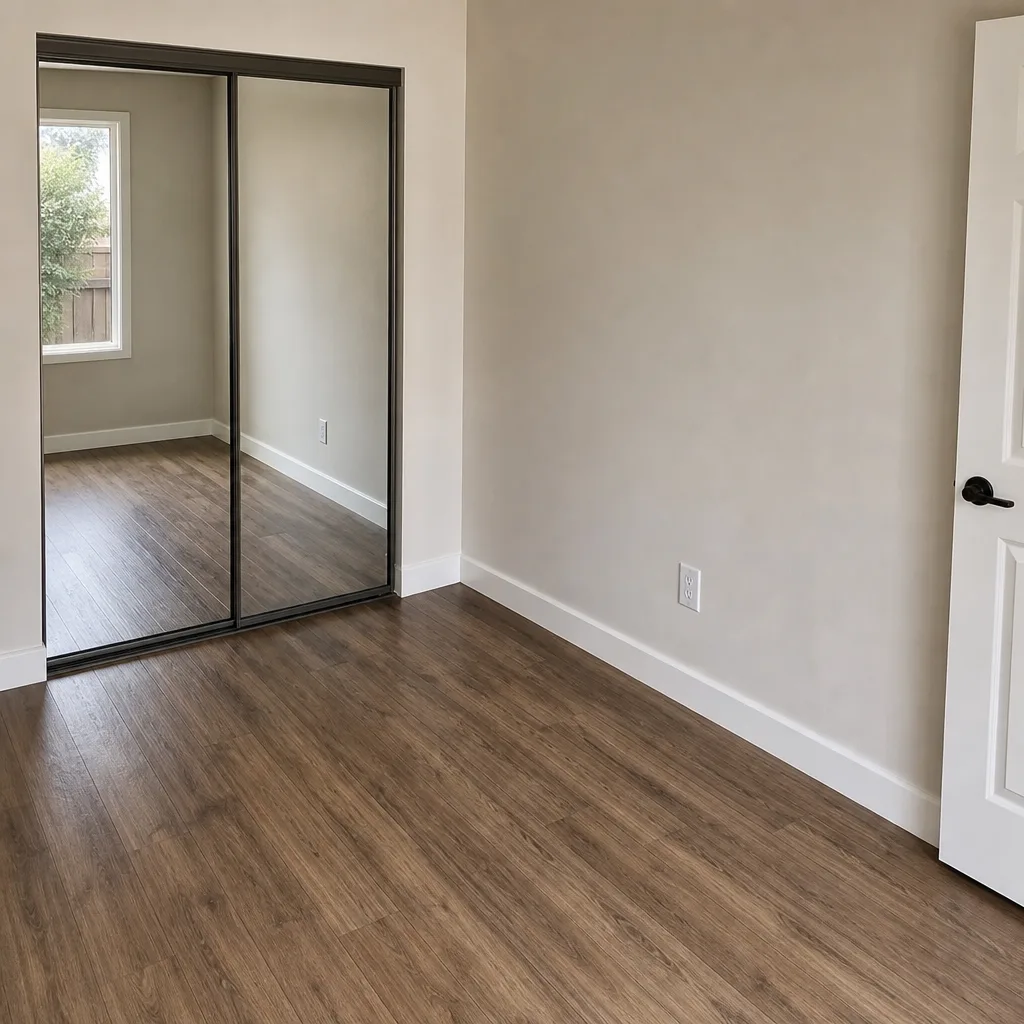 After
After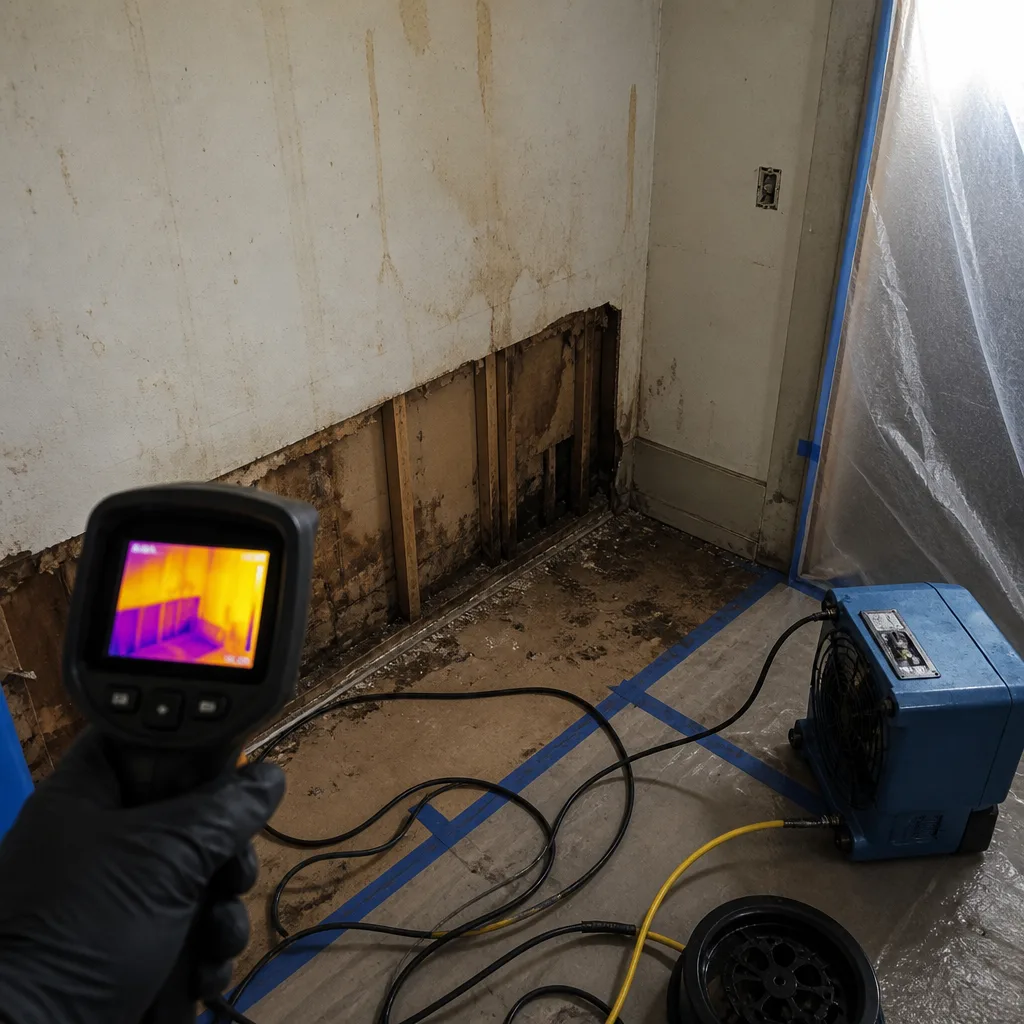 Before
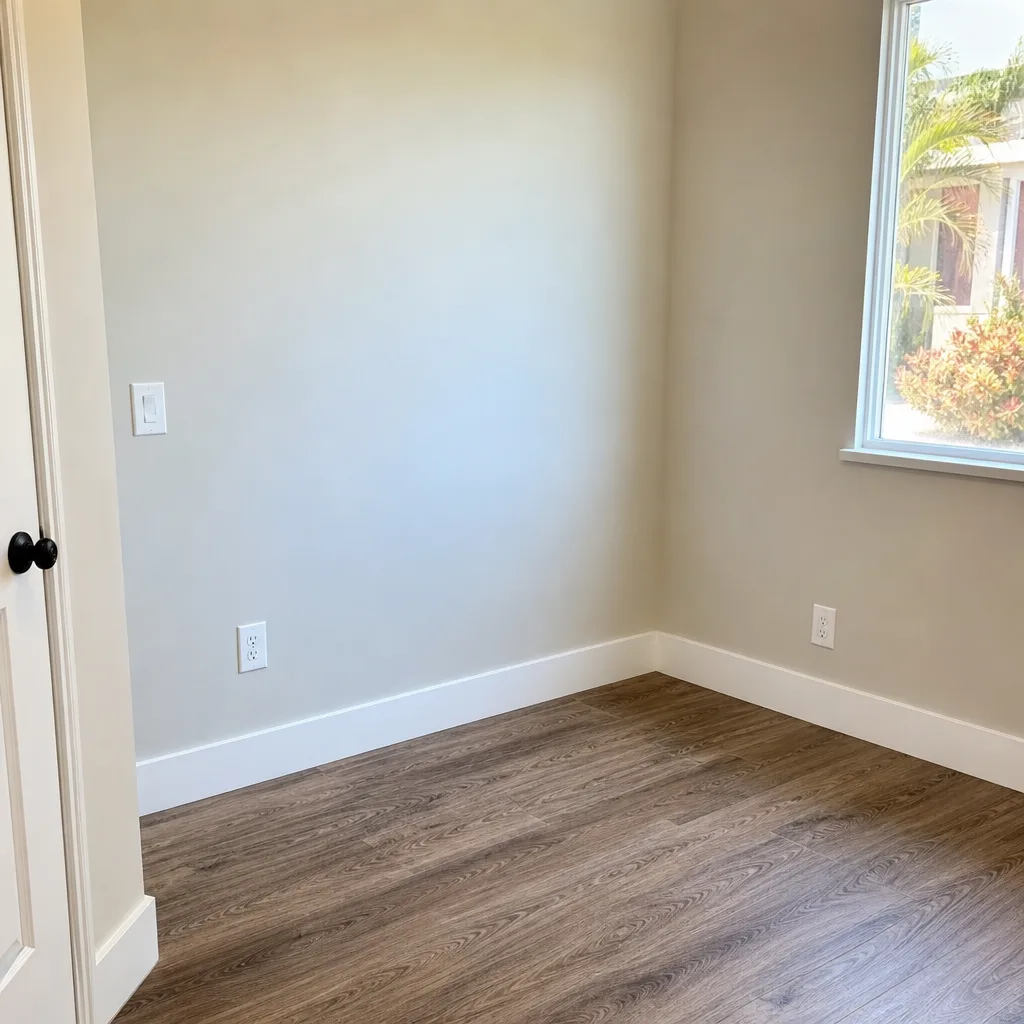 After
AfterWater Damage Restoration Maintenance Checklist for Escondido Homeowners
Escondido’s Santa Ana wind seasons drop indoor humidity so fast that slow plumbing leaks behind drywall go undetected for months. A homeowner opens a wall and finds Category 3 contamination where Category 1 water started. In our experience restoring over 12,000 homes since 2011, the difference between a covered claim and a denied one often comes down to one question: what did you document, and when? This guide gives you a maintenance checklist that produces measurable, dated records - because “I checked it” without documentation is the same as nothing when your adjuster asks what you did to prevent the loss. Explore more guides & resources on our blog.
Quick Answer
A Water Damage Restoration maintenance checklist for Escondido homeowners should include quarterly inspections of appliance supply lines, annual foundation and irrigation assessments accounting for clay soil expansion, and monthly moisture readings of walls adjacent to plumbing with dated photo documentation. Each item must produce a measurable record - moisture percentage, photo with date stamp, written log - to satisfy insurer requirements if a claim is filed. Without this documentation, preventive maintenance provides no protection during claims investigation.
Table of Contents
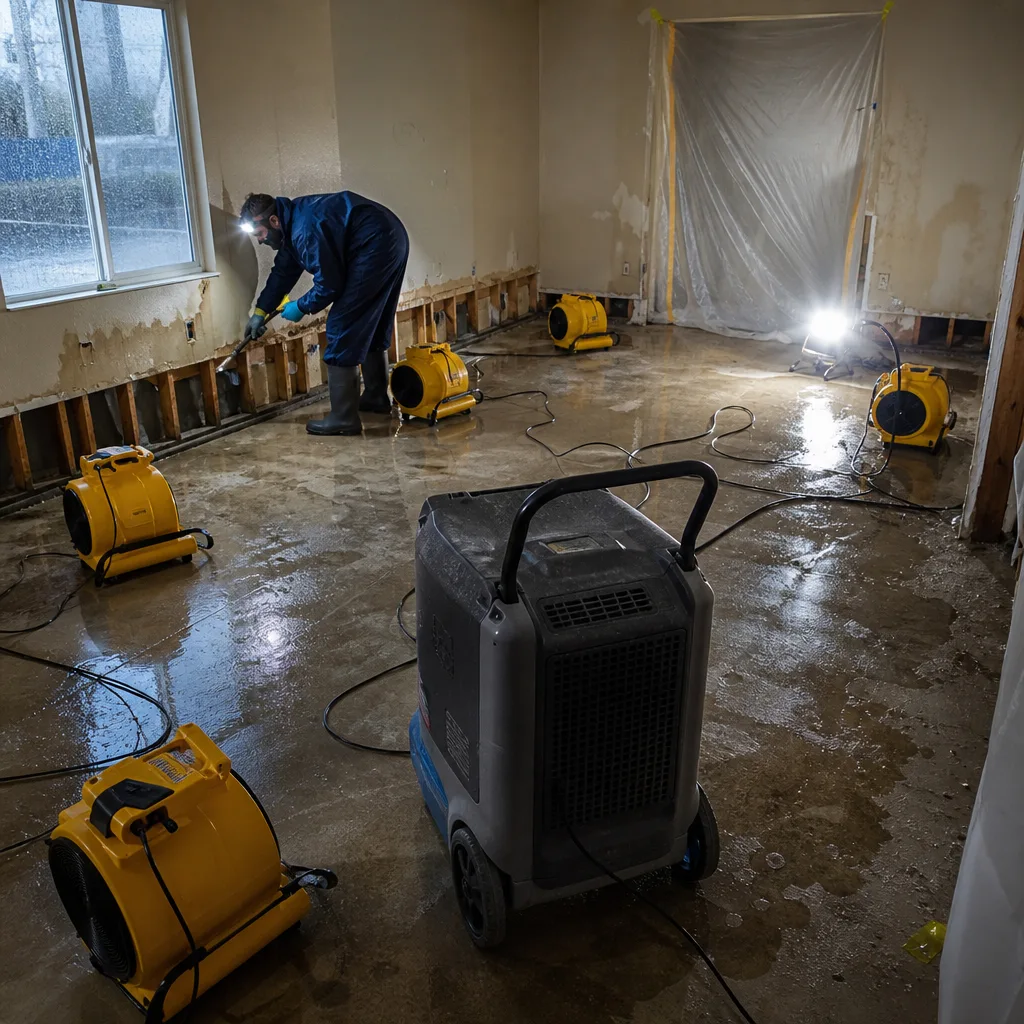
- Why Escondido’s Climate Makes Water Damage Invisible
- Quarterly Inspection Checklist: Interior Systems
- Foundation and Irrigation: Escondido’s Clay Soil Problem
- How to Take and Store Baseline Moisture Readings
- The Three Appliance Connections That Destroy Escondido Homes
- The Dated Photo Protocol That Turns Maintenance Into Evidence
- Which Maintenance Records Insurers Actually Request
- Annual Maintenance Calendar for Escondido Properties
BeforeAfterWhy Escondido’s Climate Makes Water Damage Invisible
Escondido sits in a rain shadow valley where annual precipitation averages just 15 inches, concentrated in brief winter storms. The rest of the year, Santa Ana winds push down from the mountains, dropping relative humidity inside homes from 50% to 20% in a single afternoon. This rapid desiccation masks slow leaks. Drywall surfaces feel normal. Paint doesn’t bubble. The moisture is there, trapped in wall cavities and framing, but the visible cues that homeowners in humid climates rely on simply don’t appear.
We’ve documented this pattern repeatedly in Escondido neighborhoods from Old Escondido to Felicita Ranch. A dishwasher supply line develops a pinhole leak. The water wicks into the bottom plate and stud bay. Because the Santa Ana winds pull moisture outward through the exterior sheathing, the interior drywall face reads normal on casual touch. Six months later, the homeowner notices a musty odor. By then, the moisture readings we take with Phoenix thermohygrometers show 28% wood moisture content - well above the 16% threshold where mold colonization accelerates. The Category 1 clean water has become Category 3 contamination through prolonged contact with building materials.
The clay soils common in Escondido’s western and southern neighborhoods compound this problem. These soils expand when saturated during winter rains, then contract dramatically during dry months. This cycle stresses slab foundations and the plumbing embedded in them. A slab leak that starts in January may not show surface signs until June, when the contraction creates a channel for water to migrate. The homeowner sees a crack in tile or a warm spot on the floor - often the first visible symptom of months of hidden saturation.
Our Water Damage Restoration in Escondido crews respond to these calls weekly. The documentation gap is consistent: the homeowner noticed something, called someone, but has no dated record of preventive inspection. The insurer’s position is straightforward - if the damage developed over months, was it truly sudden and accidental? Without maintenance records, that question becomes unanswerable.
Quarterly Inspection Checklist: Interior Systems
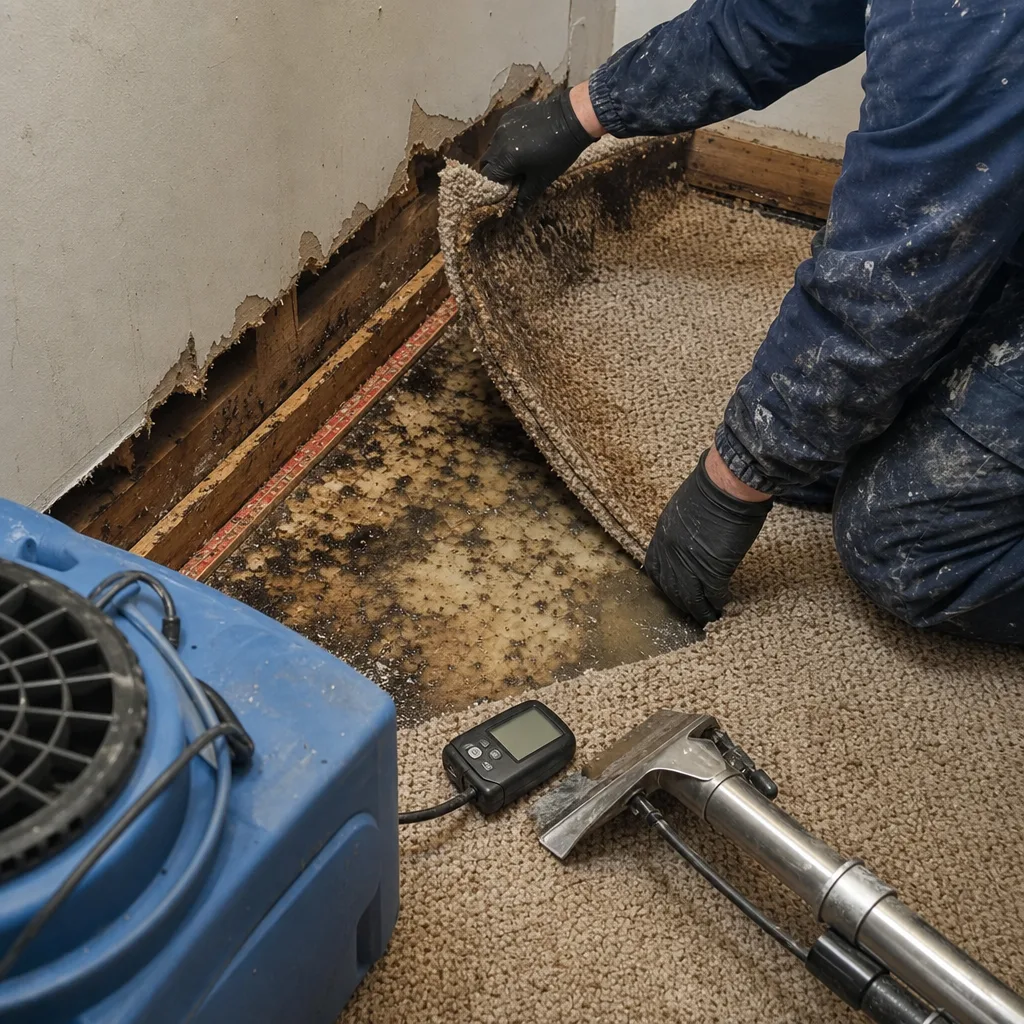
Quarterly inspections should focus on active water sources and pressure-bearing components. Every three months, on a schedule you calendar - March 1, June 1, September 1, December 1 - complete the following:
- Appliance supply lines: Examine dishwasher, refrigerator ice maker, and washing machine hoses for bulging, cracking, or corrosion at fittings. These three connections account for a disproportionate share of interior water claims in Escondido, which we detail in the section below. Replace any rubber hose with braided stainless steel. Note manufacturer and installation date on your log.
- Water heater: Check the temperature-pressure relief valve for drips or mineral deposits. Inspect the drain pan for standing water. In Escondido’s hard water conditions, sediment buildup accelerates tank corrosion. Document the pan’s condition with a photo showing the date.
- Under-sink cabinets: Remove all contents. Inspect cabinet floor for staining, warping, or musty odor. Run water in the sink for two minutes and watch the P-trap and supply valve connections with a flashlight. Even a single drop during this test indicates a fitting that will fail.
- Toilet bases and wax rings: Check for rocking or staining at the floor interface. A failed wax ring allows water to seep into the subfloor with every flush. In Escondido’s older homes, particularly in the historic district near Grand Avenue, original cast iron flanges corrode and create slow leaks that destroy subflooring.
- HVAC condensate lines: Verify the primary drain flows freely and the secondary pan’s float switch functions. Pour a cup of water into the pan to confirm drainage. In summer months, Escondido’s high cooling loads produce substantial condensate; a clogged line can dump 20 gallons daily into a ceiling cavity.
- Whole-house water pressure: Test at an exterior hose bib with a gauge. Pressure above 80 PSI stresses all connections. Escondido municipal pressure varies by elevation; homes above 1,000 feet may see 90+ PSI. Install a pressure-reducing valve if needed, and document the reading.
Each inspection requires a dated log entry: location inspected, condition found, action taken, photo reference number. Store these logs with your homeowner’s insurance policy. When we arrive at an Escondido water damage call, homeowners who produce quarterly logs typically see smoother claim processing - the adjuster has evidence of due diligence rather than a blank history.
Foundation and Irrigation: Escondido’s Clay Soil Problem
Escondido’s soil composition varies sharply by neighborhood. Western areas toward San Marcos and southern zones near Lake Hodges feature expansive clay soils that swell when wet and shrink when dry. This expansion can lift foundations 2-4 inches during winter saturation, then drop them during summer drought. The resulting stress fractures slab plumbing and creates gaps where water infiltrates.
Your maintenance checklist must address this directly:
- Grade and drainage: Verify soil slopes away from the foundation at 6 inches of drop per 10 feet of run. After winter rains, check for ponding within 10 feet of the structure. In Escondido’s clay soils, water that pools against the foundation will wick through the stem wall and into the slab edge.
- Gutter downspouts: Extend all downspouts at least 6 feet from the foundation. In neighborhoods with zero-lot lines - common in newer Escondido developments - this may require underground drainage. Document the extension with a photo showing measurement.
- Irrigation system audit: Run each zone individually and observe. Sprinkler heads should not spray the structure. Drip lines near the foundation should be capped or relocated. We’ve responded to Escondido calls where a single misaligned rotor sprayed a bedroom wall twice weekly for three years, producing $40,000 in hidden damage.
- Foundation inspection: Walk the perimeter and note new cracks in stucco, separation at control joints, or tilting of patio slabs. Measure crack width with a crack monitor or even tape; photograph with a coin or ruler for scale. A crack that grows from 1/16 inch to 1/8 inch between inspections signals active soil movement and potential plumbing stress.
- Tree and shrub management: Roots from mature eucalyptus, ficus, and pepper trees - common in established Escondido neighborhoods - seek moisture at foundation drains and sewer laterals. Maintain a minimum 10-foot clearance, or install root barriers. Document tree species and distance.
The Santa Ana heat swings create additional stress. When temperatures rise from 65°F to 95°F in a single October day, copper pipe embedded in slab expands and contracts. Repeated cycles work-harden the metal at fittings. A quarterly inspection that includes running hot water and listening for hammering at slab locations can catch this before failure.
Our DryMark Restoration Escondido home page details our documentation standards for slab leak responses. The same rigor applies to prevention: if you document foundation conditions quarterly, you establish a baseline that proves sudden damage when a pipe finally fails.
How to Take and Store Baseline Moisture Readings
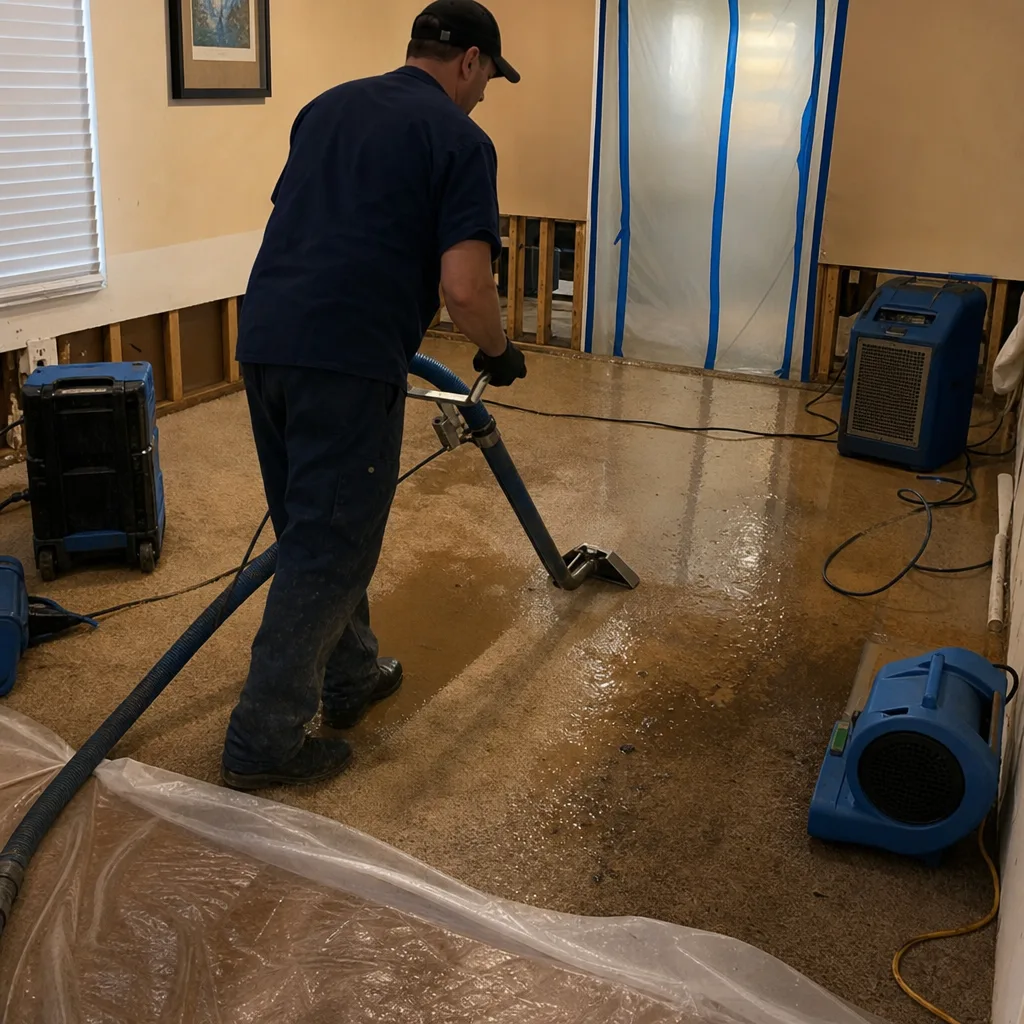
A baseline moisture reading is a documented measurement of normal, dry conditions against which future readings can be compared. Without baselines, every reading is an isolated data point. With them, you have evidence of change - the critical factor in proving sudden versus gradual damage to insurers.
Equipment: A pinless moisture meter suitable for drywall and wood costs $50-150. Professional restoration crews use meters calibrated to material type; for homeowner purposes, a general-purpose meter set to “drywall” or “softwood” mode suffices. Some XPOWER and B-Air distributors offer meters packaged with air movers for homeowner purchase.
Locations to baseline:
- Wall adjacent to water heater, 12 inches above floor
- Wall behind refrigerator (ice maker line), 12 inches above floor
- Wall behind dishwasher, 12 inches above floor
- Wall behind washing machine, 12 inches above floor
- Ceiling below upstairs bathrooms, at multiple points
- Garage wall shared with interior, if water heater or laundry is present
- Any wall with known historical plumbing, including previous repairs
Procedure: Take readings during known dry conditions - after 7+ days without rain, with HVAC running normally. Record: date, time, outside temperature, outside humidity, meter reading at each location, and a photo of the meter display against the wall. Store in a dedicated folder, physical or digital, with your insurance documents.
Interpretation: Normal drywall reads 5-12% moisture content. Wood framing reads 10-16%. Readings above these ranges indicate elevated moisture requiring investigation. A reading that jumps 5+ percentage points from baseline at a single location, even if still within “normal” range, signals a developing leak.
In Escondido’s climate, seasonal variation matters. January baselines will read higher than August baselines due to winter humidity. That’s why quarterly baselines, taken at consistent intervals, matter more than a single annual measurement. When we document drying jobs with daily moisture logs to IICRC standards, the baseline comparison is what demonstrates progress to adjusters. Your homeowner baselines serve the same function for prevention.
The Three Appliance Connections That Destroy Escondido Homes
Our 12,000+ restoration jobs since 2011 show a clear pattern. Three appliance connections produce disproportionate damage in Escondido homes, and all three share characteristics that make them invisible until catastrophic failure.
Dishwasher supply line: Typically a 3/8-inch compression fitting at the valve and a 90-degree elbow at the dishwasher cabinet. The line runs through the bottom of the cabinet, behind the kickplate, completely concealed. A slow drip at the valve - common with hard water mineral buildup in Escondido - saturates the cabinet base, then the subfloor, then the ceiling below. Average time to visible symptom: 4-7 months. Average damage when discovered: $15,000-35,000.
Maintenance: Quarterly, remove the kickplate and inspect with a flashlight. Run the dishwasher and watch both fittings through a full cycle. Replace rubber or PVC supply lines with braided stainless steel every 5 years regardless of appearance. Document with photo.
Refrigerator ice maker: A 1/4-inch saddle valve pierces a copper or PEX cold water line, often in a wall behind the refrigerator. The piercing point is a stress concentrator. Vibration from the refrigerator compressor works the fitting. In Escondido’s hard water, mineral deposits accelerate corrosion at the pierce point. The line itself is typically plastic tubing that becomes brittle after 5-7 years.
Maintenance: Pull the refrigerator out quarterly. Inspect the saddle valve for corrosion, the tubing for kinking or cracking, and the floor beneath for any staining. Replace plastic tubing with copper or braided stainless. If your refrigerator is against an exterior wall in an Escondido home, note that Santa Ana wind pressure differentials can accelerate fitting fatigue - inspect more frequently, every 6-8 weeks.
Washing machine hoses: Rubber hoses under constant pressure, rated for 3-5 years but often left in service for 15+. The burst pressure rating assumes ideal conditions; Escondido’s water pressure fluctuations and hard water mineral deposition reduce actual service life dramatically. A burst washing machine hose releases 500+ gallons per hour.
Maintenance: Inspect monthly for bulging, cracking, or corrosion at fittings. Replace rubber hoses with braided stainless steel every 3 years - calendar it, don’t wait for visible failure. Install lever-operated shutoff valves and close them when the machine is not in use. This single habit eliminates the constant pressure that causes most hose failures.
These three connections should be your highest-priority inspection items. The damage they cause is consistently the most expensive we see in Escondido, and consistently the most preventable with disciplined maintenance documentation.
The Dated Photo Protocol That Turns Maintenance Into Evidence
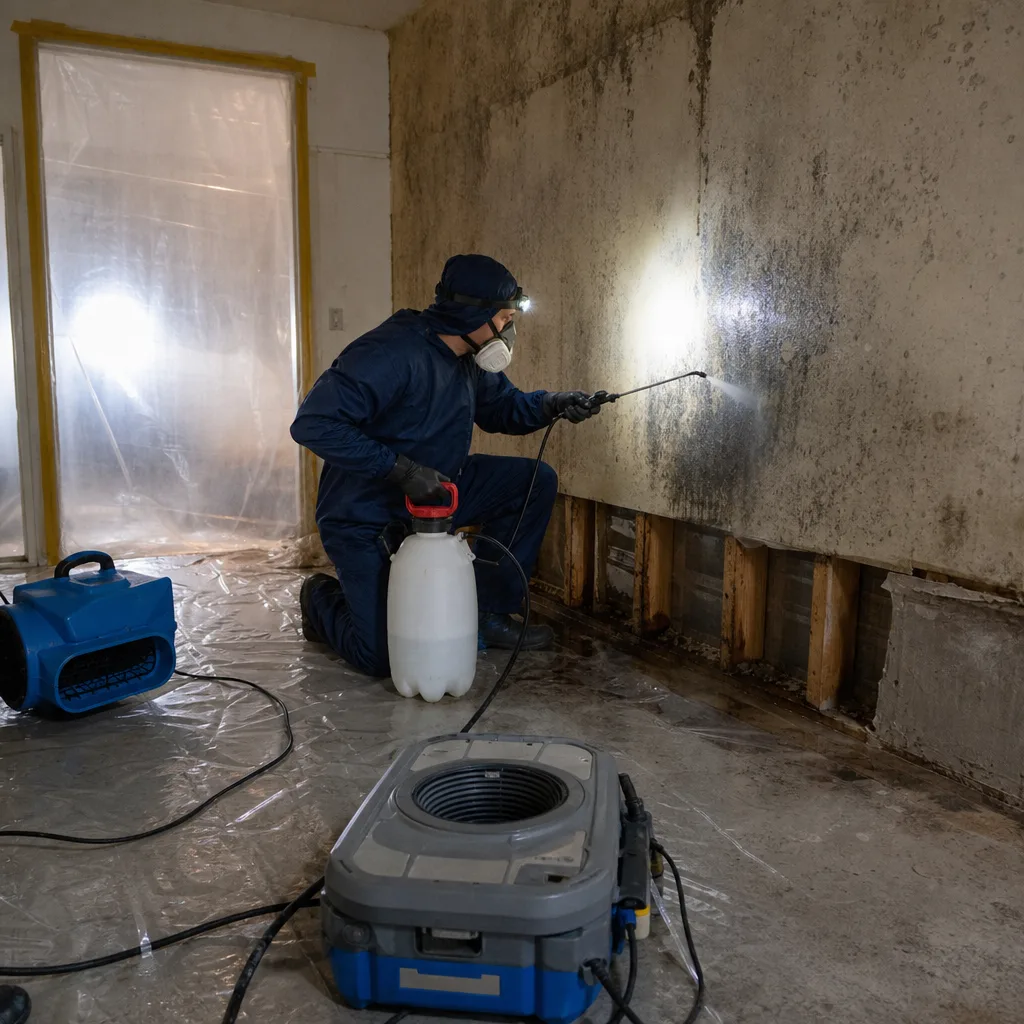
A photo without context is decorative. A photo with date, location, and measurement is evidence. Insurers and their adjusters evaluate documentation on three criteria: is it dated, is it specific, and is it consistent? This protocol satisfies all three.
Required elements in every maintenance photo:
- Room identification: A slip of paper in the frame reading “Kitchen, north wall, behind dishwasher” or equivalent. Not “kitchen” - specific wall, specific location.
- Date stamp: Camera-generated or written on the paper slip. The date must be visible in the frame, not just in file metadata. Metadata is easily disputed; in-frame text is not.
- Measurement in frame: The moisture meter display, a ruler at a crack, a pressure gauge. The measurement validates that inspection occurred, not just that someone stood in the room.
- Condition documentation: What you found. Dry, wet, cracked, corroded, replaced. One word on the paper slip suffices.
Storage protocol: Create a folder structure by year, then by quarter. File naming: 2024-Q2_Kitchen_NorthWall_Dishwasher_0524_Dry_11pct.jpg. This naming convention allows rapid retrieval and proves systematic maintenance to any reviewer.
Cloud backup: Upload to a cloud service with version history. Local storage only is vulnerable to the same water damage you’re documenting. A homeowner in Escondido’s Harmony Grove area lost years of maintenance records in a 2019 flood that destroyed their computer - records that would have supported a $200,000 claim.
Professional restoration documentation standard: Our crews produce photo records on every visit, documented to IICRC standards, with room-by-room moisture readings. The homeowner who mirrors this discipline with their preventive maintenance creates parallel documentation that insurers recognize and respect. It’s not about volume - it’s about consistency and specificity.
The Injectidry systems we deploy for wall cavity drying include documentation protocols that homeowners can adapt. Their moisture mapping approach - grid readings, plotted on room diagrams - works equally well for baseline establishment.
Which Maintenance Records Insurers Actually Request
When a water damage claim enters investigation, the adjuster requests specific documentation categories. Understanding these in advance lets you maintain records that answer questions before they’re asked.
Receipts versus logs: A receipt for a washing machine hose replacement proves purchase, not installation, not inspection, not ongoing condition. Insurers weight receipts low. What they weight high: dated inspection logs with measurements, photos with in-frame dates, and written summaries of conditions found and actions taken. The distinction is critical. A $15 hose receipt is weak evidence. A quarterly log showing “10/15/2023: inspected washing machine hoses, no bulging or corrosion, pressure 72 PSI, photo #WM-101523-01” is strong evidence.
Specific records adjusters request:
- Plumbing inspection reports: If you’ve had a licensed plumber inspect, the report with their license number, your address, date, and findings. Escondido requires licensed plumbers for work beyond minor repairs; their documentation carries regulatory weight.
- Moisture reading logs: Baseline and subsequent readings with dates, locations, equipment used. Adjusters understand moisture meters; they use them too.
- Photo documentation: Especially of conditions that prompted maintenance action - the crack that led to foundation repair, the stain that led to plumbing investigation.
- Repair invoices with scope: Not just “fixed leak” but “replaced 3/8 compression valve at dishwasher supply, tested 15 minutes no drip, 90-day warranty.” Specificity demonstrates professional intervention.
- Weather records for date of loss: While not maintenance documentation, your maintenance logs that reference weather conditions (“inspected 1/15/2024, 3 days after 2.3 inch rain, no foundation ponding”) establish your awareness of environmental factors.
The denial pattern we see: Insurers deny claims as “long-term” or “gradual” when no maintenance records exist. The burden shifts to the homeowner to prove sudden damage. With quarterly logs, that burden is met before the question arises. Without them, the homeowner faces a coverage fight that documentation would have prevented.
Our Fire & Smoke Damage Restoration in Escondido page discusses parallel documentation standards for fire claims. The principle is identical: evidence before the loss determines claim outcome.
Annual Maintenance Calendar for Escondido Properties
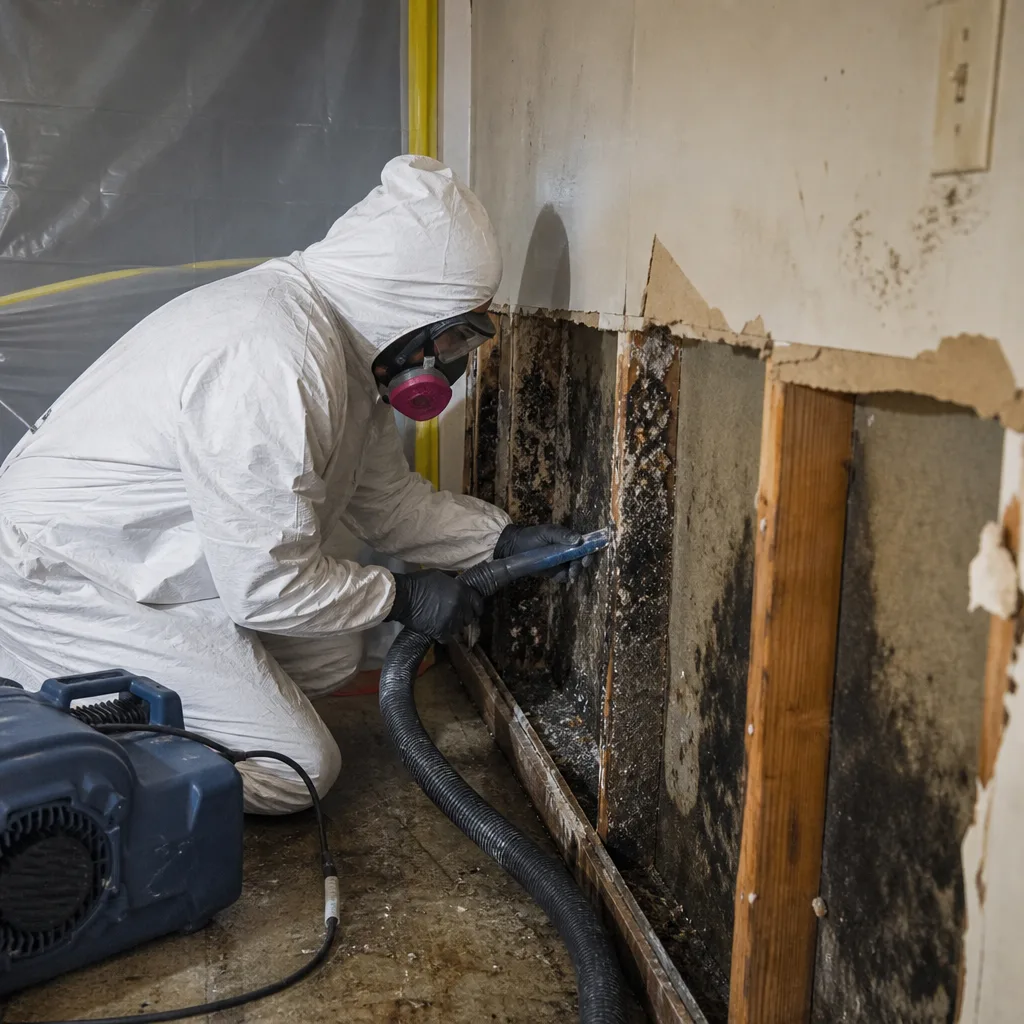
Synthesize quarterly and seasonal tasks into an annual rhythm calibrated to Escondido’s climate patterns.
January (post-holiday, peak rain season):
- Inspect roof and attic after winter storms
- Check foundation drainage and grade after saturation
- Test sump pump if installed
- Baseline moisture readings in all monitored locations
- Document any new foundation cracks post-expansion
April (pre-Santa Ana season):
- Service HVAC, verify condensate drainage
- Inspect irrigation system, adjust for summer schedule
- Check exterior caulking at windows, doors, penetrations
- Quarterly appliance connection inspection
- Pressure test at hose bib
July (peak heat, peak cooling load):
- Inspect attic ventilation - blocked vents trap moisture
- Check water heater TPR valve function
- Verify washing machine hoses under thermal stress
- Quarterly appliance connection inspection
- Document any foundation settlement cracks post-dry season
October (Santa Ana onset, wildfire season):
- Pre-winter roof and gutter cleaning
- Inspect and test all shutoff valves
- Check exterior drainage before winter rains
- Quarterly appliance connection inspection
- Annual moisture baseline update
Calendar these tasks with reminders. The homeowner who treats maintenance as a scheduled obligation, not a response to visible problems, produces the documentation that protects their claim.
Common Mistakes to Avoid
- Relying on visible signs alone. In Escondido’s dry climate, water damage often progresses without surface indicators. By the time you see staining, the structural damage and mold colonization are advanced. Always verify with moisture readings.
- Storing records only on paper. Paper records in the home are vulnerable to the same water damage they document. Scan and cloud-backup every log, every photo, every receipt.
- Using “call a plumber” as documentation. A phone call produces no record. Even informal maintenance should be logged with date, who performed the work, what was found, and what was done.
- Ignoring irrigation systems. Escondido homeowners often focus on interior plumbing while landscape irrigation causes equal or greater damage. A single stuck valve can pump hundreds of gallons against the foundation overnight.
- Assuming new construction is maintenance-free. Homes built during Escondido’s 2015-2020 construction boom show higher-than-expected water damage rates due to rapid construction schedules and pressure testing shortcuts. Inspect aggressively in years 1-5.
- Neglecting to update baselines after repairs. A repaired leak changes the moisture dynamics of a wall. New baselines should be established after any plumbing work, not just annually.
- Using generic checklists without Escondido-specific adaptation. A checklist written for humid climates or freeze-prone regions misses the Santa Ana factor, the clay soil factor, and the hard water factor that define local risk.
When to Call a Professional
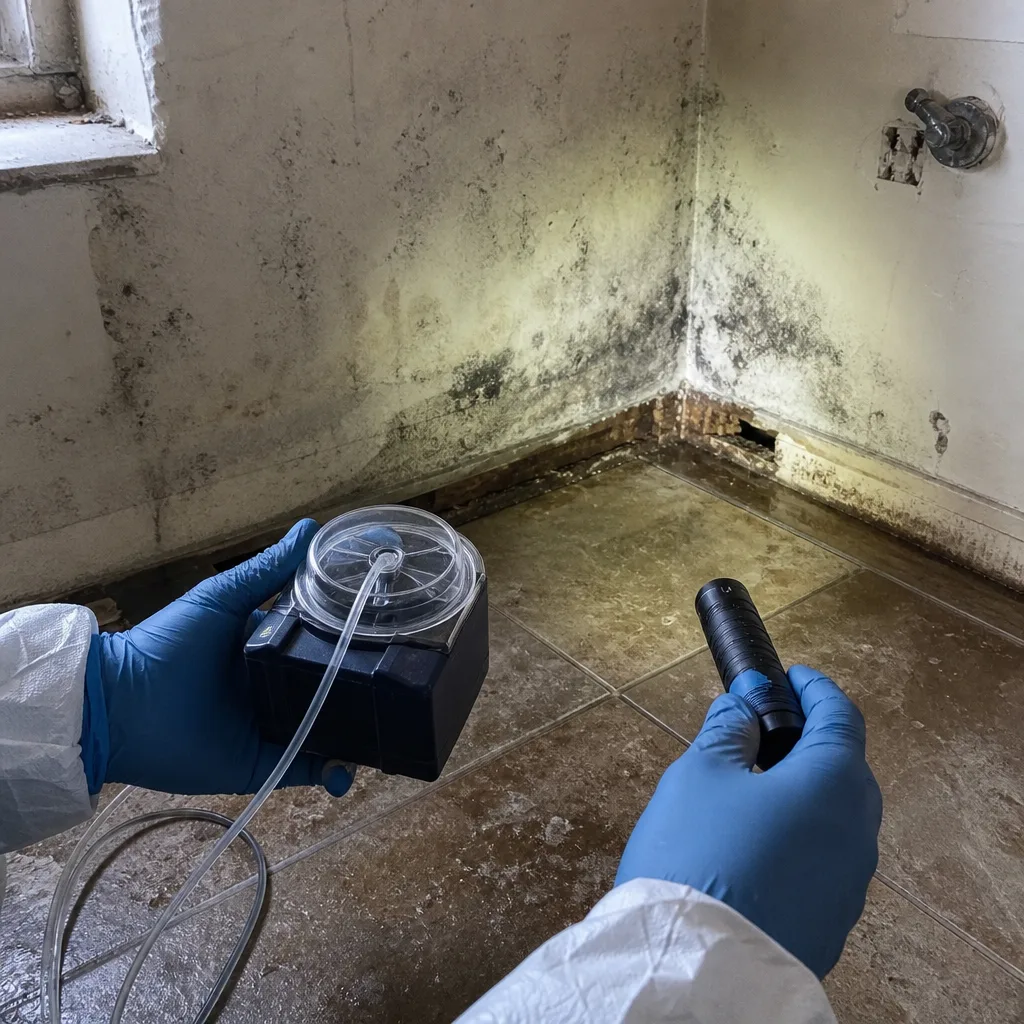
Some conditions exceed homeowner maintenance scope and require professional assessment. Call for professional evaluation when: moisture readings exceed 20% on wood or 15% on drywall and the source is not immediately identifiable; you discover active mold growth of any size; a slab leak is suspected based on warm floor spots, sound of running water when fixtures are off, or unexplained water bill increases; foundation movement exceeds 1/4 inch between inspections; or water damage occurs and you need documentation for an insurance claim.
DryMark Restoration Escondido offers free estimates in Escondido - call (760) 691-2950. Our assessment includes moisture mapping with professional-grade equipment, a written scope with pricing before any work begins per Haven Standard Clause 1, and a photo-documented record you can submit directly to your adjuster. For Mold Remediation in Escondido, we provide the same documentation rigor that turns restoration invoices into payable claims.
Frequently Asked Questions
Professional moisture assessment in Escondido typically ranges from $150-$350 for residential properties, with comprehensive mapping of multiple rooms at the higher end. See our Damage Restoration Cost Breakdown for detailed 2026 pricing. DryMark Restoration Escondido provides free estimates that include moisture assessment - call (760) 691-2950 to schedule.
Insurance may still cover water damage without maintenance records, but the claim investigation becomes more adversarial. The adjuster must determine whether damage was “sudden and accidental” or gradual and preventable. Without documentation, the burden of proving sudden damage falls entirely on you, and denials for long-term damage are more likely. Maintenance records shift that burden by establishing due diligence.
DryMark Restoration Escondido maintains live phone coverage 24 hours a day, 7 days a week with no voicemail on emergency lines. For active water damage, we dispatch immediately upon call receipt. Speed matters for mitigation - every hour of delay allows water migration and secondary damage. For reconstruction and non-emergency assessment, we schedule at your convenience with a written scope and price before work begins.
The need for full remediation versus drying alone depends on water category, affected materials, and duration. Category 1 clean water on hard surfaces within 24 hours may require only extraction and drying. Category 2 or 3 water, any porous material saturation beyond 48 hours, or visible mold growth requires remediation with controlled demolition and antimicrobial treatment. A professional moisture assessment determines the correct scope - self-assessment often underestimates hidden saturation.
DryMark Restoration Escondido coordinates directly with adjusters as part of our standard service. We provide the daily drying logs, photo documentation, and written scopes that adjusters need to approve claims. Our documentation-first approach - the foundation of The Haven Standard since 2011 - was built specifically to close the documentation gap that delays or denies claims. You remain the policyholder and final decision-maker, but the administrative burden of adjuster communication falls on us.
Escondido’s municipal water supply, drawn from mixed sources including local groundwater, carries mineral content that accelerates corrosion at pipe fittings and valve seats. This increases pinhole leak frequency in copper piping and reduces service life of rubber seals and hoses. The mineral deposits themselves can mask small leaks by absorbing moisture before it reaches visible surfaces. Quarterly inspection with flashlight and mirror, not just casual observation, is necessary to catch hard-water-accelerated failures.
The Bottom Line
A water damage maintenance checklist protects Escondido homeowners only when each item produces dated, specific, measurable documentation. For a deeper dive, see our Complete Guide to Damage Restoration in Escondido. Quarterly appliance inspections, annual foundation assessments accounting for clay soil expansion, and monthly moisture baselines with photo records transform routine maintenance into claim-ready evidence. The Santa Ana winds that make this region desirable also make water damage invisible - until it isn’t. Documentation is the bridge between prevention and protection.
Written by Alicia Brennan, Owner at DryMark Restoration Escondido, serving Escondido since 2011.