
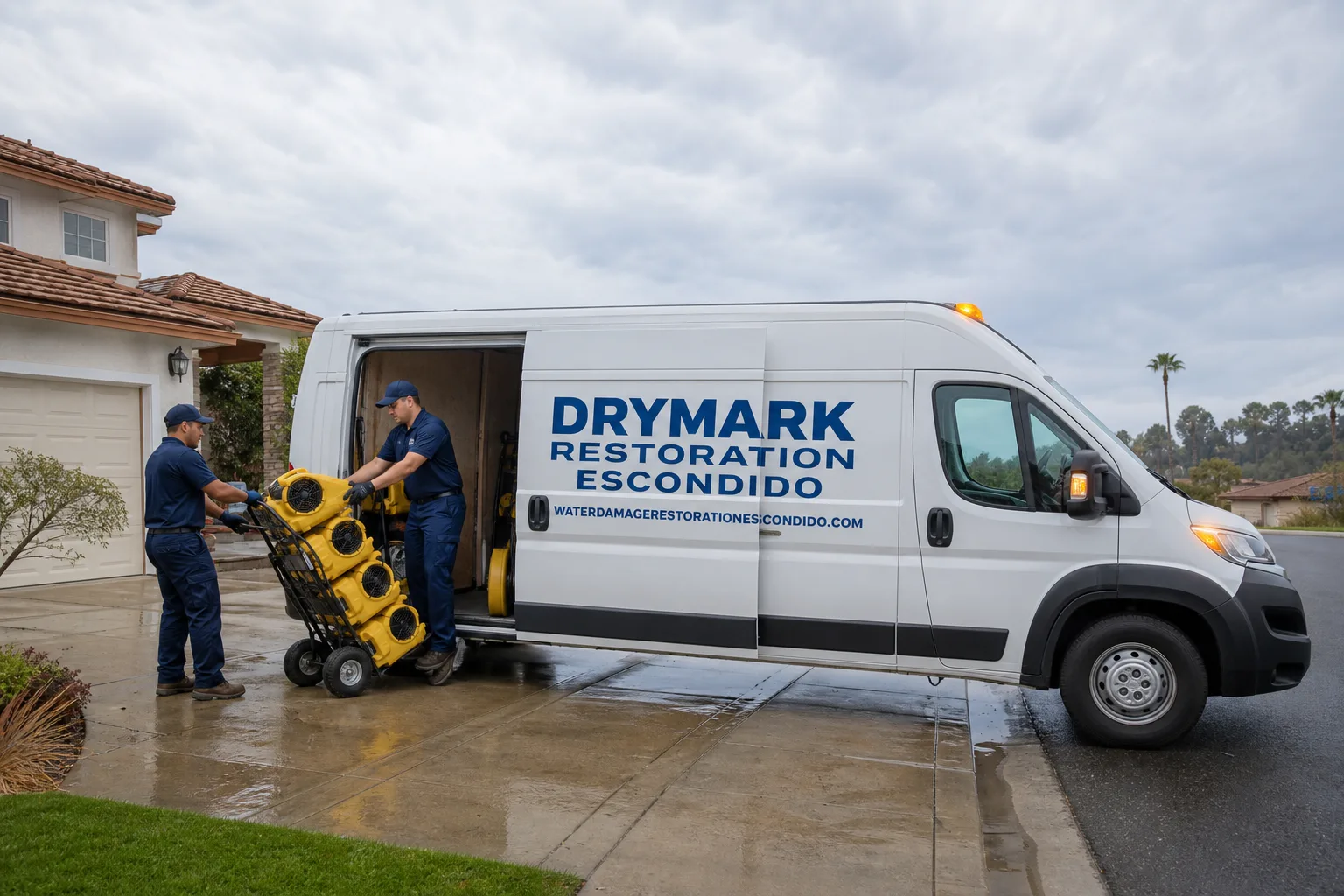
Free visual inspection and a written scope of work before any mitigation begins - photos, moisture readings, and drying logs go in your claim file
The scope we write is the scope we bill. Anything new gets shown to you, in writing, before we touch it.
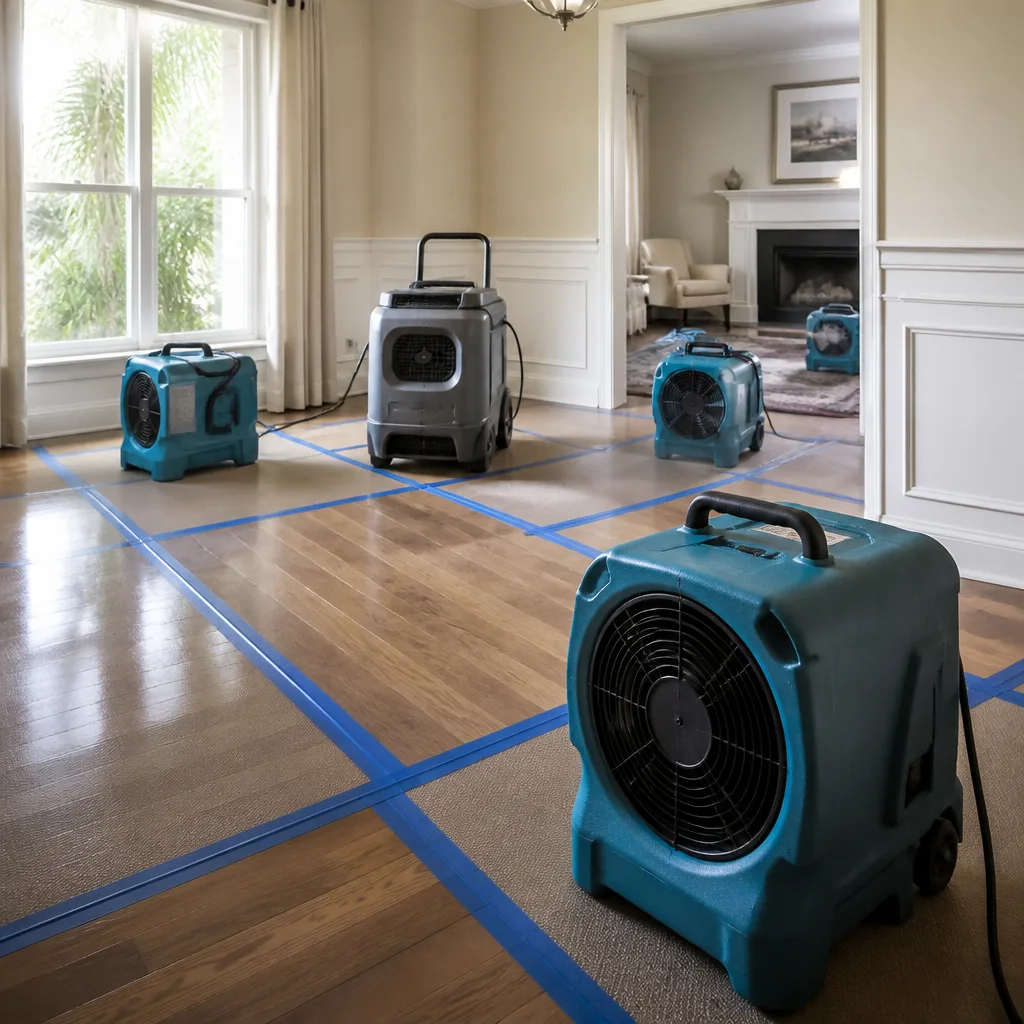

 Before
 After
After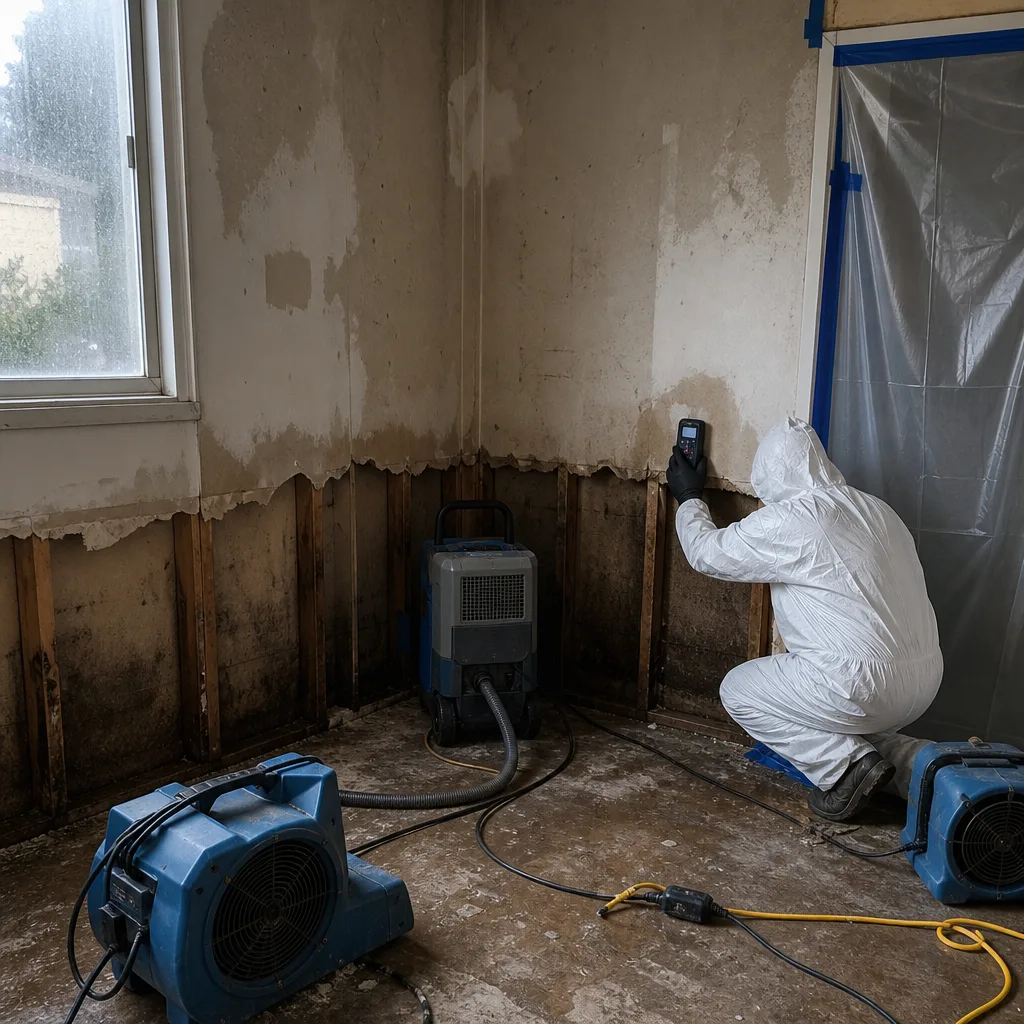 Before
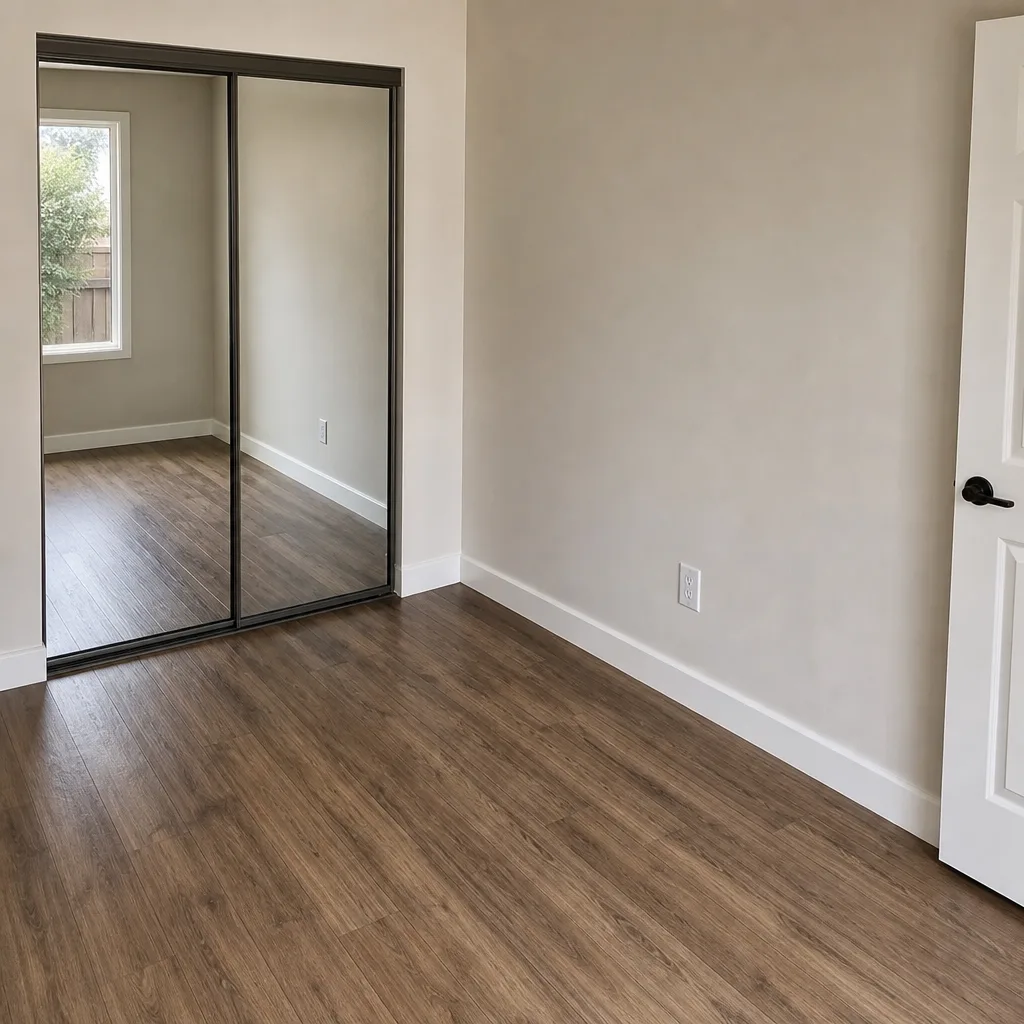 After
After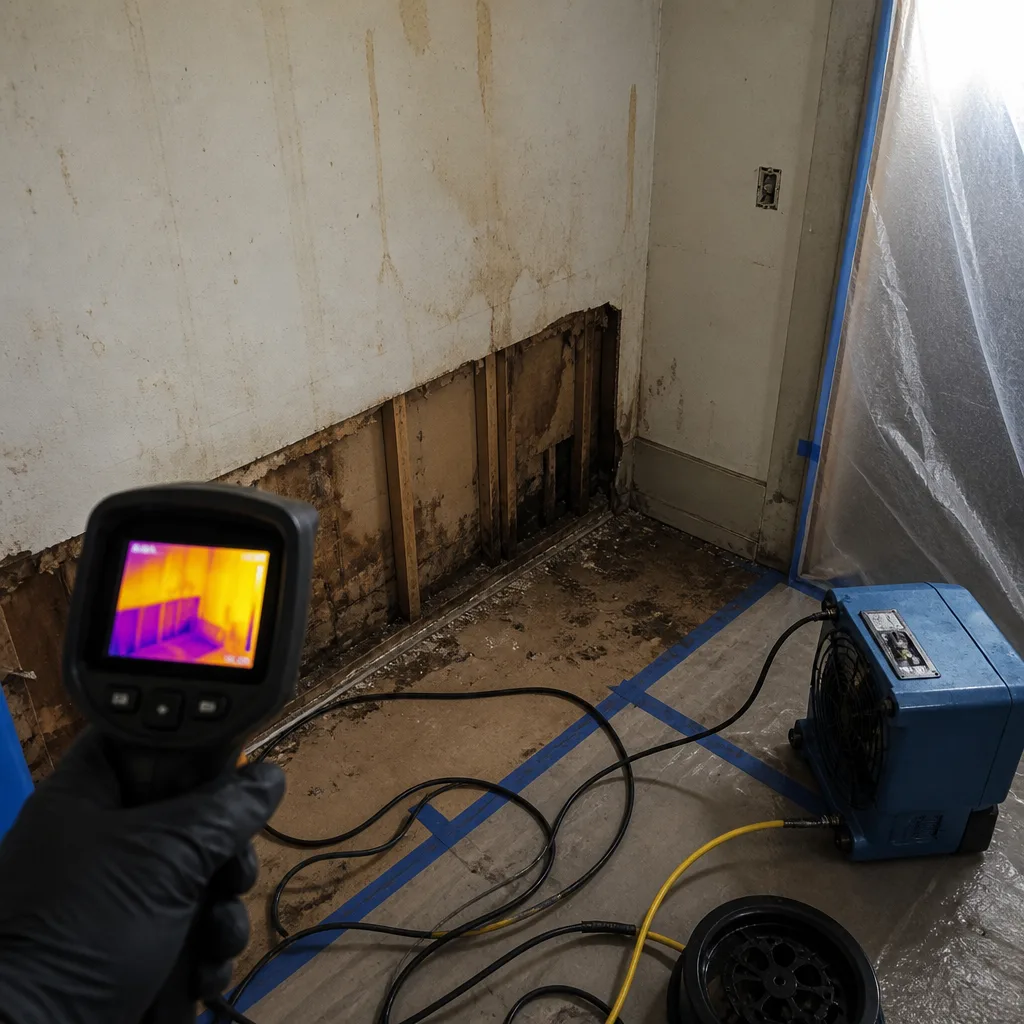 Before
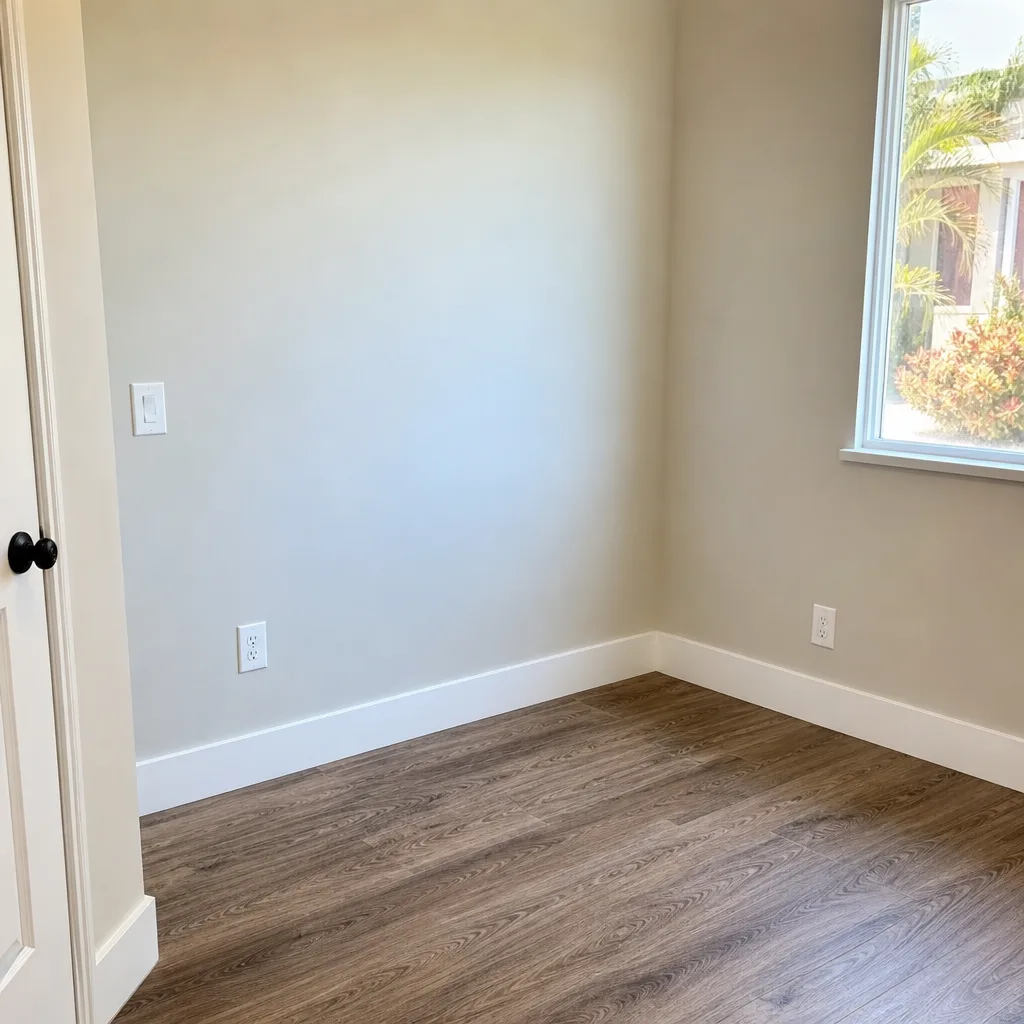 After
AfterFast, Reliable Water Damage Restoration Across Escondido
Water damage restoration in Escondido typically runs $2,800-$6,500 for a standard residential drying job, with emergency extraction and stabilization starting at $1,200-$2,400. Most Escondido homeowners see our crews within 60-90 minutes of calling (760) 691-2950, with dispatch coordinated from our San Diego office and crews already staged for the inland corridor. We’re familiar with the specific failure patterns that hit Escondido homes: Santa Ana wind damage to roof decking and soffits each fall, the fire-then-flood sediment flows that follow in burned hillside neighborhoods, and the aging galvanized supply lines in 1950s-1970s tract housing that corrode in this region’s hard water. Our Water Damage Restoration team documents every job to IICRC and RIA standards, with a written price before work begins and daily moisture logs that keep insurance claims moving.
Why DryMark Restoration Escondido Is Escondido’s Preferred Water Damage Restoration Company
We’ve restored homes from the historic downtown grid to the rural properties along Harmony Grove Road and the Hidden Meadows hills. Escondido customers consistently note our documentation in reviews - the photo records, the written scopes, the drying logs with actual psychrometric numbers. Our live phone coverage means no voicemail trees when water is still moving through your walls; a real person answers at (760) 691-2950, 24 hours a day, 7 days a week.
Response time to central Escondido neighborhoods like Old Escondido, Felicita, and the area around Washington Avenue averages under 75 minutes. For northeastern properties near San Pasqual Valley or up in Hidden Meadows, we’re typically on-site within 90-100 minutes. That’s not a promise we make lightly - it’s the difference between a contained extraction and a full structural drying job that adds thousands to the invoice.
Our local knowledge matters because Escondido’s damage profile differs from coastal San Diego’s. The 10-15°F inland heat differential accelerates mold colonization in wet cavities. The hard water corrodes plumbing differently. And the fire-then-flood cycle in burn-scar corridors means a “standard” water intrusion can carry ash-contaminated sediment requiring Class II waste disposal - a regulatory layer coastal contractors rarely encounter. We scope for this. We document for this. And we price it in writing before anyone starts work.
Our Water Damage Restoration Services in Escondido
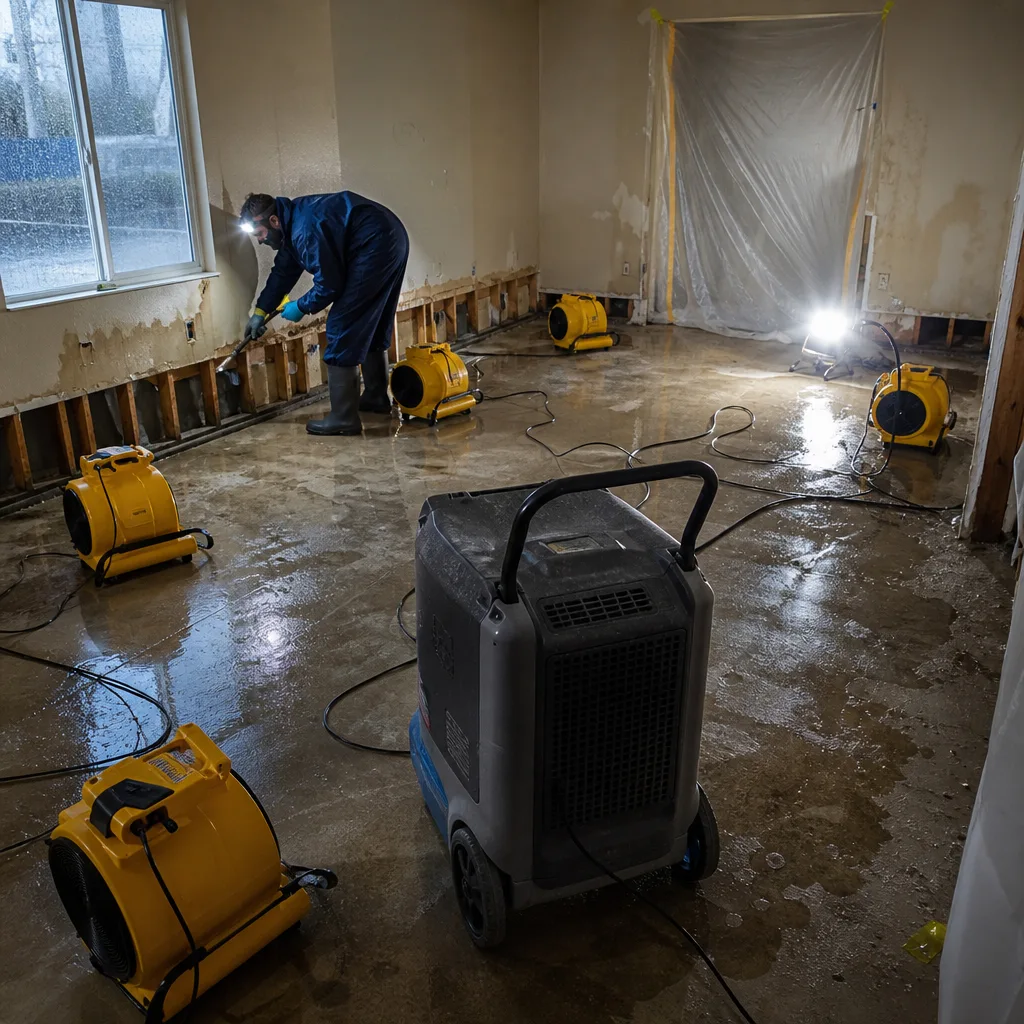
Emergency Water Extraction
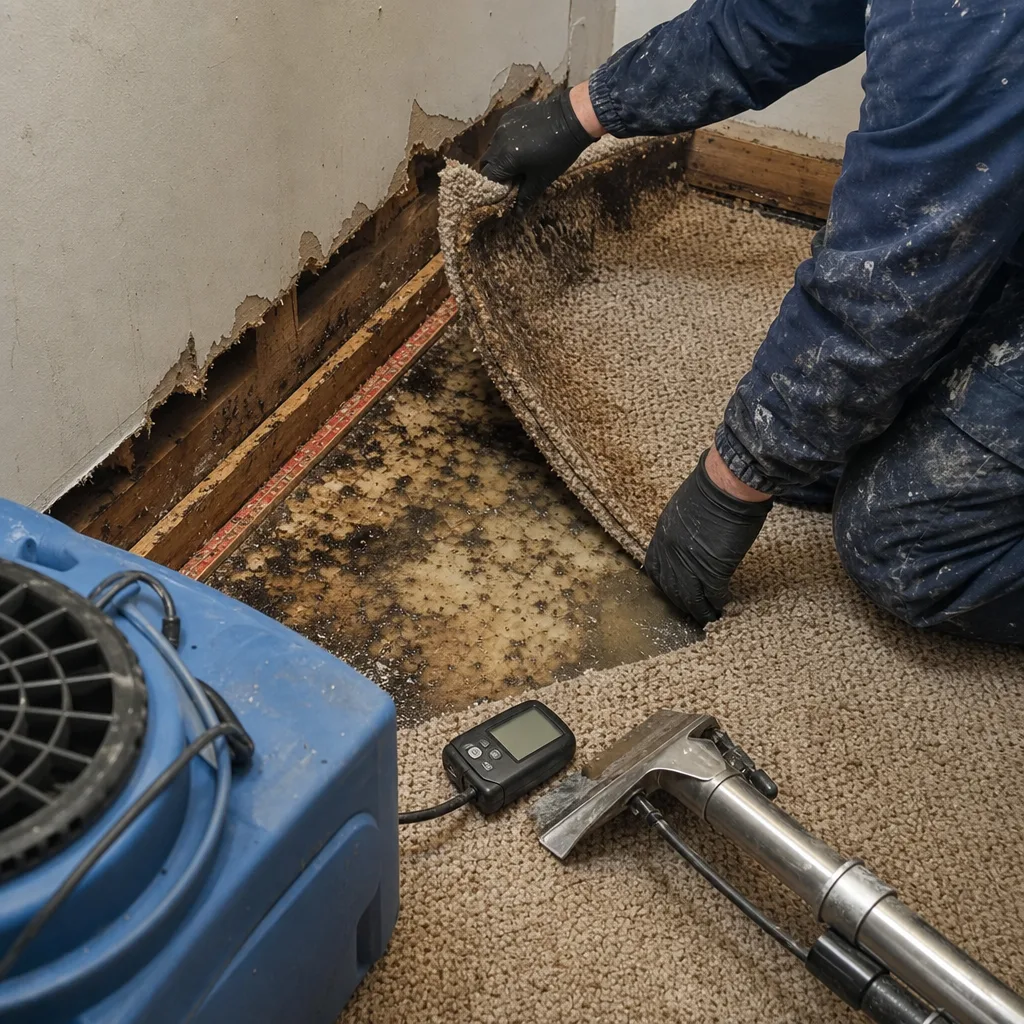
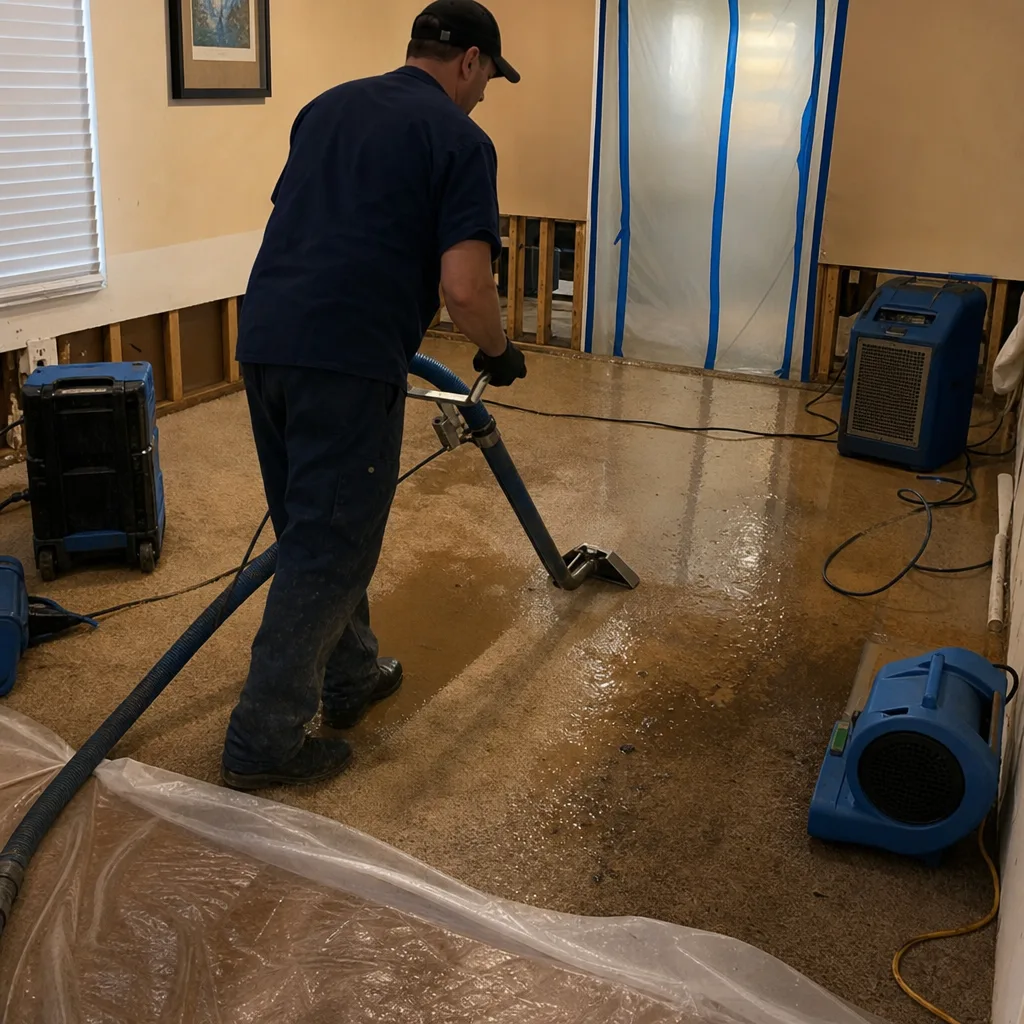
Standing water moves fast in Escondido’s heat. We deploy truck-mounted extraction systems and portable units from B-Air and XPOWER to remove water from slab, subfloor, and crawlspace environments within hours of arrival. Every extraction is photo-documented before, during, and after, with moisture readings taken at multiple depths to determine whether the subfloor requires additional drying or full removal. For homes near Escondido Creek or in the valley floor’s lower-lying tracts, we also assess whether groundwater intrusion or municipal backup contributed to the loss - this classification affects both disposal requirements and insurance coverage.
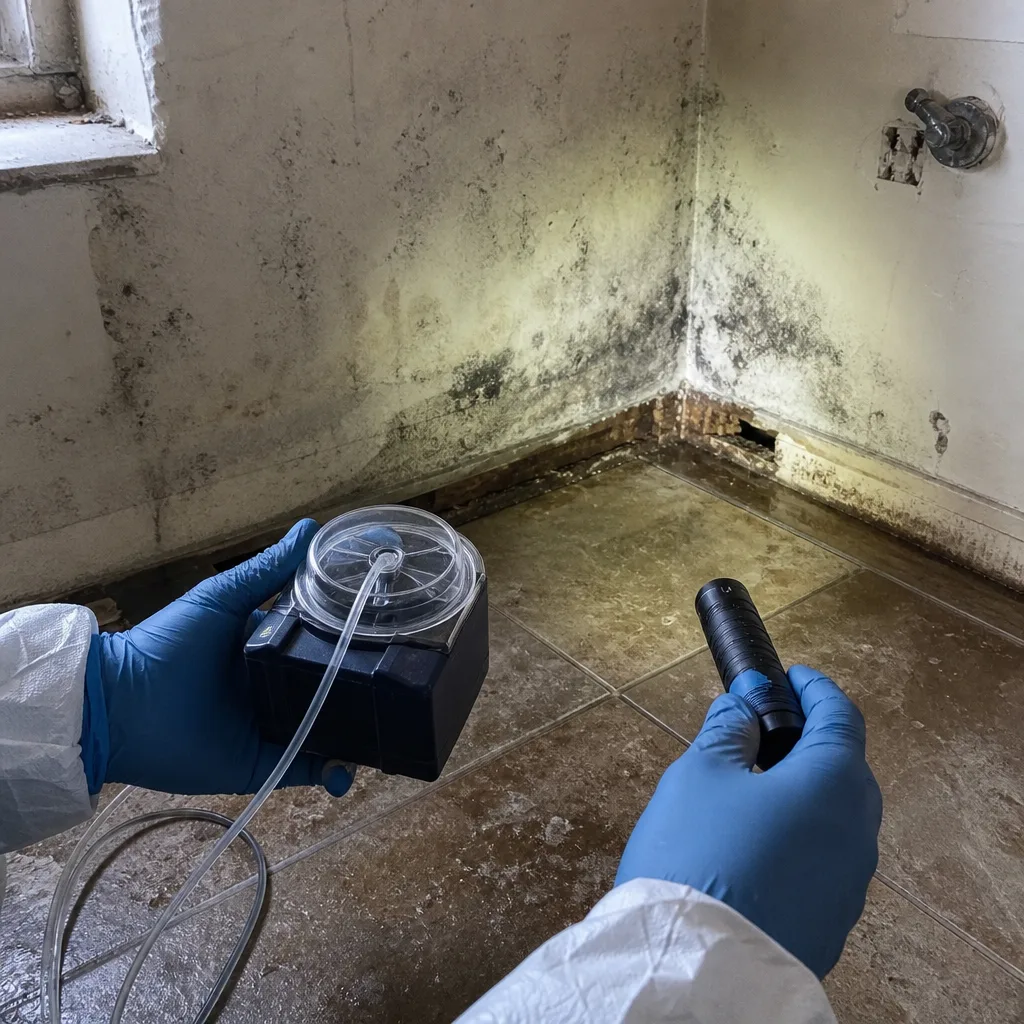
Structural Drying & Dehumidification
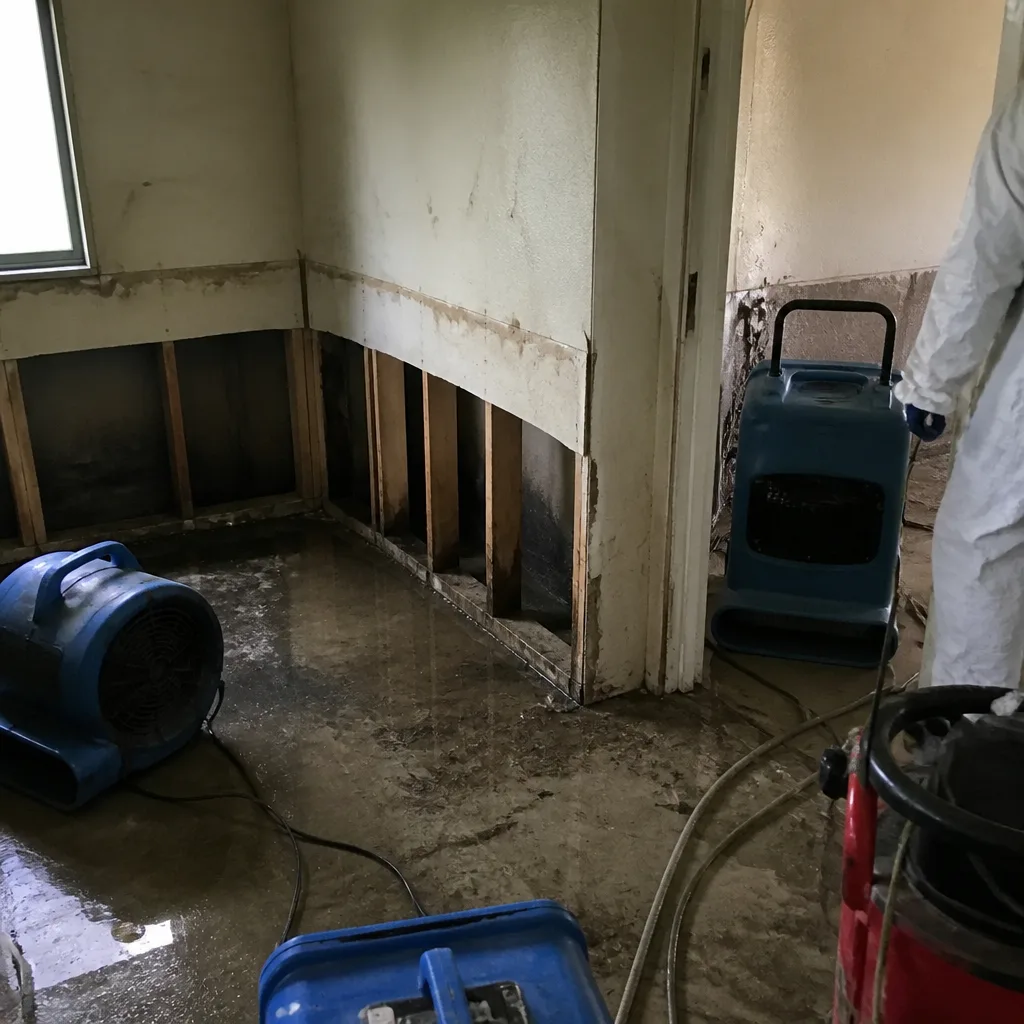
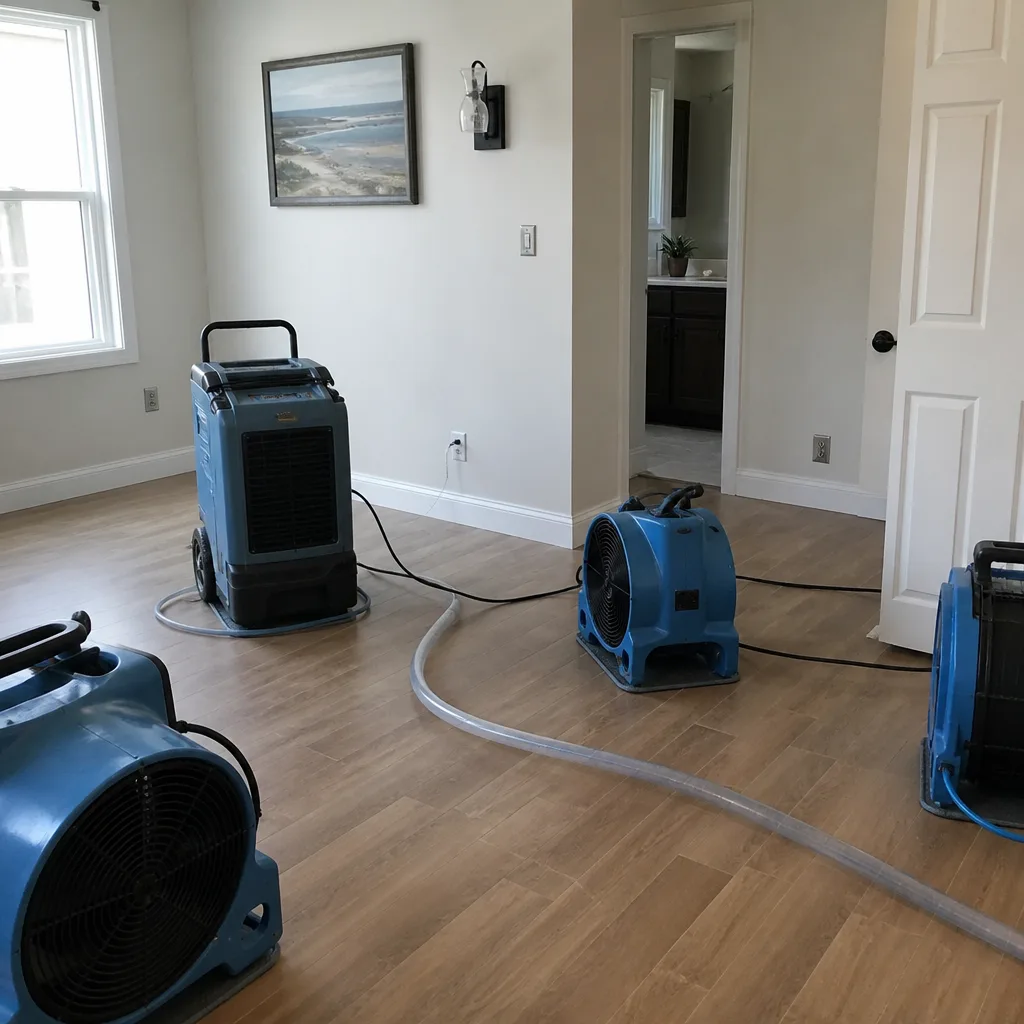
Escondido’s inland heat doesn’t mean structures dry faster - it means improperly dried cavities grow mold faster. We calculate vapor pressure differentials (the measurable force that moves moisture from wet materials into the air) and set targeted drying systems accordingly. Our crews use Dri-Eaz and Phoenix dehumidifiers paired with Injectidry cavity-drying systems for wall voids and ceiling spaces. Daily drying logs track specific humidity, temperature, and moisture content readings by room, with documentation formatted for direct adjuster submission. The Haven Standard, Clause 1: written price before work begins. No exceptions.
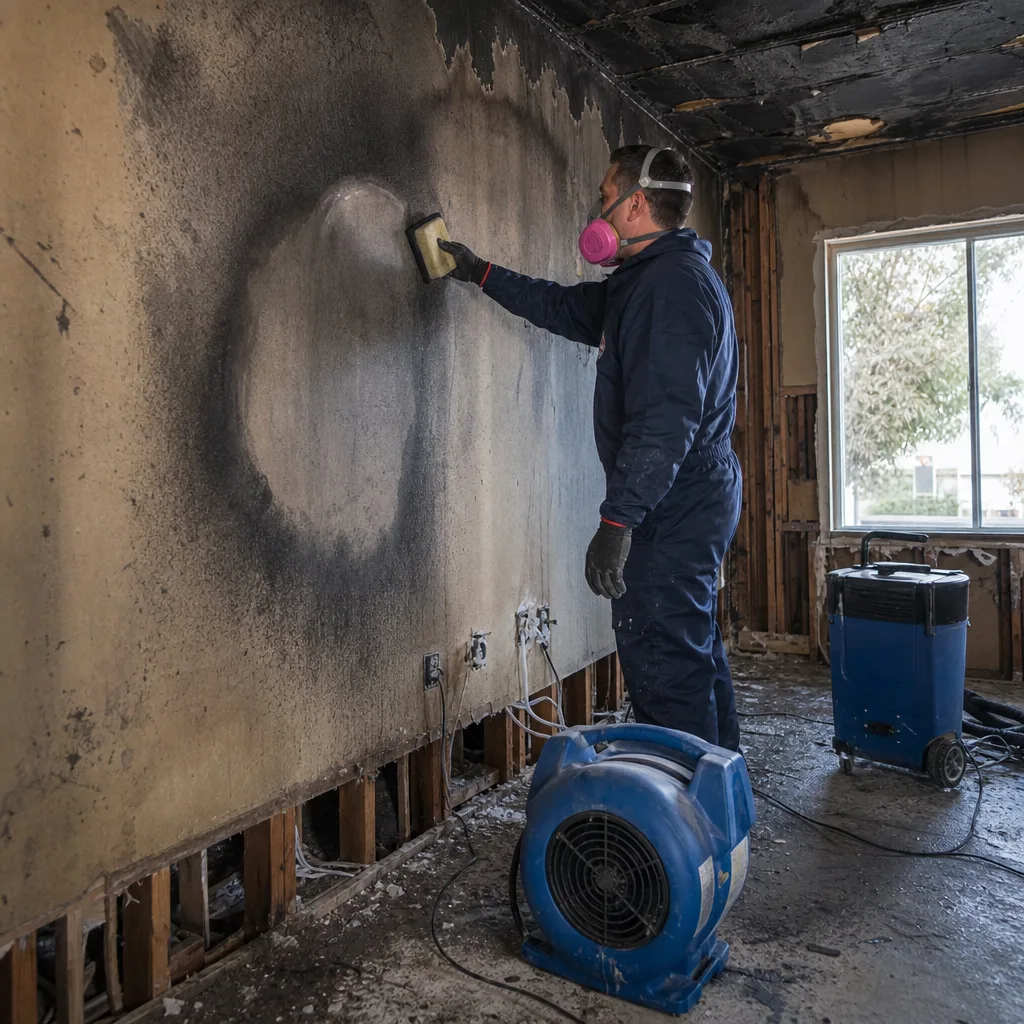
Flood Cleanup
Flood cleanup in Escondido carries unique complications that coastal San Diego doesn’t face. The surrounding hills, particularly in areas burned during the 2007 Witch Creek Fire, shed water rapidly when vegetation is stripped. Post-wildfire burn scars accelerate runoff dramatically, sending debris-laden flows into valley-floor neighborhoods that residents don’t consider flood-prone. In the Harmony Grove and San Pasqual Valley corridors, this sediment is often ash-contaminated, triggering California’s stricter Class II waste disposal rules rather than standard Category 2 water protocols. We test for this. We scope for this. And we document the waste stream separately so your claim reflects actual disposal costs, not an adjuster’s later denial for “unrelated” waste fees.
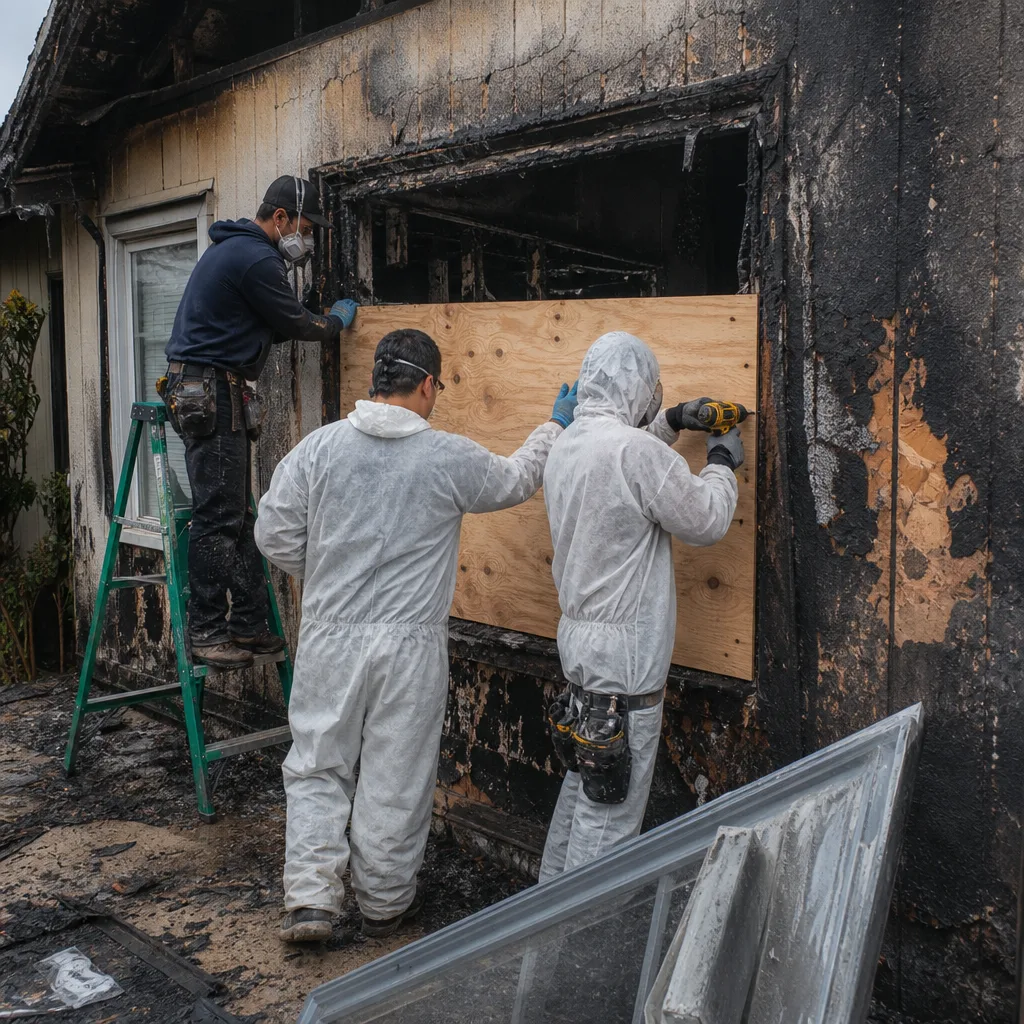
Burst Pipe Restoration
Escondido’s 1950s-1970s tract neighborhoods - dense developments throughout the city - frequently retain original galvanized supply lines that pit and corrode in this region’s notoriously hard water. A single burst pipe often signals systemic failure, not an isolated event. Our burst pipe restoration includes pressure testing of remaining line segments, documentation of corrosion patterns, and written recommendations for partial or full repiping where warranted. We won’t scope a one-time repair when the data shows a recurring failure mode. That’s Haven Standard practice: say what was found, show the readings, price the real fix.
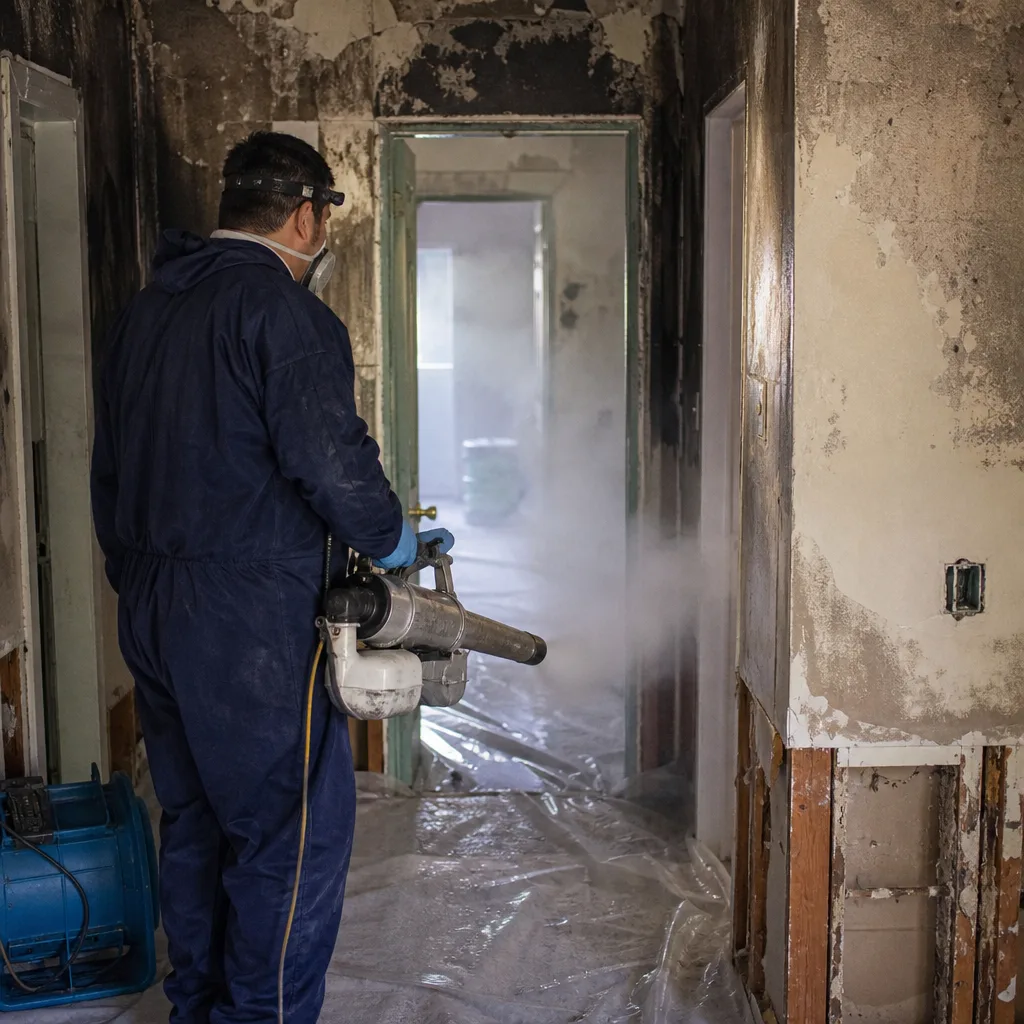
Ceiling & Roof Leak Water Damage
Every fall, Santa Ana winds channel through Escondido’s surrounding hills with force that coastal San Diego doesn’t experience. Roof decking lifts. Soffits tear. Fence lines topple into structures. Each of these is an active water-intrusion point that turns the first winter storm into a ceiling-and-wall leak claim. We see this pattern annually in neighborhoods from Old Escondido up through Felicita and into the hillside tracts. Our ceiling and roof leak response includes moisture mapping of affected cavities, containment to prevent secondary damage, and structural drying with documented pre-loss condition targets. We also photograph wind damage to roofing components for concurrent insurance submission - many Escondido homeowners carry separate wind deductibles or coverage endorsements that adjusters need documented at the time of loss.
Basement Water Removal
True basements are rare in Escondido’s housing stock, but partial daylight basements and converted crawlspaces appear in some hillside builds. We extract, assess structural integrity against hillside hydrostatic pressure, and dry to IICRC S500 standards with the same documentation package applied to full basement jobs elsewhere in our service area.
What happens when you call
- 1
A real person answersNo phone trees - you reach a local pro.
- 2
You get an upfront price rangeHonest numbers before anyone is dispatched.
- 3
A background-checked tech heads outLicensed & insured, dispatched right away.
- 4
You approve before work beginsNothing starts until you say go.
BeforeAfterTrusted Brands We Service in Escondido
Our equipment inventory includes professional-grade drying systems from Dri-Eaz, Phoenix, and B-Air - brands specified by major Escondido-area insurers and preferred vendor programs. We stock Injectidry cavity-drying components locally for same-day deployment on ceiling and wall-void jobs. This matters when a Santa Ana wind event has opened multiple homes in a neighborhood and equipment availability across San Diego County tightens. Our San Diego office maintains reserve inventory specifically for inland corridor surge events. Every machine’s output is calibrated and documented to IICRC, RIA, and IFA standards, with serial numbers logged to your job file for adjuster traceability.
Common Water Damage Restoration Problems We See in Escondido Homes
- Fall Santa Ana wind damage initiating winter leaks. Roof decking, soffits, and fence lines damaged in October-November wind events become water intrusion points during the first December-February storms. Homeowners who treated these as cosmetic repairs in fall face compounded ceiling-and-wall damage by January.
- Fire-then-flood sediment in burn-scar corridors. Homes in Harmony Grove and San Pasqual Valley rebuilt after the 2007 Witch Creek Fire sit below slopes where native scrub still hasn’t fully recovered. First significant rain after even moderate brush fire pushes ash-contaminated sediment into garages and crawlspaces - legally Class II waste, not standard flood water.
- Galvanized supply line corrosion in mid-century tracts. Escondido’s 1950s-1970s neighborhoods with original plumbing experience recurring pinhole leaks and full bursts as hard water accelerates internal corrosion. One burst pipe often indicates systemic failure requiring repiping scope, not patch repair.
- Inland heat accelerating mold colonization in undetected leaks. Escondido’s 10-15°F temperature differential from coastal San Diego means a slow leak behind a wall can reach actionable mold levels days faster than adjusters or homeowners expect. Early moisture mapping prevents secondary remediation costs.
Pricing for Water Damage Restoration in Escondido, CA
Escondido water damage restoration pricing reflects inland labor rates, equipment transport from our San Diego staging facility, and the specific complexity of local jobs - particularly fire-then-flood sediment disposal and rural property access.
| Service | Typical Range in Escondido |
|---|---|
| Emergency water extraction (up to 1,500 sq ft) | $1,200 - $2,400 |
| Structural drying & dehumidification (3-5 day standard) | $2,800 - $6,500 |
| Flood cleanup with standard disposal (Category 2) | $3,500 - $8,000 |
| Flood cleanup with Class II waste disposal (ash-contaminated sediment) | $5,500 - $12,000 |
| Burst pipe restoration (extraction, drying, repair) | $2,200 - $5,800 |
| Ceiling & roof leak water damage (extraction, drying, containment) | $1,800 - $4,500 |
What moves a job toward the higher end: multiple affected levels, hardwood or specialty flooring requiring tent-and-dry systems, Category 3 (sewage-contaminated) water classification, or Class II waste streams requiring manifest documentation. What keeps costs controlled: fast extraction call, contained area, and no secondary mold growth requiring remediation scope addition. Every Escondido job receives a written price before work begins - Haven Standard, Clause 1 - with no scope-creep additions once our crew is inside. Call (760) 691-2950 for your exact quote; estimates are free, and we provide a Free Second Opinion on any competitor’s written estimate.
We Also Serve Cities Near Escondido
Our crews work the full inland North County corridor, including Water Damage Restoration in Escondido and surrounding communities: San Marcos to the west, Poway to the south, Valley Center to the northeast, and Vista to the northwest. Dispatch is coordinated from our San Diego office with crews staged for Escondido response. Each city page details local conditions specific to that market - no templated copy.
Serving Escondido, CA - Our Local Coverage Area
We’re based in the Escondido area and know this community well. Use the map below to see our service coverage - if you’re nearby, we can almost certainly help.
FAQs - Water Damage Restoration in Escondido
Santa Ana winds channel through Escondido’s surrounding hills with concentrated force each October and November, lifting roof decking, tearing soffits, and damaging fence lines that then impact structures. These wind-damaged components become active water intrusion points during the first winter storms, typically December through February. The pattern is predictable enough that we recommend pre-season roof and soffit inspection for hillside properties. Call (760) 691-2950 to schedule documentation of existing conditions before wind season - it strengthens insurance claims if damage occurs.
Yes. Sediment that enters homes in the Harmony Grove and San Pasqual Valley corridors after fire damage to surrounding slopes is legally classified as Class II waste under California regulations, not standard Category 2 flood water. This ash-contaminated material cannot be dried in place or disposed of through normal channels. Crews who miss this distinction and treat the job as routine flood cleanup expose homeowners to regulatory liability and insurance denial for undisclosed waste costs. We test sediment composition, document the waste stream separately, and price Class II disposal in the initial written scope.
Within 24 hours, and preferably same-day. Escondido’s inland heat accelerates mold colonization in wet crawlspaces - temperatures in Hidden Meadows and similar hillside areas regularly exceed coastal San Diego by 10-15°F, shortening the safe response window. Additionally, many Hidden Meadows properties use private wells and septic systems, complicating both leak-source diagnosis and gray-water disposal during remediation. Our field teams carry portable extraction and drying equipment sized for limited-access crawlspaces, with moisture targets established against the specific subfloor materials common in these builds.
Category 2 water contains significant contamination and has the potential to cause discomfort or sickness if contacted or consumed - this includes dishwasher discharge, washing machine overflow, and groundwater intrusion without sewage. Category 3 water is grossly contaminated and can contain pathogenic, toxigenic, or other harmful agents - sewage backup, rising flood water from rivers or streams, and wind-driven rain from hurricanes or tropical storms. In Escondido, the fire-then-flood cycle in burn-scar areas can push Category 2 water into Category 3 territory when sediment carries chemical contaminants from burned structures. We classify on-site using IICRC S500 protocols, document the rationale, and adjust scope and disposal methods accordingly. Insurance coverage and deductible applications often differ by classification, so accurate initial documentation protects your claim.
Yes. The 1950s-1970s tract neighborhoods throughout Escondido frequently retain original galvanized steel supply lines that pit and corrode internally in this region’s hard water. A visible burst is often the final failure of a line that’s been leaking at pinholes for months or years. We pressure-test remaining segments, document corrosion with borescope photography, and provide written recommendations for partial or full repiping where the data supports it. Scoping a one-time repair when the plumbing is systemically failing violates Haven Standard practice - we’d rather price the real fix upfront than return six months later for the next burst. Call (760) 691-2950 for a written assessment; estimates are free.
Written by Alicia Brennan, Owner at Back to Dry Restoration, serving Escondido and the inland North County corridor since 2011.