
Last updated September 23, 2026
Free visual inspection and a written scope of work before any mitigation begins - photos, moisture readings, and drying logs go in your claim file
The scope we write is the scope we bill. Anything new gets shown to you, in writing, before we touch it.
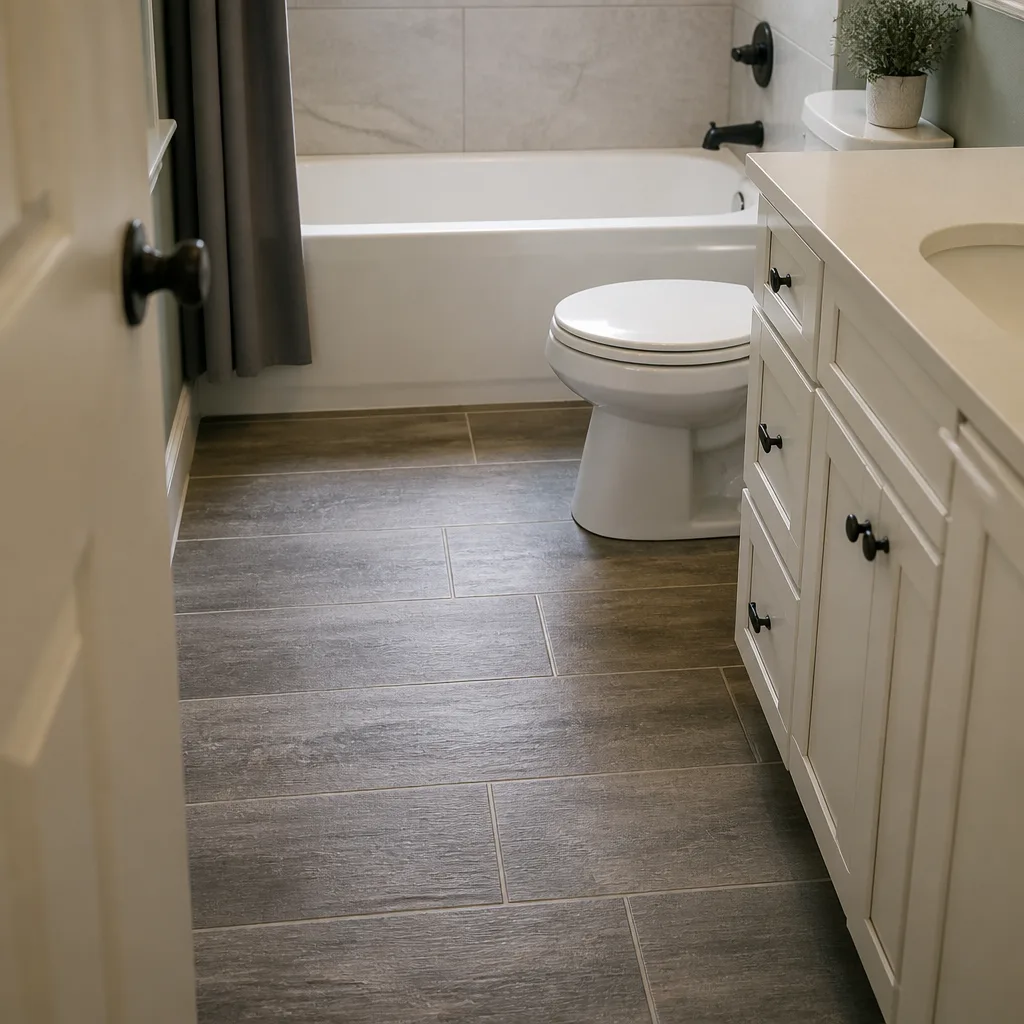
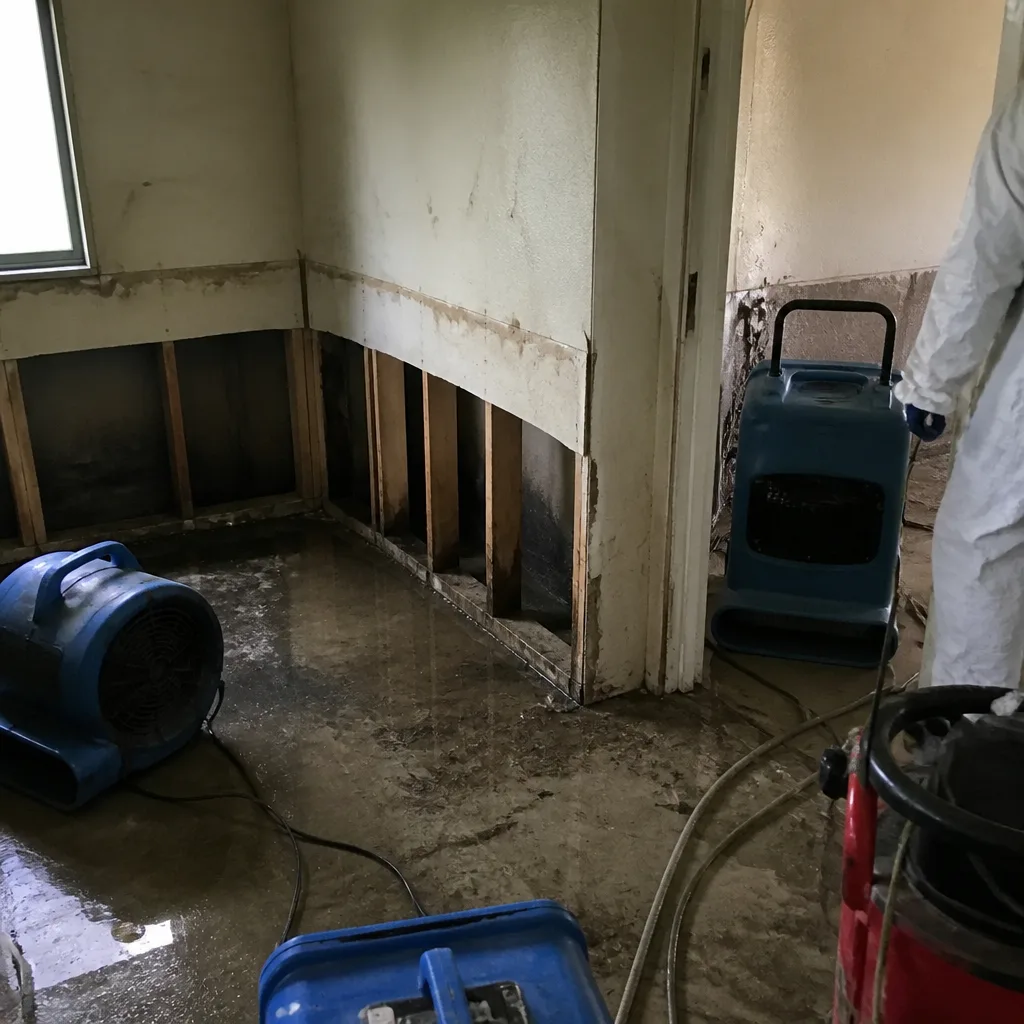 Before
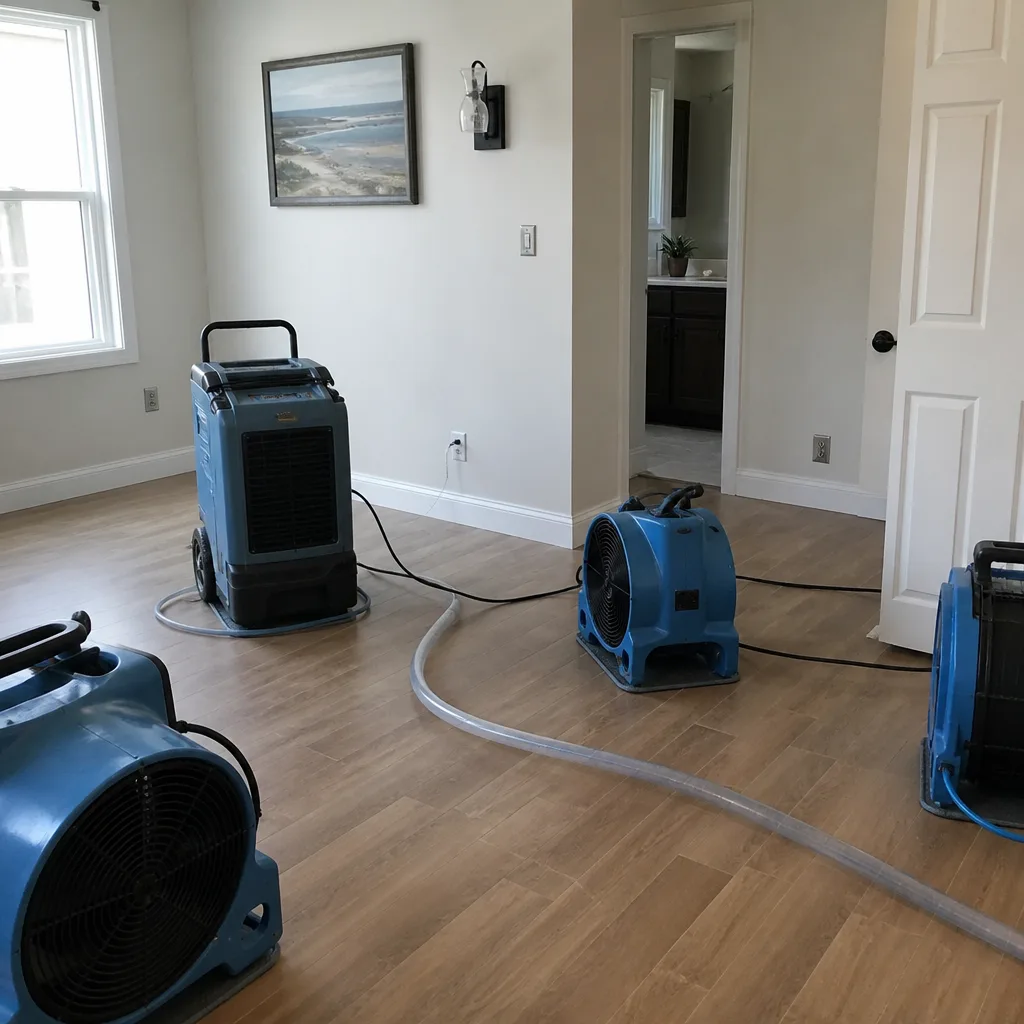 After
After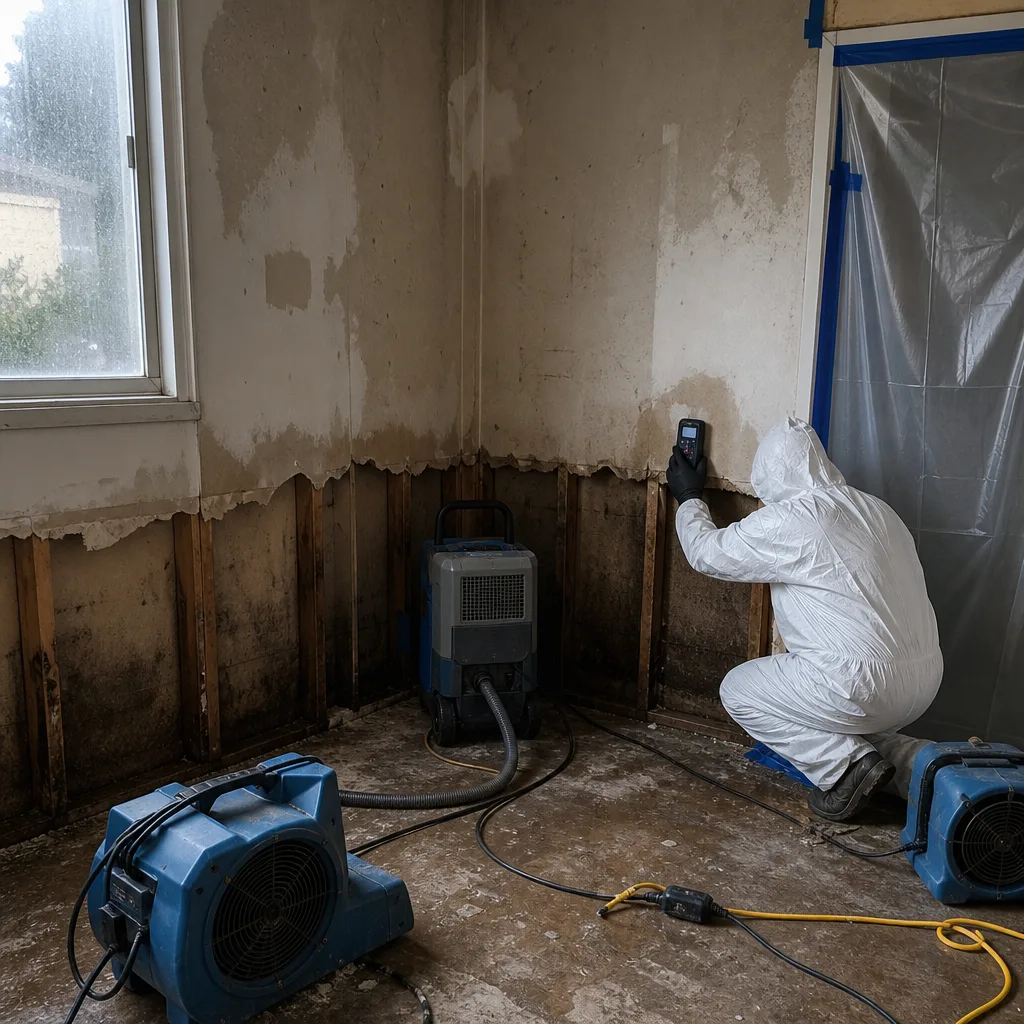 Before
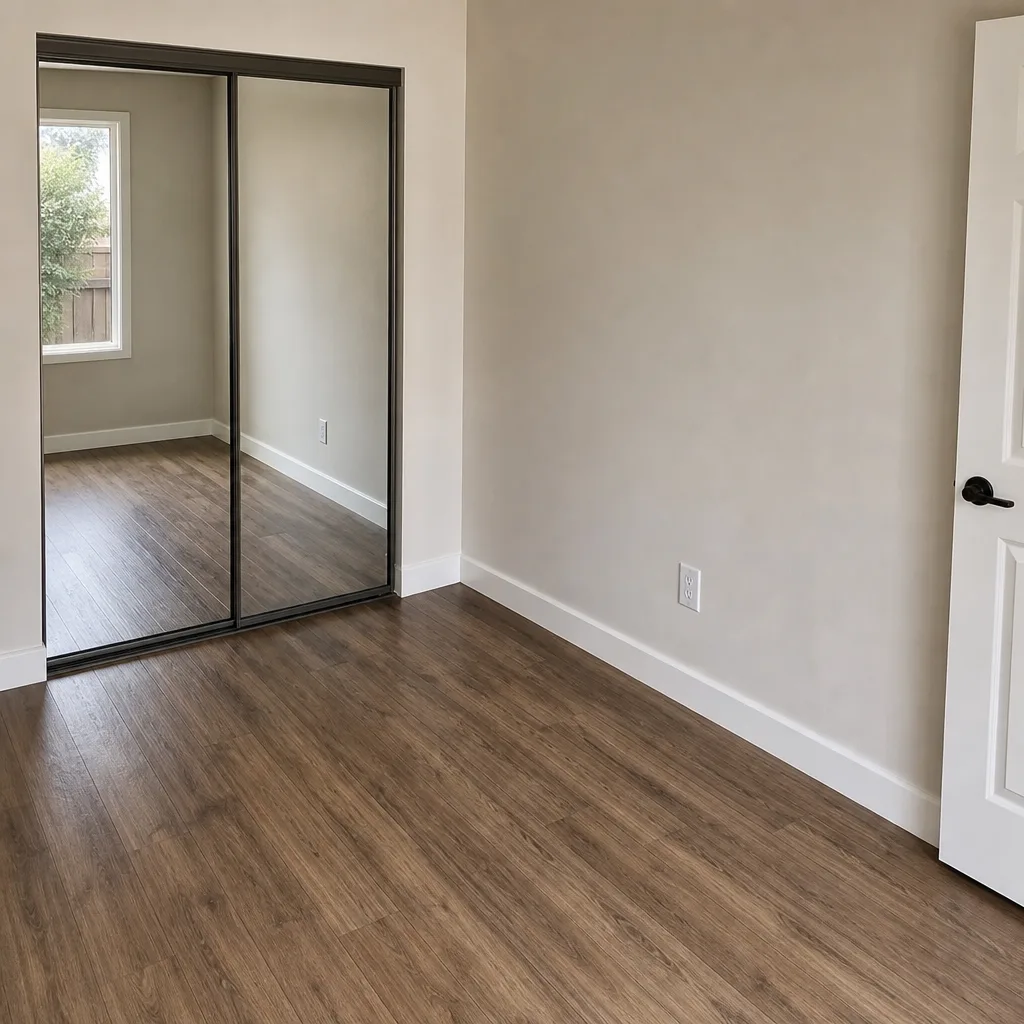 After
After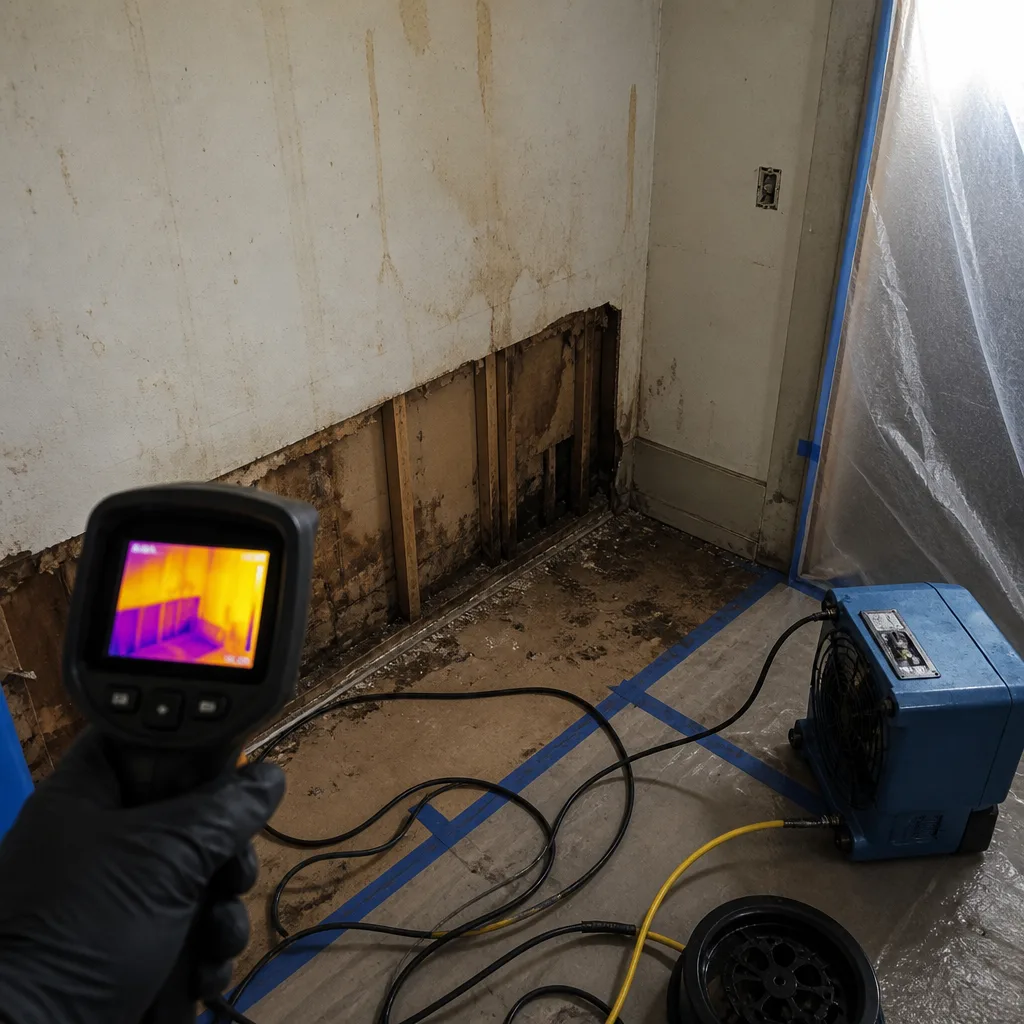 Before
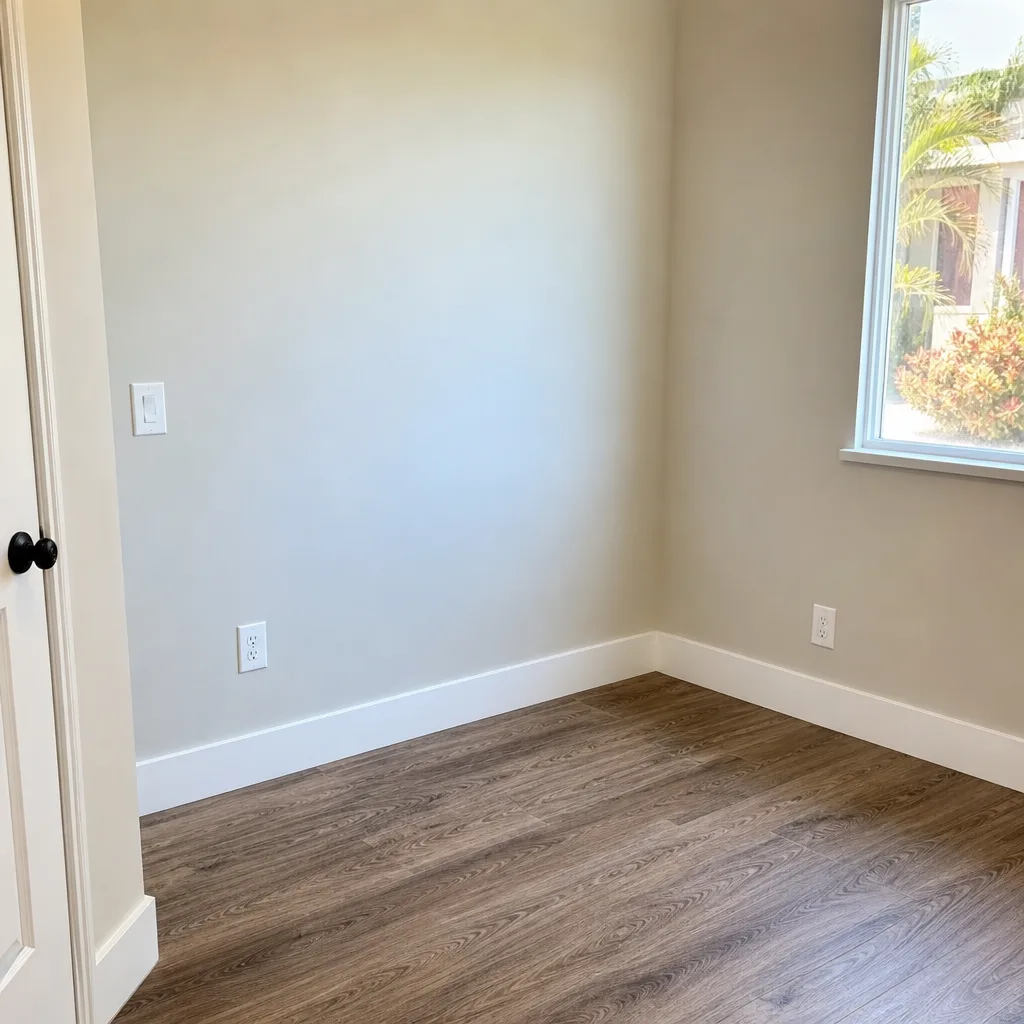 After
AfterThe Complete Guide to Damage Restoration in Escondido
A restoration job with no daily moisture logs is, from an adjuster’s desk, indistinguishable from a job that was never finished. Escondido homeowners are eating those denied supplements every year, not because the work was sloppy, but because the paperwork gap between what a contractor did and what an insurer can verify swallowed the claim whole. This guide maps every phase of restoration to the specific records that close that gap. You’ll learn what documentation matters at each stage, how Escondido’s inland climate affects drying strategy, and the one document that adjuster reviewers look for first when auditing a large water claim in San Diego County.
Quick Answer
Damage restoration in Escondido is the documented process of returning a property to pre-loss condition after water, fire, mold, storm, or biohazard damage. A properly managed restoration produces four deliverables: a written scope before work begins, a photo record on every visit, daily moisture logs with timestamps, and a signed warranty. Without these records, insurers routinely deny 15-40% of claimed costs as unverifiable.
Table of Contents
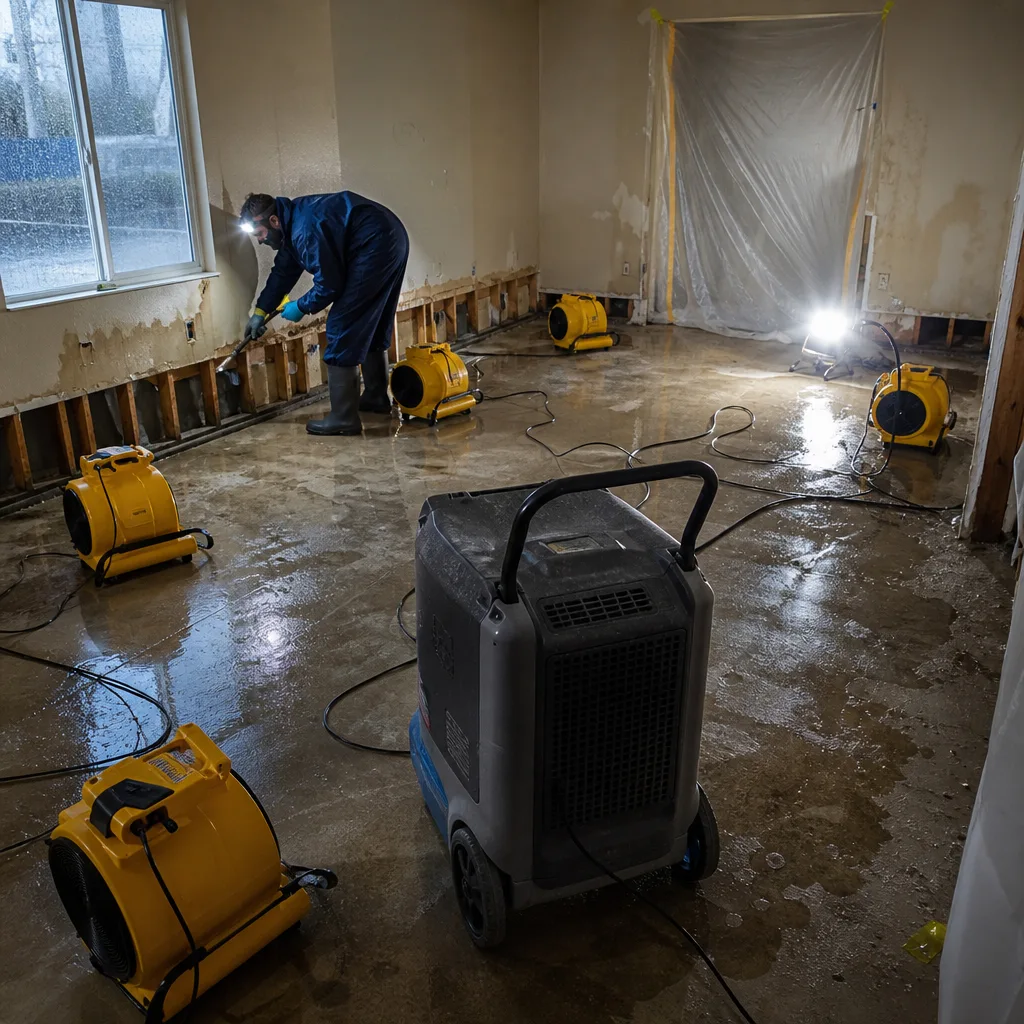
- The Mitigation Phase: What Must Be Documented in the First 24 Hours
- The Drying Phase: Why Escondido’s Climate Tricks Contractors
- The Demolition Phase: Scope Creep Starts Here
- The Rebuild Phase: The Invoice Most Homeowners Don’t Challenge
- The Insurance Gap: Mitigation vs. Reconstruction
- The Phase-by-Phase Documentation Checklist
- How to Use a Written Scope to Compare Contractors
- Common Mistakes to Avoid
- When to Call a Professional
- Frequently Asked Questions
BeforeAfterThe Mitigation Phase: What Must Be Documented in the First 24 Hours
Mitigation is emergency stabilization. It is not repair, and it is not optional. In Escondido, where summer temperatures regularly hit 95°F and winter lows dip to 38°F, water behaves differently than on the coast. Hot, dry air accelerates surface evaporation while driving moisture deeper into subfloors and wall cavities. A contractor who reads ambient humidity alone and calls a job dry is missing the vapor pressure differential, the measurable force that pushes moisture from wet materials into the air. That differential must be tracked with psychrometric data, temperature and relative humidity readings plotted against a drying curve, to prove the structure is actually dry rather than merely feeling dry.
We arrive with water damage restoration in Escondido calls within 90 minutes when possible. The first documentation set includes:
- Moisture readings at every affected material, recorded by room, with the meter type and scale noted (pin, pinless, or thermo-hygrometer)
- Photos of the water source, migration pattern, and visible damage before any equipment is placed
- A written scope stating exactly what will be extracted, what will be removed, and what equipment will be deployed
- The customer’s signature on that scope before any work begins
Haven Standard, Clause 1: written price before work begins. No exceptions. A homeowner who signs a blank authorization or a “not to exceed” estimate without a fixed scope has surrendered the documentation battle before it starts. We’ve reviewed competitor estimates where the mitigation line item simply read “dry structure” with no square footage, no equipment count, no drying day projection. An adjuster cannot pay what they cannot verify.
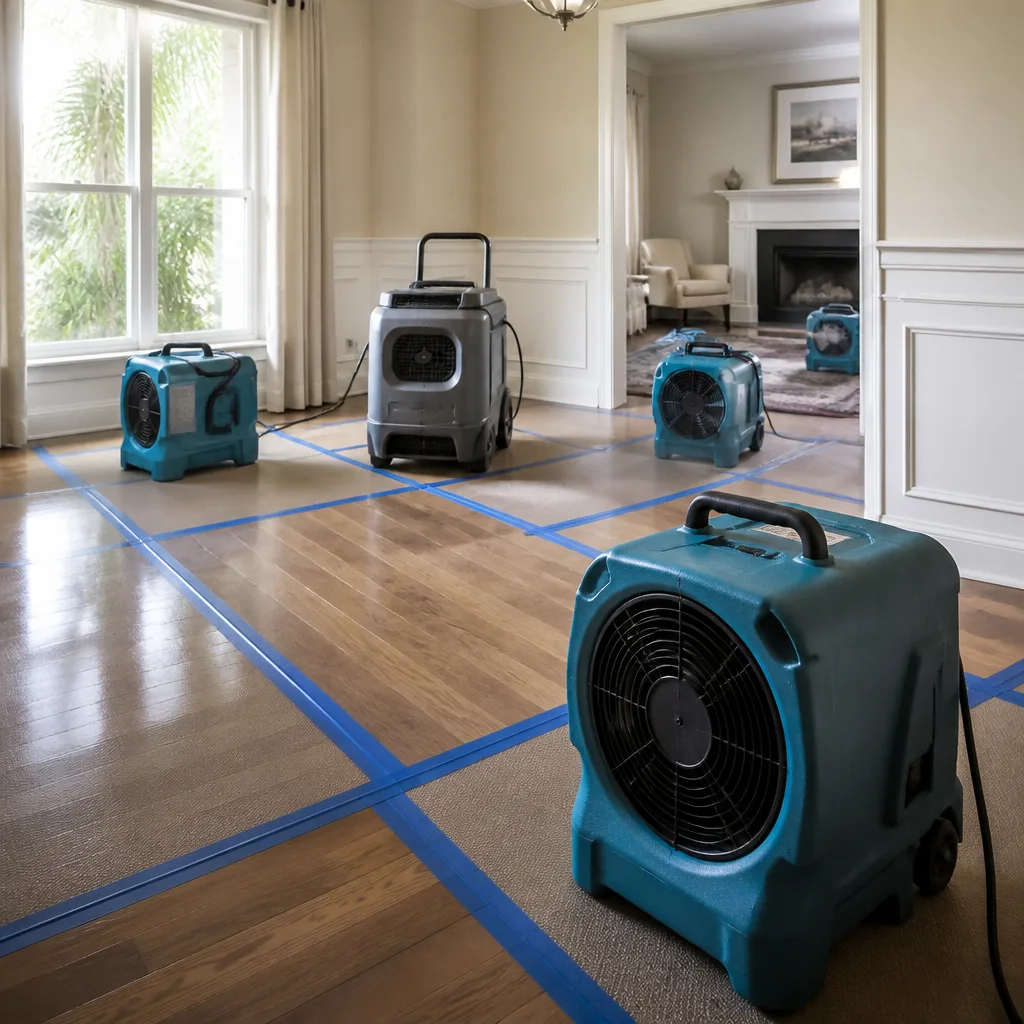
The equipment deployed matters for documentation too. We use professional-grade drying systems from Dri-Eaz, Phoenix, and B-Air, each unit logged by serial number and placement location. Injectidry systems for hardwood and specialty drying are noted separately with their specific application. This equipment log becomes part of the invoice, and the invoice becomes part of the claim file.
The Drying Phase: Why Escondido’s Climate Tricks Contractors
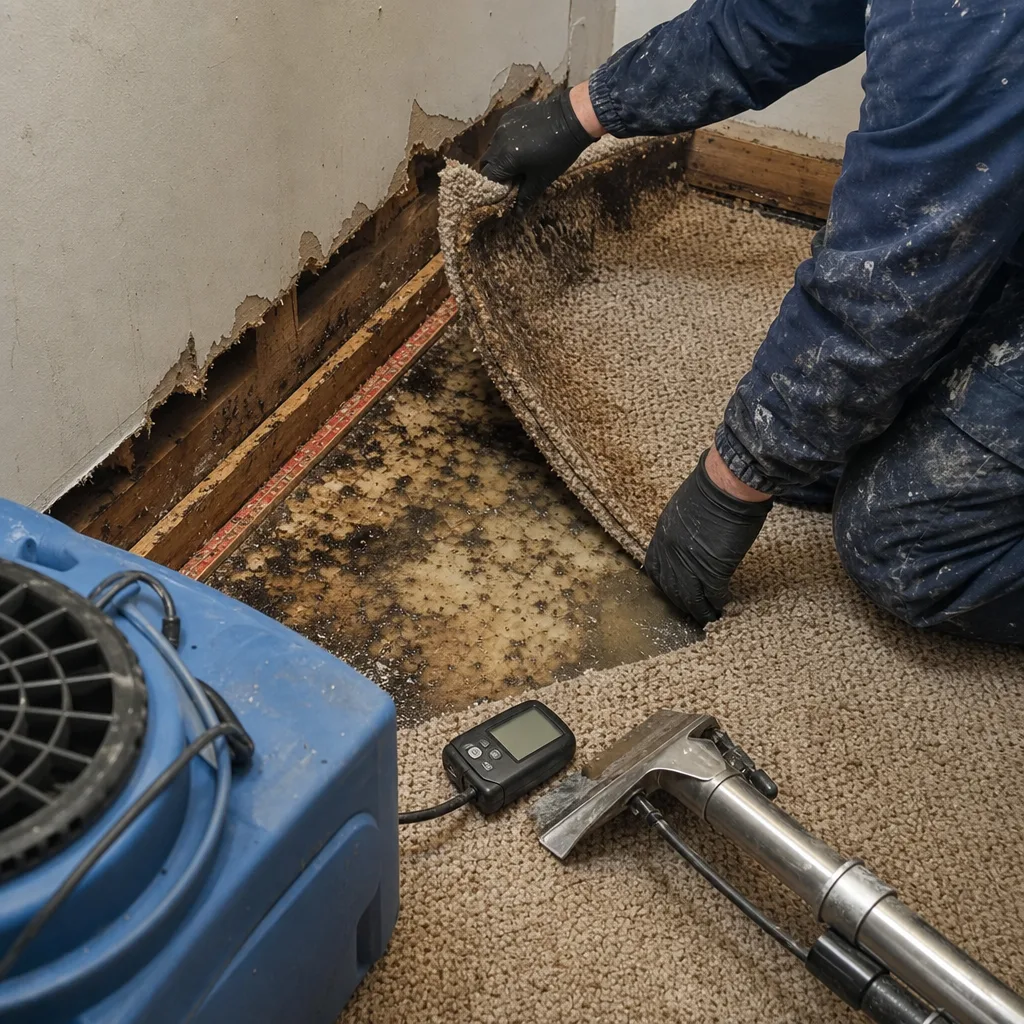
Escondido sits 15 miles inland from the Pacific, behind the coastal hills that trap heat and block marine influence. Relative humidity here averages 15-25 points lower than coastal San Diego in summer. That sounds like good news for drying, and it is, until a contractor misreads it.
Low ambient humidity accelerates surface evaporation. A drywall face can read dry on a pinless meter while the cavity behind it holds 80% moisture content. Pull the equipment too early, based on surface readings alone, and trapped moisture breeds mold, warps hardwood, and destroys the structural integrity the insurer already paid to preserve. The contractor who saved a day of rental cost just created a secondary damage claim the original insurer may deny as unrelated.
Proper drying documentation in Escondido requires:
- Daily moisture readings at the same mapped points, with timestamps
- Psychrometric data: temperature, relative humidity, and dew point at the dehumidifier intake and at the wettest material
- Equipment adjustments logged: when an air mover was added, when a dehumidifier was downsized, when Injectidry hoses were repositioned
- A “dry standard” reference: moisture readings from an unaffected area of the same structure, establishing what “normal” means for this specific building
Tertiary drying, the final phase where materials approach equilibrium with their environment, is where most documentation fails. The daily log shows readings dropping from 60% to 20% moisture content over five days, then flatlining at 18% for three more. A contractor without patience or documentation discipline removes equipment at day five. A contractor working to IICRC and RIA standards keeps logging until the material meets or beats the dry standard, then documents the final reading with a photo of the meter display.
This is the room-by-room drying log with timestamps that adjuster reviewers look for first when auditing a large water claim. It is the difference between a paid supplement and a denied one.
The Demolition Phase: Scope Creep Starts Here
Demolition is where restoration invoices balloon and where documentation discipline matters most. A square foot of wet drywall removal is verifiable. “Remove damaged materials as needed” is not.
In Escondido’s older neighborhoods, particularly around Old Escondido Historic District and the homes built before 1980 in the hills above Daley Ranch, demolition encounters materials no longer in common use: lath and plaster, asbestos-containing joint compound, lead-painted trim. Each requires specific documentation: test results, abatement protocols, disposal manifests. A contractor who tears into these without documentation creates liability the homeowner inherits and the insurer may refuse to cover.
The written scope before demolition must specify:
- Exact rooms and dimensions of material to be removed
- Material type and classification (Category 1, 2, or 3 water; Class 1-4 damage per IICRC standards)
- Disposal method and any hazardous material handling
- Protection measures for unaffected areas
- Reconstruction timeline and who performs it
Haven Standard, Clause 1 applies with particular force here. Demolition without a written scope is an open-ended authorization. We’ve seen Escondido homeowners billed for entire kitchen removals when the water damage was limited to a single cabinet toe-kick. The scope, signed before the first pry bar swings, prevents this.
Photo documentation during demolition is equally critical. Before, during, and after photos of each affected area create a visual record that supports the invoice line items. A photo of a moisture meter reading 45% on a stud before removal justifies the removal. A photo of the same stud at 12% after drying justifies that the drying worked, or didn’t, before demolition was chosen.
The Rebuild Phase: The Invoice Most Homeowners Don’t Challenge
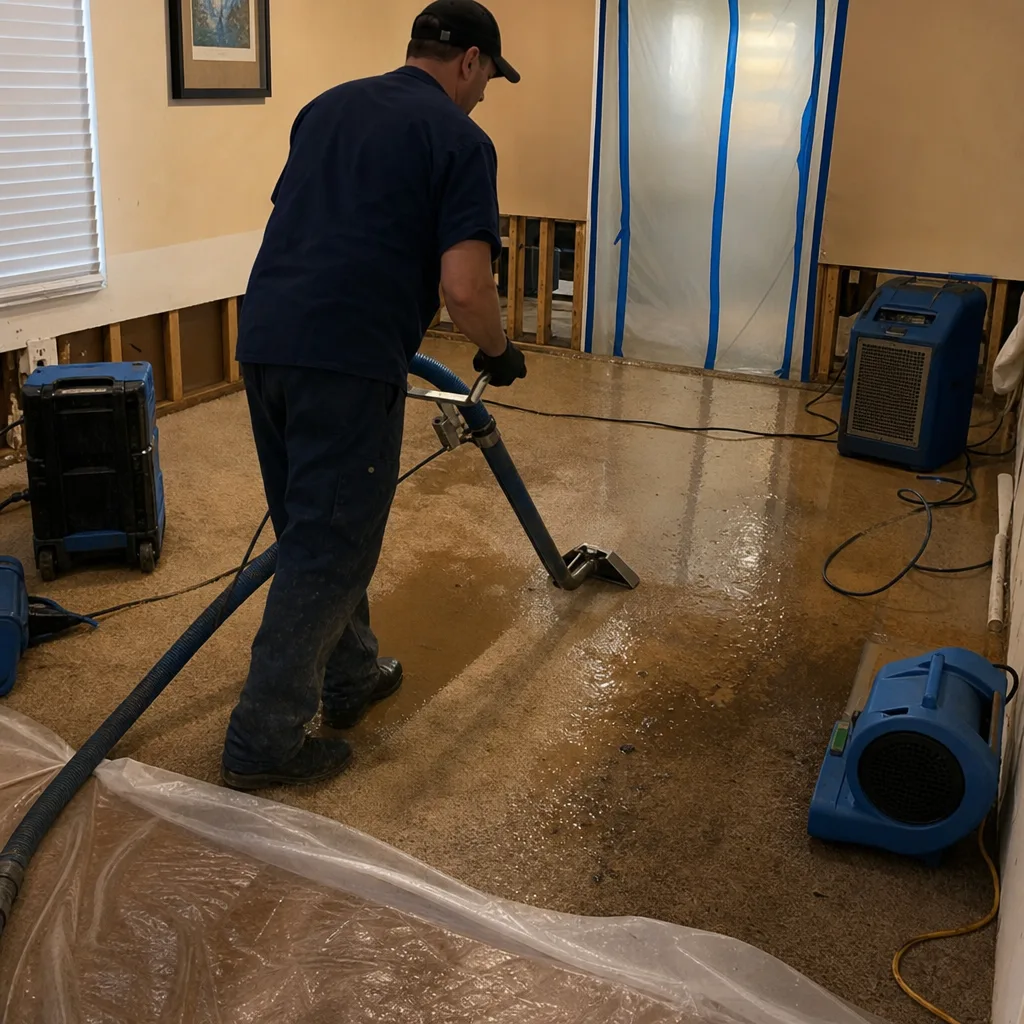
Reconstruction is not mitigation. This distinction matters for documentation, pricing, and insurance coverage. Mitigation is emergency work to prevent further damage. Reconstruction is the return to pre-loss condition. They require different scopes, different pricing structures, and different documentation standards.
A reconstruction scope in Escondido must account for local conditions: the Santa Ana winds that stress exterior repairs, the clay-heavy soils in the Hidden Meadows area that shift foundations and crack fresh drywall, and the permit requirements covered in our Damage Restoration Permits, Codes & Inspections in CA: What You Need to Know guide. A scope that ignores these factors produces callbacks, warranty claims, and disputed invoices.
The documentation standard for reconstruction includes:
- A line-item scope with material specifications by brand and model where relevant
- Permit applications and approvals, with inspection dates
- Progress photos at rough-in, insulation, and final walk-through
- Change orders in writing, with customer signature, for any deviation from the original scope
- Final punch list, signed by customer, before final payment
Our 365-Day Done Right Promise, backed by The Haven Standard, applies to reconstruction specifically. If a paint line shows at six months where new drywall met old, if a floor transitions unevenly, if a cabinet doesn’t sit right because the subfloor wasn’t leveled properly, we return and correct it. The warranty is written, not verbal, and it is transferable if the home sells.
Reconstruction pricing in Escondido typically runs $45-$85 per square foot for standard residential finishes, with premium materials and custom work above that range. A written scope before work begins lets a homeowner compare this against competing bids line by line, rather than guessing which contractor included which elements.
The Insurance Gap: Mitigation vs. Reconstruction
Most claim delays and denials originate in a single confusion: treating mitigation and reconstruction as one invoice. They are not. Insurers separate them, audit them differently, and pay them on different timelines. A contractor who submits a combined invoice is asking for a combined denial.
At USAA, Farmers, and State Farm, the three carriers we see most frequently on Escondido claims, the audit pattern is consistent. Mitigation invoices are reviewed for reasonableness of equipment and labor hours against the documented moisture readings. Reconstruction invoices are reviewed against the pre-loss condition, with depreciation applied to materials and finishes. A combined invoice forces the reviewer to guess at the allocation, and their guess rarely favors the homeowner.
The proper documentation flow:
- Mitigation: daily moisture logs, equipment logs, photo record, final dry standard verification
- Mitigation invoice: submitted separately, with all documentation attached
- Reconstruction scope: written estimate, often requiring adjuster approval before work begins
- Reconstruction invoice: submitted with permit records, progress photos, and change orders
- Supplement: any additional mitigation or reconstruction costs, documented with the same rigor as the original
Direct adjuster coordination helps, but documentation drives the coordination. We provide photo records and drying logs directly to adjuster review portals where carriers accept them, and we maintain copies for the homeowner’s file. When a supplement is necessary, the documentation already exists to support it.
The Phase-by-Phase Documentation Checklist
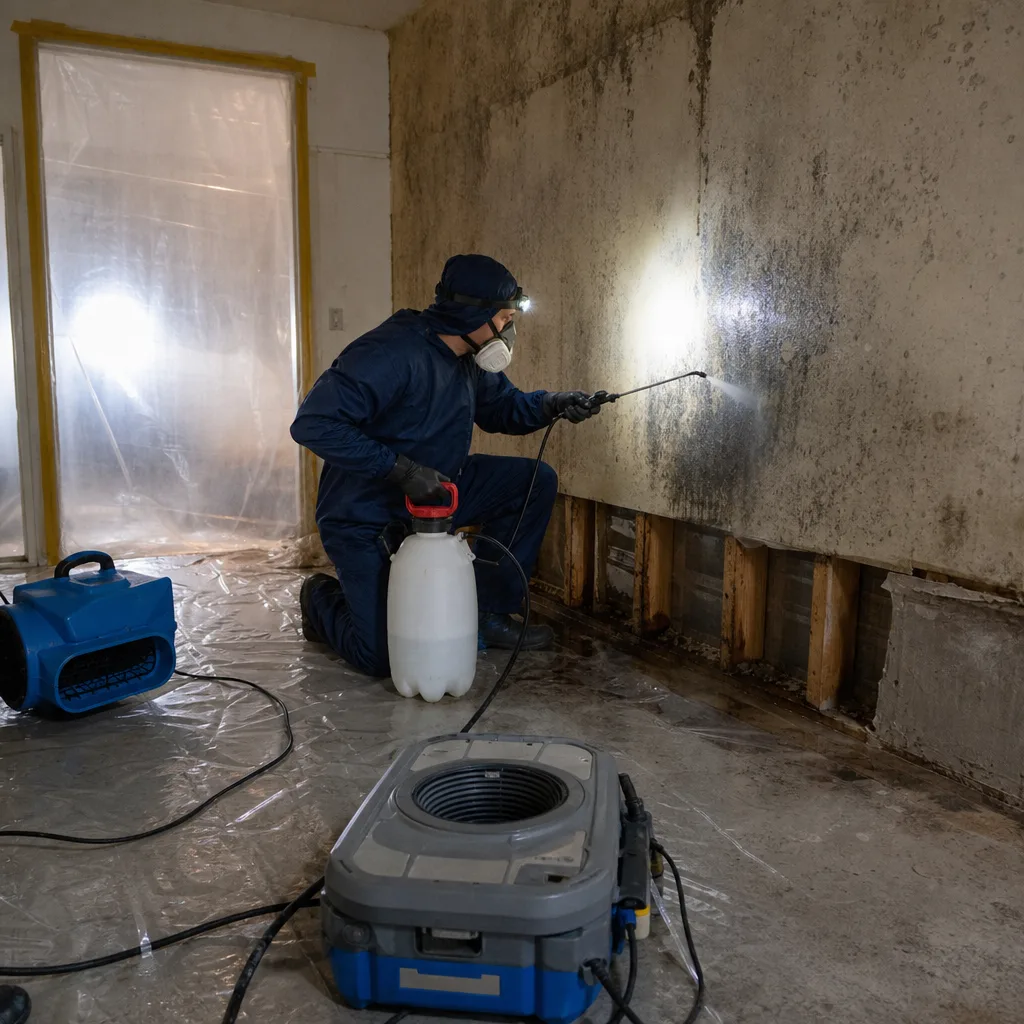
This checklist summarizes what must be recorded at each restoration phase. Most contractors skip 40-60% of these items. The skipped items are what insurers deny.
Mitigation Documentation
- Initial moisture readings, every affected material, every room, with meter type noted
- Water source identification and classification (Category 1, 2, or 3)
- Photo record: source, migration, affected materials, unaffected reference areas
- Written scope, signed by customer, before work begins
- Equipment placement map with unit serial numbers
- Daily moisture logs with timestamps, through dry standard achievement
- Psychrometric data: temperature, relative humidity, dew point
- Final verification: all materials at or below dry standard, photo-documented
Demolition Documentation
- Pre-demo moisture readings justifying removal
- Scope specifying exact materials, dimensions, and locations
- Hazardous material test results and abatement protocols if applicable
- Disposal manifests for regulated materials
- Protection measures for unaffected areas, photo-documented
- Post-demo photos showing substrate condition
Reconstruction Documentation
- Line-item scope with material specifications
- Permit applications and inspection records
- Progress photos at rough-in, insulation, and final
- Change orders, written and signed, for any deviation
- Final punch list, customer-signed
- Warranty document, written and transferable
This is the documentation gap that costs homeowners their claims. It is also the gap Back to Dry was built to close.
How to Use a Written Scope to Compare Contractors
A written scope before work begins is not merely a price quote. It is a comparison tool, a contract term, and an insurance document. Haven Standard, Clause 1 requires it on every job. Here’s how to use it when evaluating multiple contractors in Escondido.
First, verify the scope addresses the same work. One contractor’s “dry structure” may include three air movers and a dehumidifier for five days. Another’s may include six air movers, two dehumidifiers, and an Injectidry system for seven days. The second scope costs more but may be necessary for the actual moisture load. Without equipment counts and drying day projections, the comparison is meaningless.
Second, check for material specifications. “Replace flooring” is not a scope. “Remove and replace 180 sq ft of Mohawk SolidTech Plus vinyl plank, style to match existing, including underlayment and quarter-round” is. The specified scope protects against the contractor who installs builder-grade material at premium-grade pricing.
Third, confirm the warranty terms. A verbal “we’ll take care of you” is not enforceable. A written 365-Day Done Right Promise, backed by The Haven Standard, is. Ask for the document. Read it. Verify it covers both workmanship and materials.
Fourth, request the documentation deliverables. Will you receive daily moisture logs? A photo record on every visit? Direct adjuster coordination? These are not upsells. They are the records that turn a restoration invoice into a payable claim.
Our Free Second Opinion on any competitor’s written estimate exists for this purpose. Bring a scope from another contractor and we will review it at no charge, identifying gaps, inconsistencies, or items that may complicate your claim. No obligation, no pressure. The documentation either supports the work or it doesn’t.
Common Mistakes to Avoid
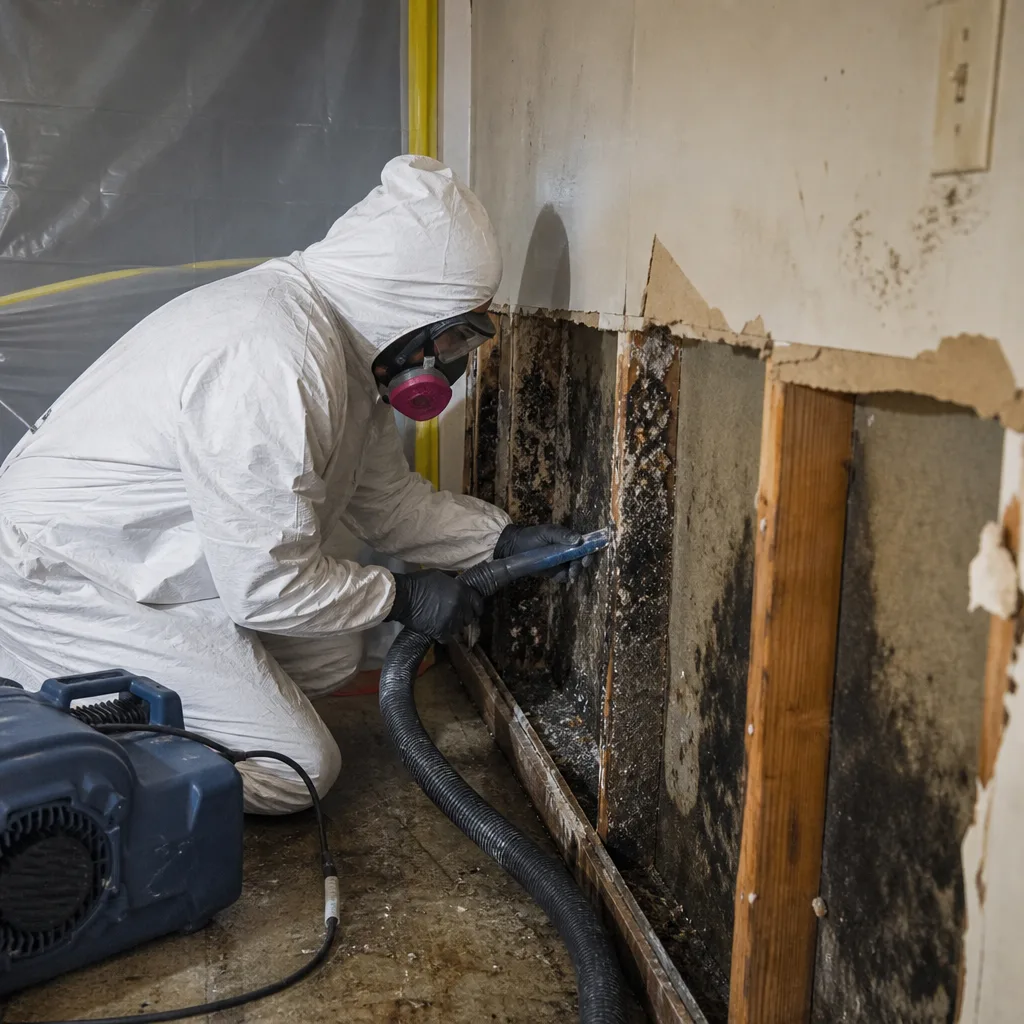
- Signing a blank authorization or “not to exceed” estimate. This voids your ability to challenge line items later. Haven Standard, Clause 1 exists to prevent exactly this.
- Accepting surface-dry readings as proof of completion. In Escondido’s low-humidity climate, surfaces dry fast while cavities stay wet. Demand cavity readings and psychrometric data.
- Combining mitigation and reconstruction on one invoice. Insurers separate them for audit. Combined invoices face combined scrutiny and frequent denial.
- Failing to document pre-existing conditions. A photo of the undamaged corner before work begins protects against claims that the contractor caused damage that was already there.
- Letting a contractor pull equipment based on “experience” rather than readings. “It feels dry” is not documentation. Daily moisture logs with timestamps are.
- Neglecting permit requirements for reconstruction. Escondido requires permits for electrical, plumbing, and structural work. Unpermitted work can void insurance coverage and complicate resale.
- Accepting verbal warranties. A warranty that isn’t written isn’t a warranty. Demand the document.
When to Call a Professional
Call a professional when water has affected more than a single, easily dried surface; when mold is visible or suspected; when fire or smoke damage has occurred; when sewage or biohazard materials are present; or when structural damage is possible. These are not DIY situations. Category 2 and 3 water, fire residue, and biohazard materials carry genuine health risks, and improper handling can void insurance coverage.
In Escondido, where summer heat accelerates mold growth and winter rains can reveal long-standing leaks, the threshold for professional involvement is lower than many homeowners assume. A water stain that appears in January may represent months of hidden moisture. A musty smell in a July closet may indicate active mold colonization behind the drywall.
DryMark Restoration Escondido offers free estimates in Escondido. Our live phone coverage is available 24 hours a day, 7 days a week with no voicemail on emergency lines. Call (760) 691-2950 for assessment, documentation, and a written scope before any work begins.
Frequently Asked Questions
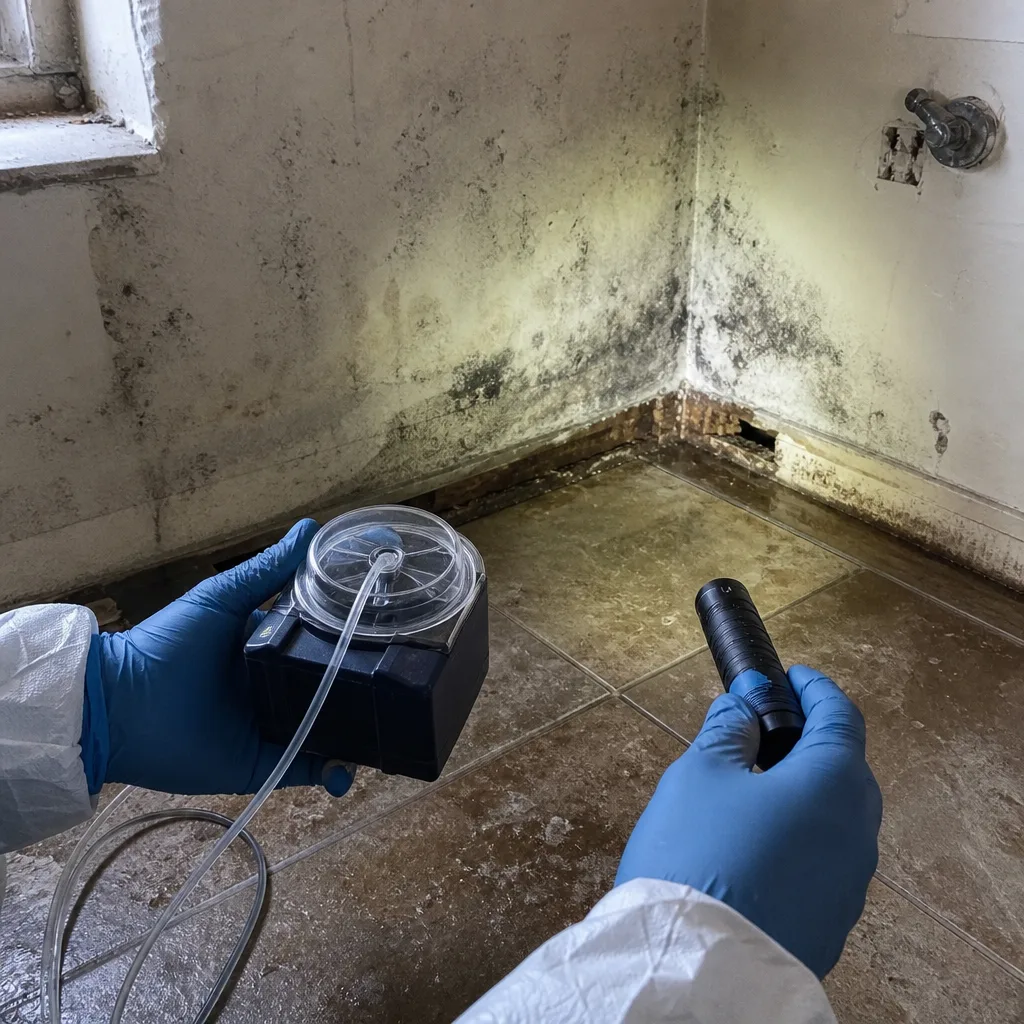
Water damage mitigation typically ranges from $1,200 to $4,500 for standard residential losses, with reconstruction adding $45-$85 per square foot for typical finishes, as detailed in our Damage Restoration Cost Breakdown: The Escondido Homeowner’s Reference for 2026. Fire and smoke restoration varies more widely based on structural involvement, often $8,000-$25,000 for partial losses. Mold remediation runs $15-$30 per square foot of affected area, with containment and air filtration adding to base costs. Call (760) 691-2950 for a written estimate specific to your situation, estimates are free.
Most homeowner policies cover sudden and accidental water damage, fire, and storm damage, but coverage varies by carrier and endorsement. The key to payment is documentation: a written scope before work begins, daily moisture logs, and a photo record on every visit. We coordinate directly with adjusters at USAA, Farmers, State Farm, and other major carriers to provide this documentation in the format their review systems require. Call (760) 691-2950 and we can review your policy language with you.
We target 90-minute response for emergency water damage calls in Escondido and surrounding areas. Live person answers every call, 24 hours a day, 7 days a week, no voicemail trees. Speed matters for mitigation, water continues migrating until extraction begins, but reconstruction is always scoped, scheduled, and priced in writing before work starts. Call (760) 691-2950 for current availability.
Visible mold growth larger than 10 square feet, or any mold resulting from Category 2 or 3 water, requires professional remediation per IICRC standards. DIY cleaning typically spreads spores and drives them deeper into porous materials. Proper remediation requires containment, negative air pressure, HEPA filtration, and post-remediation verification testing. Mold remediation in Escondido follows these protocols to protect both health and insurance coverage.
We do, with your authorization. Our documentation, daily moisture logs, photo records, and written scopes are formatted for direct submission to adjuster review portals. We attend adjuster meetings when requested, provide supplemental documentation when claims are underpaid, and maintain copies of all records for your file. This coordination is standard service, not an additional charge.
Mitigation is emergency work to prevent further damage: extraction, drying, demolition of unsalvageable materials. It is billed based on equipment deployed and labor hours, supported by daily logs. Reconstruction is the return to pre-loss condition: rebuilding, refinishing, replacing. It is priced as a construction estimate, often requiring adjuster approval before work begins. Confusing these, or allowing a contractor to combine them, is the most common cause of claim delays and denials.
The Bottom Line
Damage restoration in Escondido succeeds or fails in the documentation. The homeowner who receives a written scope before work begins, daily moisture logs during drying, and a photo record on every visit holds the records that turn a claim into a payment. The homeowner who accepts verbal assurances and combined invoices holds a dispute waiting to happen. Escondido’s inland climate, with its fast surface drying and hidden cavity moisture, makes rigorous documentation even more critical. The contractors who understand this, who built their systems around closing the paperwork gap, are the ones whose jobs get paid without a fight. Explore more guides & resources to protect your claim.
Written by Alicia Brennan, Owner at DryMark Restoration Escondido, serving Escondido since 2011.