
Last updated September 23, 2026
Free visual inspection and a written scope of work before any mitigation begins - photos, moisture readings, and drying logs go in your claim file
The scope we write is the scope we bill. Anything new gets shown to you, in writing, before we touch it.
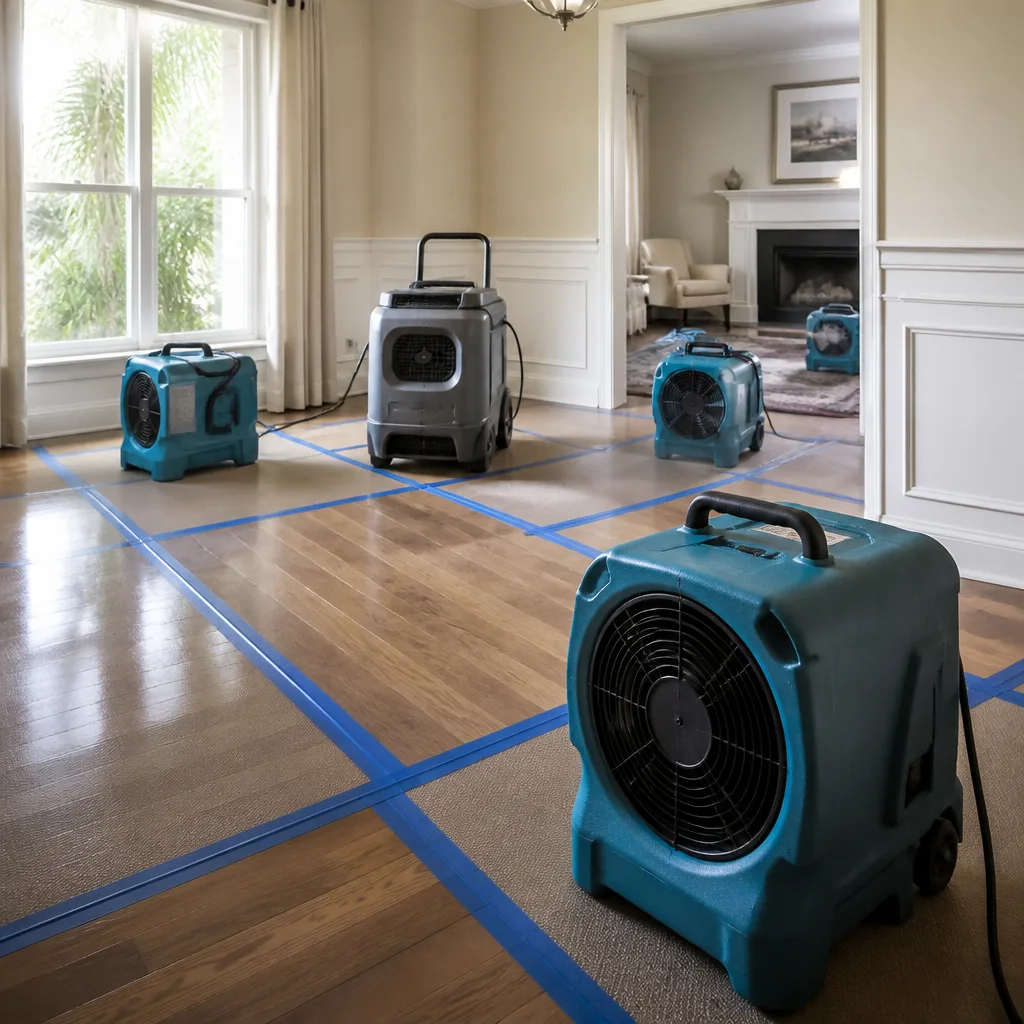
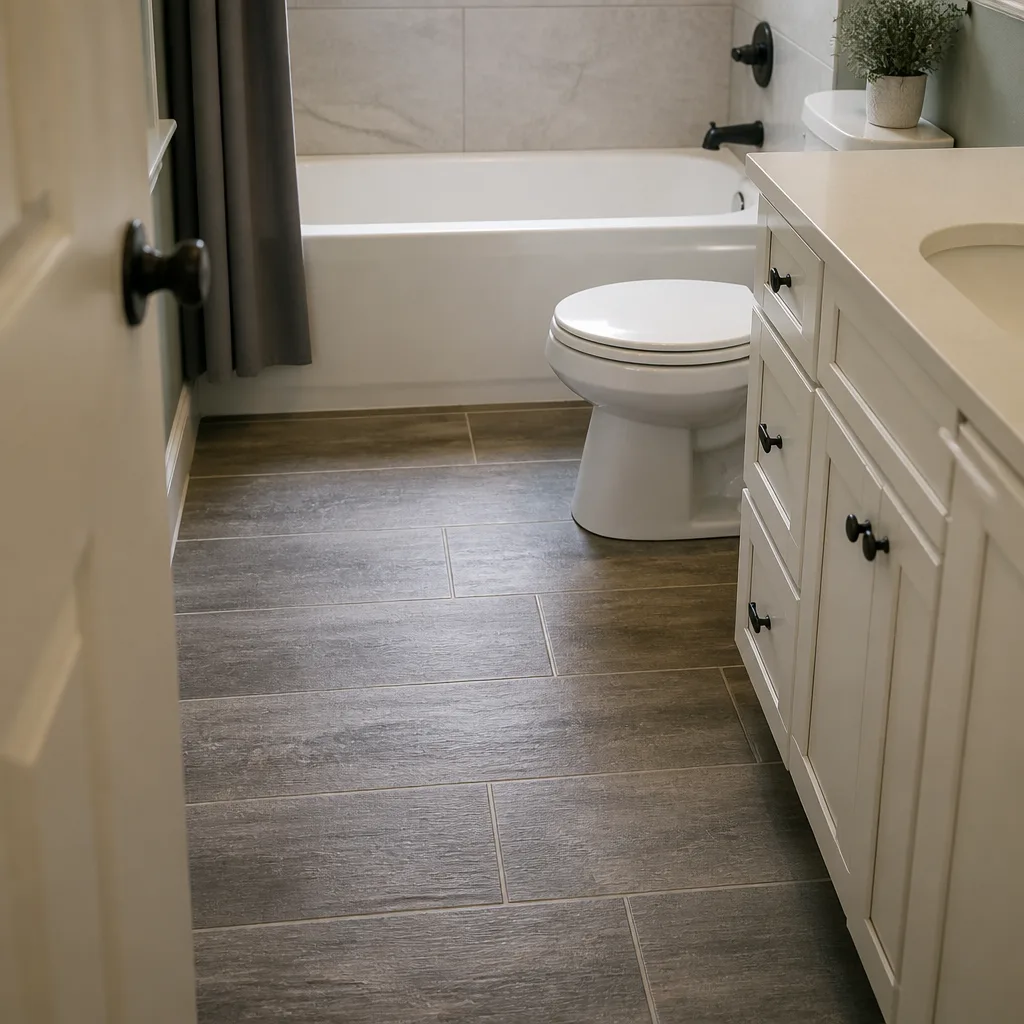

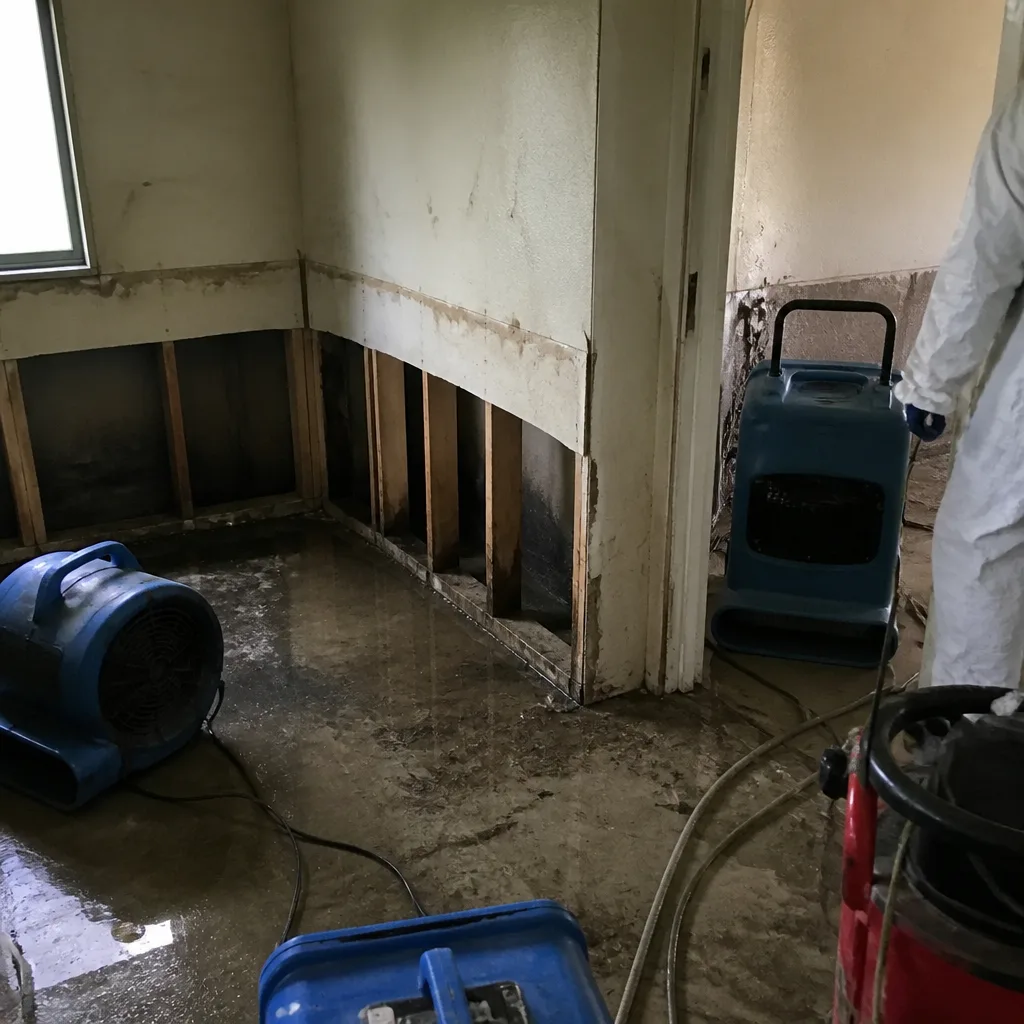 Before
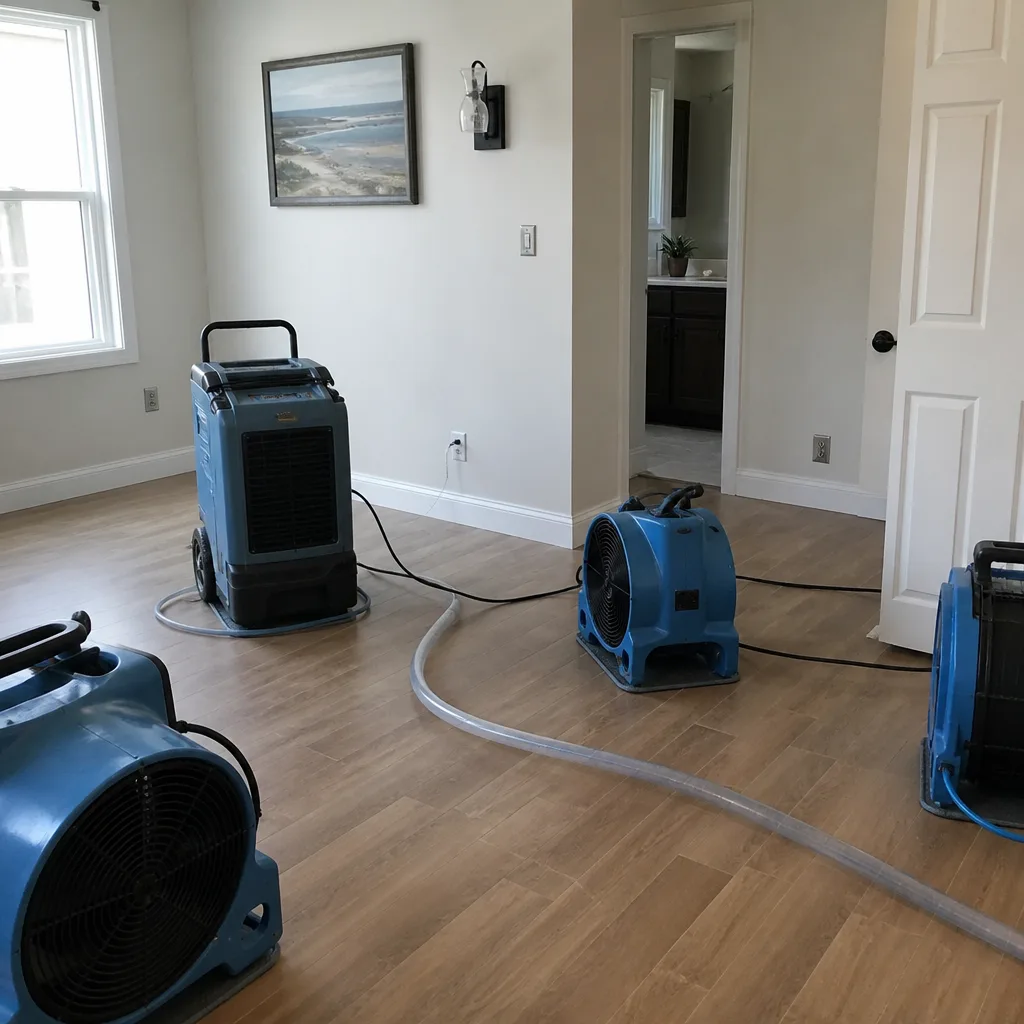 After
After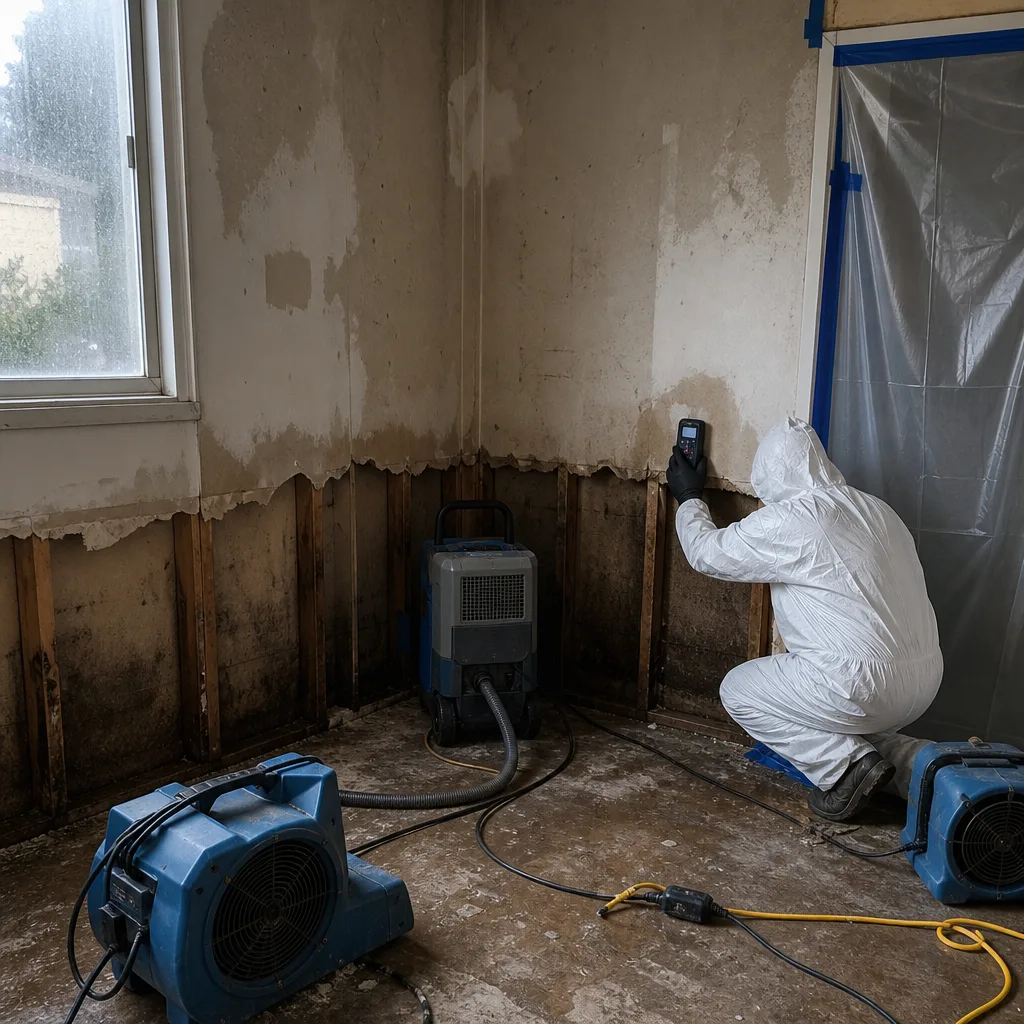 Before
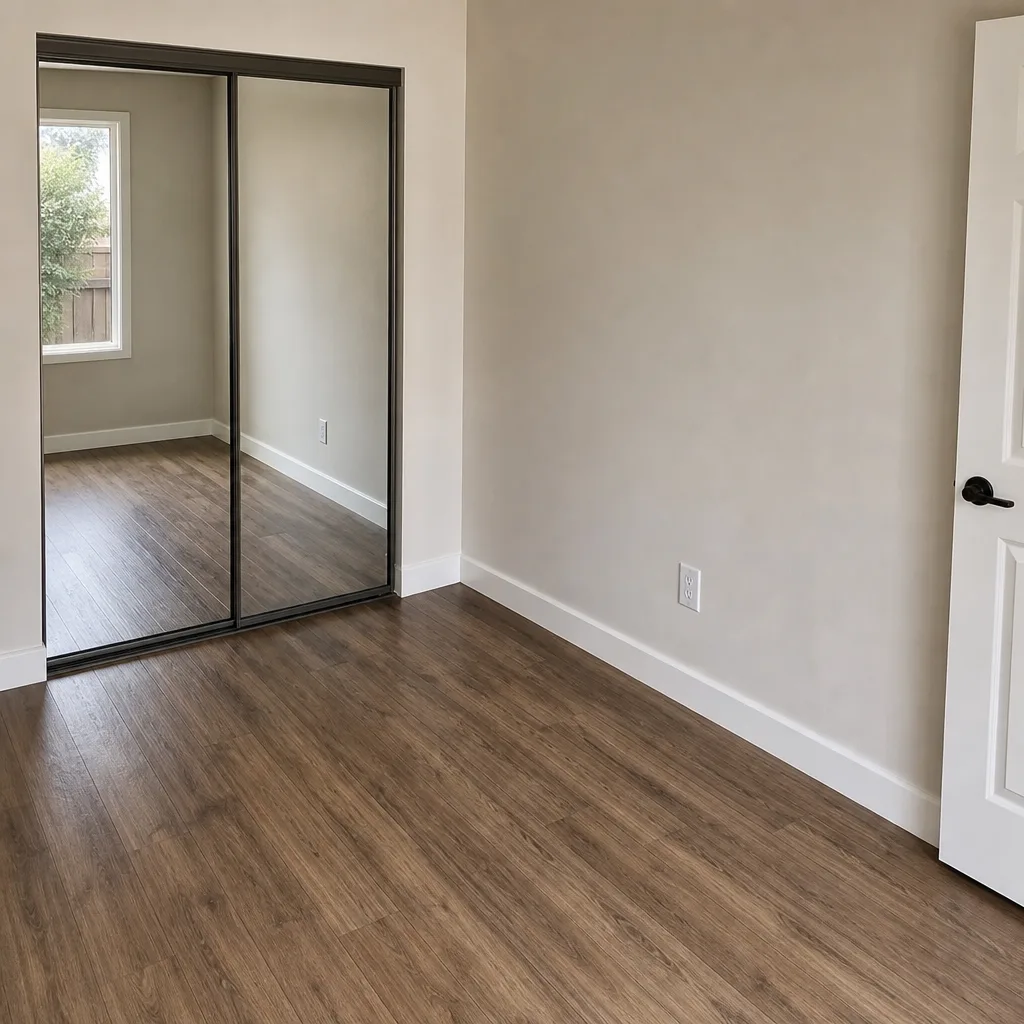 After
After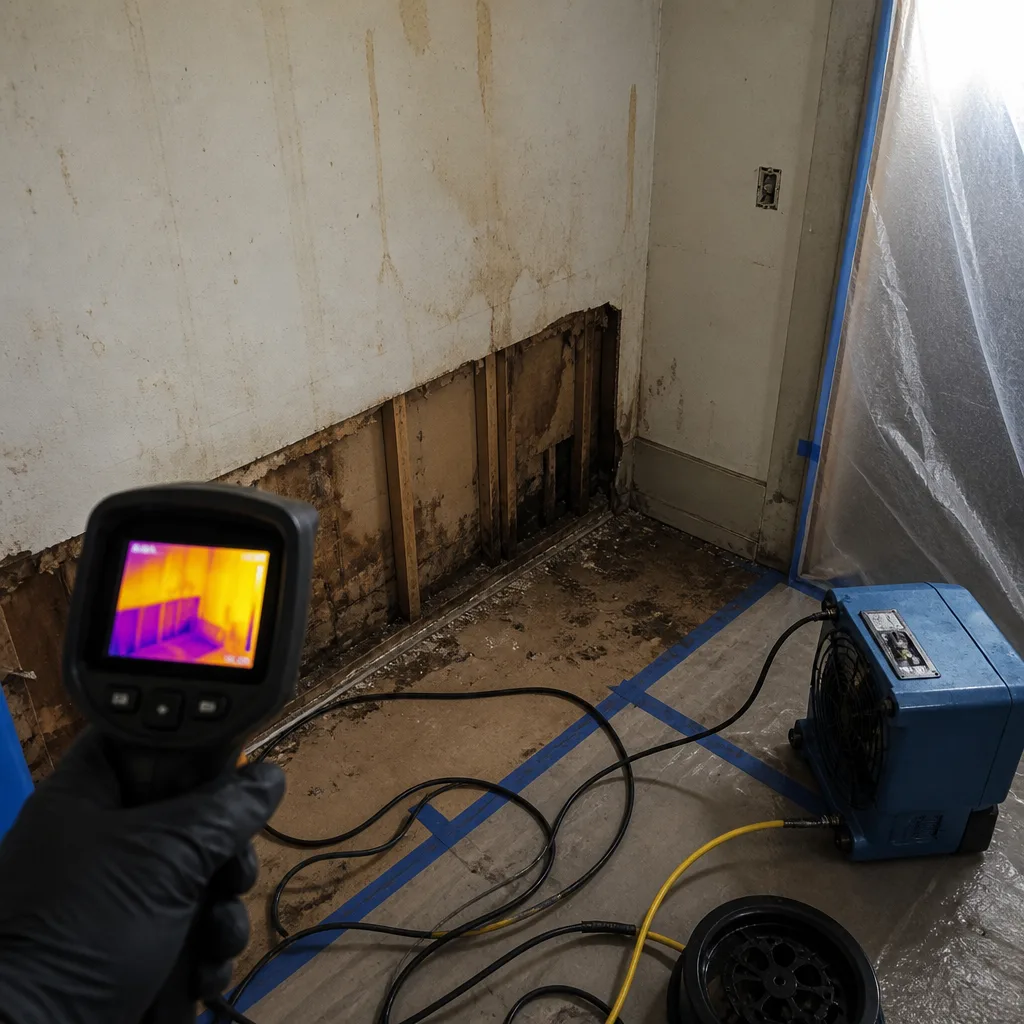 Before
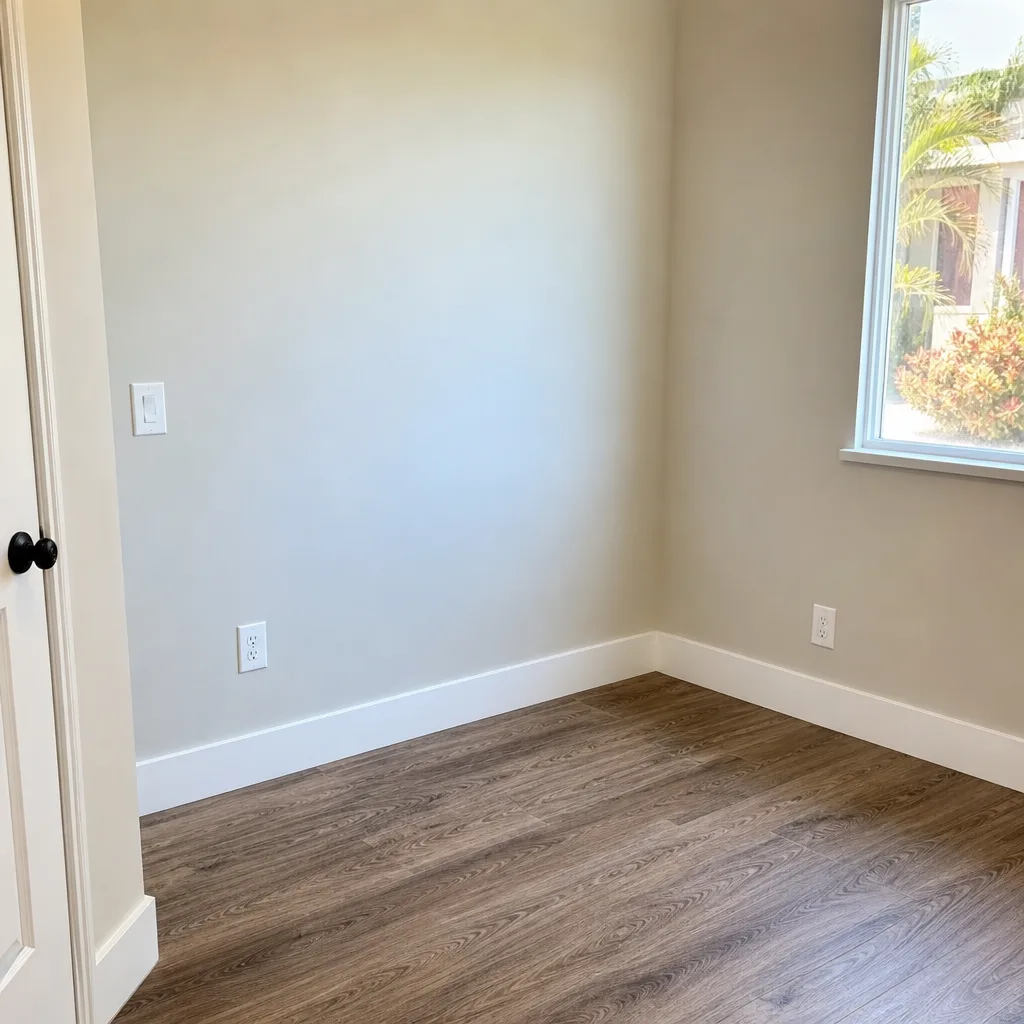 After
AfterSeasonal Damage Restoration Care for Escondido: Year-Round Homeowner’s Guide
Escondido averages fewer than 16 inches of rain a year. That dry spell lulls homeowners into skipping drainage maintenance, foundation seal inspections, and roof penetration checks - then the atmospheric river season arrives and those neglected systems fail. When the adjuster opens the file, insurers classify the resulting damage as “long-term seepage,” not sudden water loss, and the claim stalls on pre-existing condition language. This guide maps Escondido’s actual damage calendar by season, with specific inspection points, moisture readings to record, and a dated seasonal log format that creates pre-loss documentation - see our Complete Guide to Damage Restoration in Escondido for the full framework. Follow it, and if a loss happens, you’ll have time-stamped proof of property condition that turns a denied claim into a paid one.
Quick Answer
Escondido homeowners should inspect and document roof penetrations, foundation seals, and HVAC condensate systems four times yearly, with critical pre-Santa Ana inspections in October and pre-rain foundation readings in December. A dated photo log with moisture meter readings creates admissible pre-loss documentation that proves sudden damage versus long-term seepage when insurers challenge claims. The full cycle takes roughly six hours per year and requires only a consumer-grade moisture meter, a smartphone camera, and a consistent logging format. For a detailed task breakdown, see our Water Damage Restoration Maintenance Checklist for Escondido Homeowners.
Table of Contents
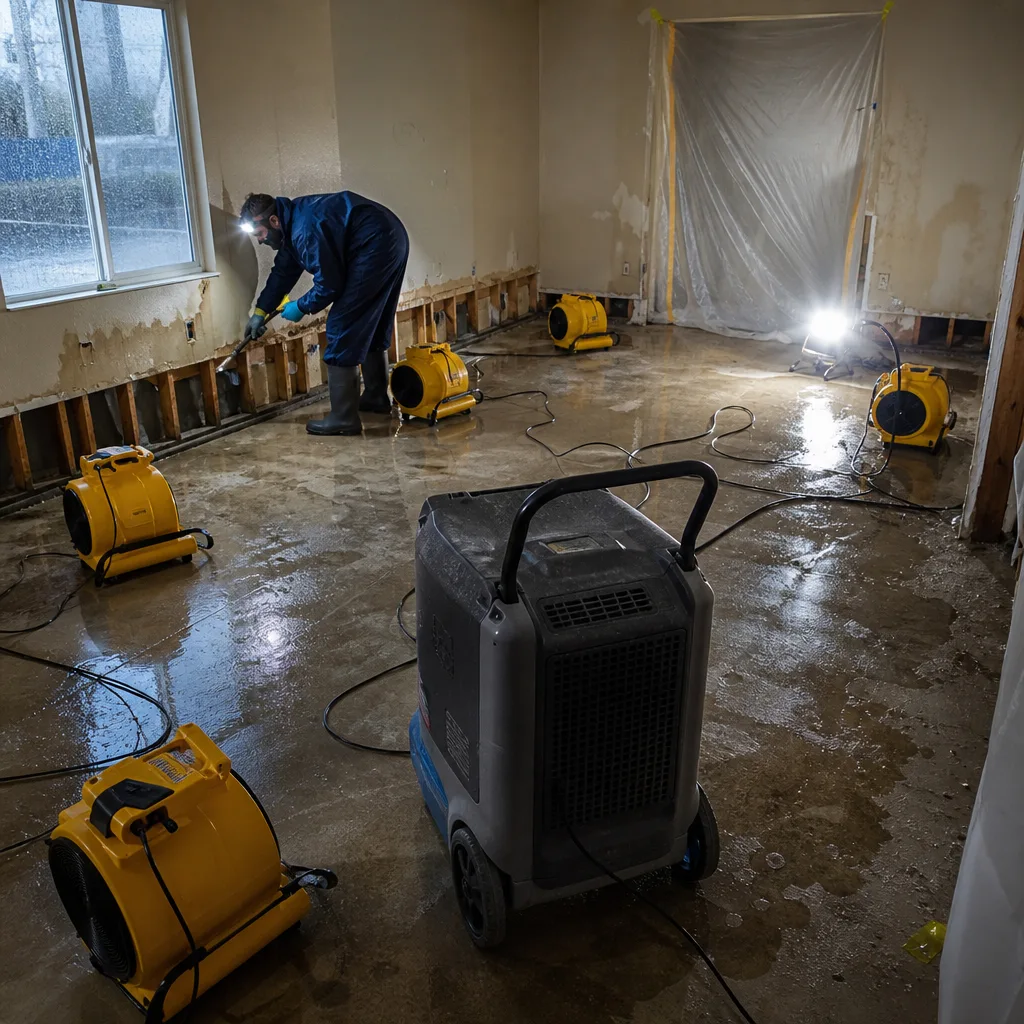
- October-November: Pre-Santa Ana Inspection Before Wildfire Season
- December-February: Rain Season and Clay-Soil Foundation Stress
- March-May: The Hidden Mold Window After Spring Dry-Out
- June-September: HVAC Condensate and Inland Heat Differential Leaks
- Building Your Dated Seasonal Log: Pre-Loss Documentation That Holds Up
- Escondido Neighborhood-Specific Risk Factors
- What Seasonal Prevention and Early Mitigation Cost in Escondido
- Common Mistakes to Avoid
- When to Call a Professional
- Frequently Asked Questions
BeforeAfterOctober-November: Pre-Santa Ana Inspection Before Wildfire Season
Santa Ana winds reach sustained speeds of 25-45 mph in Escondido’s canyons and ridge lines, with gusts above 60 mph recorded annually in the Hidden Meadows and San Pasqual Valley areas. Those winds drive embers and debris into roof assemblies, block attic vents, and create pressure differentials that force smoke through gaps a homeowner never knew existed. The October-November window is your last chance to document roof condition before fire season, because once ash falls, insurers will question whether staining or corrosion existed before the event.
What to Inspect and Photograph
- Roof flashing at all penetrations. Check plumbing vents, HVAC curbs, chimney saddles, and solar panel mounts. Look for lifted edges, cracked sealant, or gaps where flashing meets the deck. Photograph each penetration from two angles: wide enough to show surrounding roof area, tight enough to read the sealant condition. In Escondido’s inland heat, asphalt-based sealants degrade faster than in coastal zones - we typically find alligatoring (surface cracking) on south-facing slopes after four to five years.
- Attic vent screens and baffles. Santa Ana winds carry wildfire debris that lodges in soffit vents and ridge vent openings. Blocked vents trap heat and moisture, but more critically, ember entry through damaged screens is a leading cause of ignition in the wildland-urban interface. Document screen mesh integrity - 1/8-inch metal mesh is code in California fire zones, and many Escondido homes built before 2008 still have larger openings or plastic baffles that melted in prior heat events.
- Exterior penetration sealants. Walk the perimeter and photograph at: hose bibs, exterior electrical boxes, gas meter connections, and dryer vents. Santa Ana pressure differentials force smoke through gaps as small as 1/16 inch. A dated photo showing intact sealant before fire season is the difference between a covered smoke remediation and a denied claim for “pre-existing air infiltration.”
- Garage door and weatherstrip condition. The gap at the bottom of a garage door is the largest uncontrolled opening in most homes. In Escondido’s older neighborhoods - particularly around Grape Day Park and the original downtown grid - garage door frames have settled and weatherstripping no longer compresses evenly. Photograph the seal in contact with the floor; if light shows through, embers and smoke will enter.
Moisture Readings to Record
Even in October’s dry conditions, record baseline moisture content in attic sheathing and garage ceiling drywall. Use a pin-type moisture meter on accessible surfaces. Document: location, reading, date, and ambient relative humidity. Normal attic sheathing in Escondido should read 6-10% in October. Readings above 12% indicate either active roof leakage or condensation from blocked ventilation - both conditions that insurers will attribute to “long-term maintenance neglect” if discovered after a loss.
Fire & Smoke Damage Restoration in Escondido covers the documentation standards we apply when smoke infiltration has already occurred.
December-February: Rain Season and Clay-Soil Foundation Stress
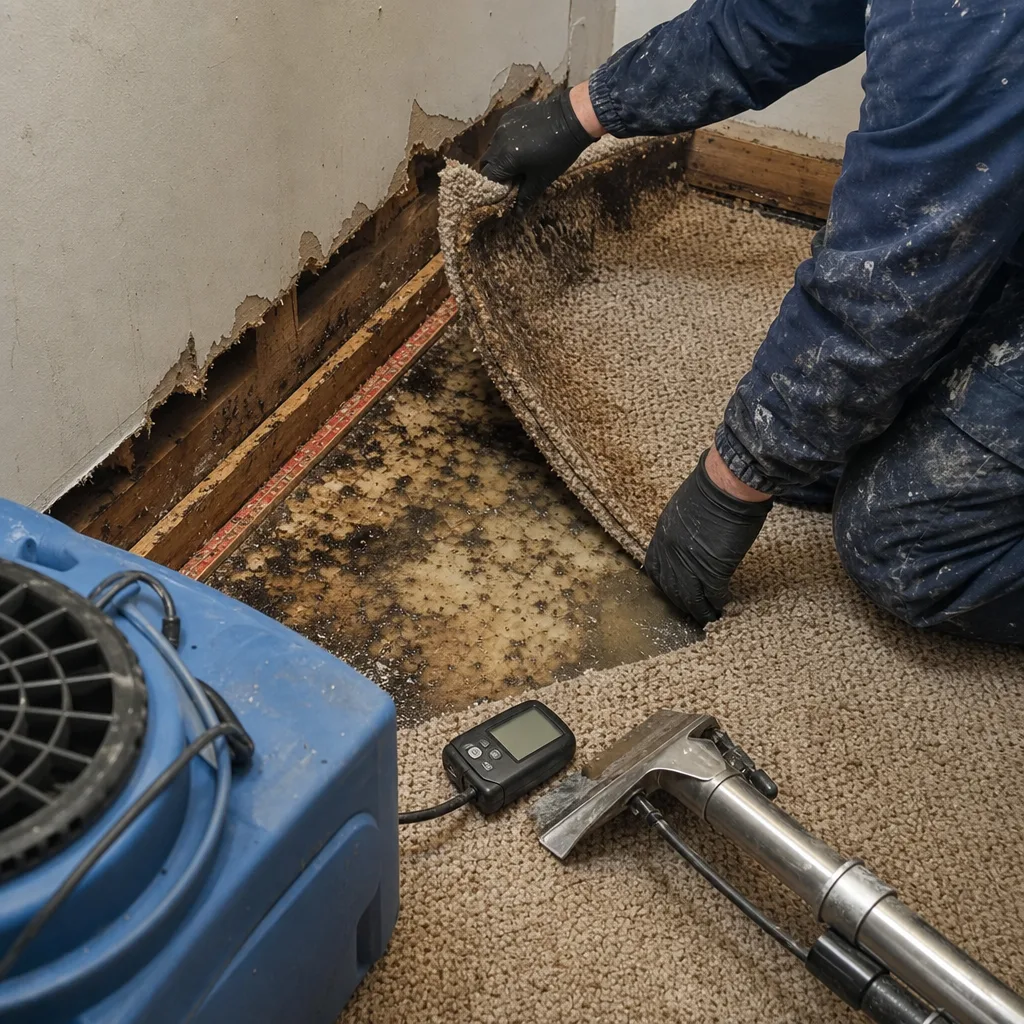
Escondido’s winter rain arrives in concentrated events - atmospheric rivers that drop 2-4 inches in 48 hours on soil that hasn’t seen moisture in eight months. The dominant soil type in Escondido’s developed areas is expansive clay, particularly the Vista and Bonsall soil series that underlie much of the city east of I-15. Dry clay shrinks and cracks; saturated clay swells. That cycle creates foundation movement that cracks slab seals, separates stem walls from grade beams, and opens pathways for water intrusion that didn’t exist in October.
Foundation Inspection Points Specific to Escondido Clay
- Grade-to-sill clearance. Soil should slope away from the foundation at 6 inches of drop per 10 feet of run. After summer shrinkage, soil often pulls 1-2 inches below the sill plate. Record the gap with a photo and ruler. If winter rain fills that gap before you regrade, water pools against the sill - and “sill plate rot from negative grade” is specifically excluded on many California homeowners policies.
- Stem wall cracks. Hairline cracks under 1/16 inch are normal in clay soils. Cracks wider than 1/8 inch, or any crack that steps through the wall face, indicate differential settlement. Photograph with a coin or ruler for scale. In the Lake Hodges and Del Dios areas, where slopes exceed 15%, we see more severe cracking from lateral soil pressure during saturation events.
- Slab edge exposure. In Escondido’s 1970s-1990s tract construction, slab edges were often poured flush with grade or only slightly above. Decades of landscape modification bury the edge or expose it to erosion. A visible slab edge with intact damp-proofing is evidence of proper maintenance; a buried or spalling edge is evidence insurers use to deny slab leak claims.
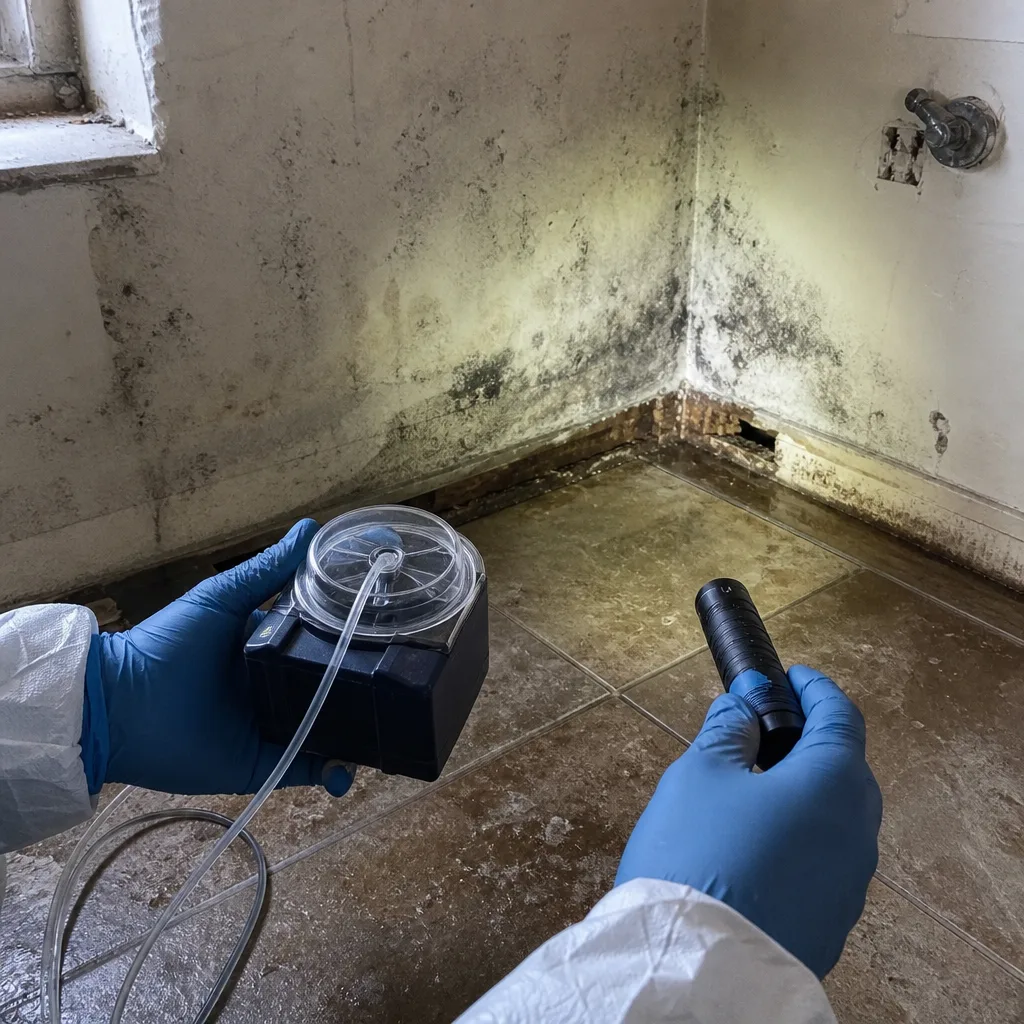
- Interior baseline moisture readings. Before the first major storm, record meter readings at baseboards in corners, under windows, and behind water heaters. Document the meter model and probe depth. If a winter leak occurs, you’ll have proof that the wall cavity was dry before the event - critical for claims where insurers allege “long-term seepage” to limit mold coverage.
The Documentation Sequence
We recommend this specific order: exterior grade photos, then stem wall photos, then interior baseboard readings, then a written summary noting any changes from prior season. Save everything in a single dated folder. When we arrive on a winter water loss in Escondido, the homeowners who have this sequence produce claims that move through adjudication in roughly half the time of those who don’t.
Water Damage Restoration in Escondido details the drying documentation standards - daily moisture logs, psychrometric data, and photo records - that we produce on every job.
March-May: The Hidden Mold Window After Spring Dry-Out
Escondido’s spring is deceptive. Relative humidity drops from winter peaks of 75-85% to April averages below 55%. Surfaces dry quickly. Homeowners assume any moisture problem has resolved. But wall cavities, subfloors, and crawl spaces lag surface conditions by weeks, and the mold species most common in Escondido - Stachybotrys chartarum on cellulose materials and Aspergillus penicillioides in dust - colonize in that lag period when humidity is high enough for growth but low enough to prevent visible condensation.
Why Escondido’s Spring Dry-Out Conceals Active Mold
The critical factor is vapor pressure differential. In March and April, warm dry air outside creates a gradient that pulls moisture from surface materials but traps it in enclosed assemblies. A wall cavity with 18% moisture content in the studs will read “dry” on a surface scan because the drywall face has dropped to 10%. The mold is behind the paint, feeding on the paper facing, with no visible surface indicator.
Ambient Humidity Readings That Reveal Hidden Problems
- Measure at multiple heights. Place a humidity logger at floor level, mid-wall, and ceiling for 72 hours in rooms below grade, on north walls, and in bathrooms without exhaust ventilation. In Escondido’s older homes - particularly the ranch-style construction common in the 1960s-1980s - we find persistent 65-70% relative humidity in floor cavities even when room air reads 45%.
- Compare interior to exterior. If indoor relative humidity exceeds outdoor by more than 15% consistently, there’s a moisture source inside the envelope. That source is often a slow leak at a slab penetration, a condensate line with negative slope, or foundation wicking from winter saturation that hasn’t drained.
- Check HVAC supply registers. Spring is when homeowners first run cooling after winter heating. Condensate in ducts from incomplete winter drainage blows into rooms as the system cycles. A humidity spike at the register that doesn’t match room ambient indicates duct contamination - a condition that spreads mold spores throughout the house before any visible growth appears.
When to Sample Versus When to Inspect
Air sampling without visible growth is rarely useful for insurance documentation - it establishes presence, not causation. For spring mold concerns in Escondido, we recommend starting with a moisture mapping inspection: thermal imaging to find thermal anomalies, pin probing to confirm moisture content, and air sampling only where the inspection indicates an active reservoir. This produces a report that assigns mold to a specific moisture source and date range, which is what adjusters need to establish coverage.
Mold Remediation in Escondido explains our documentation protocol for mold claims, including the third-party laboratory verification and chain-of-custody procedures that satisfy insurer requirements.
June-September: HVAC Condensate and Inland Heat Differential Leaks
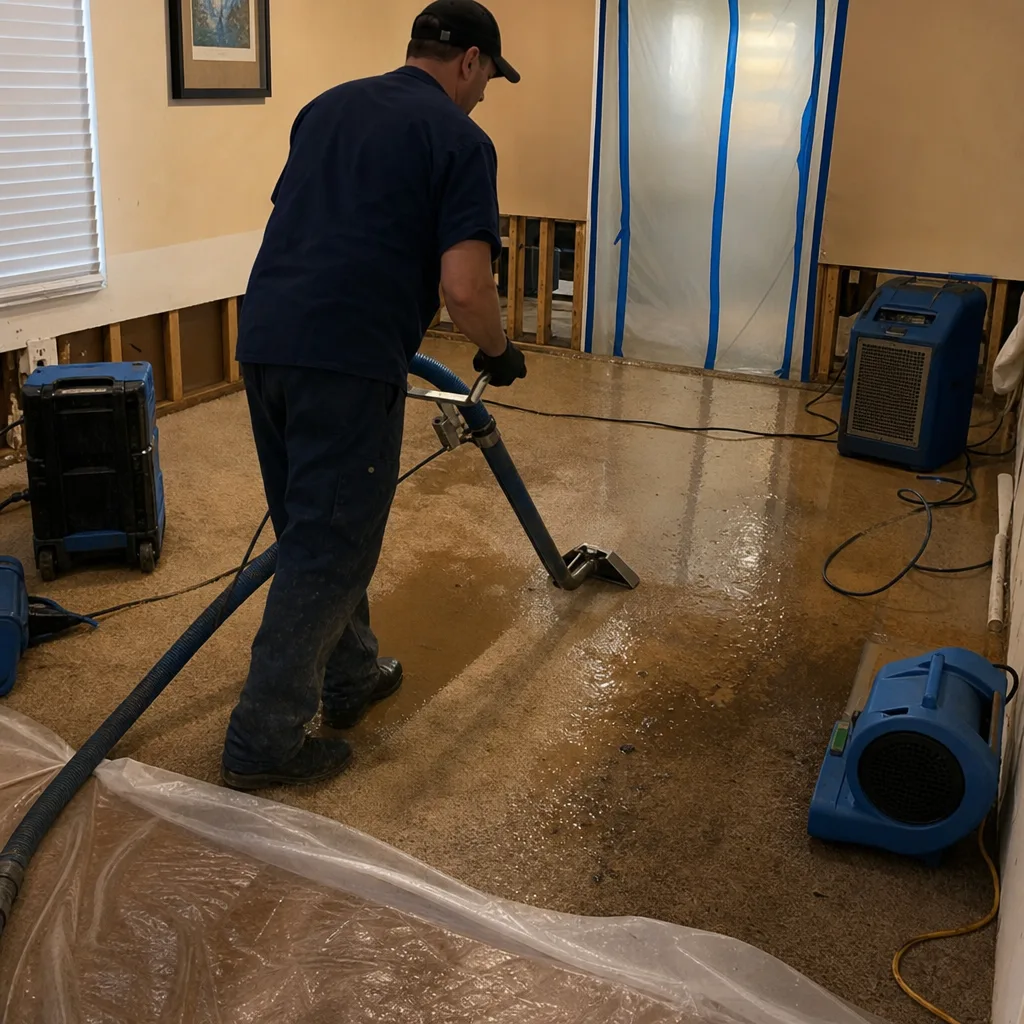
Escondido’s inland location produces summer temperature differentials that coastal San Diego doesn’t experience. Attic temperatures reach 140-160°F. Ground temperatures at slab perimeter stay 75-80°F. That 60-80 degree delta across the building envelope creates expansion and contraction cycles in supply lines, condensate fittings, and drain connections that produce slow leaks invisible until damage is extensive.
HVAC Condensate Line Failures: The Most Preventable Summer Loss
Condensate lines in Escondido run longer than code minimums because many systems were installed in attics with drain locations far from exterior walls. The negative slope that develops over years - from truss sag, insulation compression, or amateur repairs - causes water to pool at low points. Summer’s high condensate volume (3-5 gallons per day per ton of cooling in July humidity) overwhelms these pools.
Inspect these specific points in June, before peak cooling load:
- Primary drain pan integrity. Rusted galvanized pans in systems installed before 2005 crack at corners. Plastic pans UV-degrade in attic heat and become brittle. A cracked pan dumps condensate directly onto ceiling drywall - and because the leak is continuous, not sudden, insurers often classify it as maintenance failure.
- Condensate pump operation. Where gravity drainage isn’t possible, pumps with float switches handle the load. In Escondido’s hard water, calcium buildup jams floats by year three or four. Test the pump by lifting the float manually; if it doesn’t activate immediately, replace it. Document the test with a dated photo.
- Secondary drain line termination. California code requires secondary drains to terminate visibly - usually at a soffit or above a window - so overflow is obvious. In practice, many Escondido homes have secondaries routed into wall cavities or buried in insulation, hiding failure until drywall stains appear. Verify visible termination and photograph.
Attic Temperature and Supply Line Stress
PEX supply lines, common in Escondido construction after 2000, expand 1.1 inches per 100 feet per 10°F temperature change. A 50-foot attic run experiences 0.5 inches of movement daily as the system cycles. That movement works fittings loose at manifold connections and clamp points. In June, before peak season, inspect accessible attic supply lines for:
- White calcium deposits at fittings (indicating prior weeping)
- Support clamp spacing exceeding 32 inches (code is 32 inches horizontal, 48 inches vertical - wider spacing allows sag and stress concentration)
- Contact with roof decking or ductwork that abrades the pipe surface
Document with photos. A fitting that weeps in June may fail catastrophically in August when thermal cycling peaks.
The Heat Differential at Slab Penetrations
Escondido’s summer ground temperature at 2-foot depth stays 25-30°F below attic peak. That differential drives vapor pressure from the cool slab upward through penetrations. Supply lines entering slabs - particularly at water heater and softener connections - experience condensation on the exterior of the pipe that wicks into surrounding soil and concrete. Over years, this creates the anaerobic conditions that corrode copper and damage PEX barb fittings. A June inspection of slab penetrations, with photos showing dry conditions, establishes that any subsequent failure was sudden, not gradual corrosion.
Building Your Dated Seasonal Log: Pre-Loss Documentation That Holds Up
The seasonal log is not a maintenance diary. It is evidence, formatted for adjuster review, that establishes pre-loss condition with the specificity that insurance policy language requires. We’ve reviewed thousands of claims files since 2011, and the difference between a contested claim and a paid claim is often a single dated photograph with a readable moisture reading.
Log Format: The Minimum Viable Record
Each seasonal entry should contain:
- Date and weather conditions. “October 14, 2024, 9:15 AM, 78°F, 34% RH, Santa Ana watch issued by NWS San Diego.”
- Location identifiers. Room name, wall orientation, and nearest landmark (“Master bedroom, north wall, below east window”).
- Instrument readings. Meter model, probe type, depth, and reading. “Protimeter Surveymaster, pin probe, 3/4 inch depth, 8.2% moisture content.”
- Photograph file names. Cross-referenced to the log entry: “2024-10-14_attic_sheathing_penetration_3.jpg.”
- Anomaly notes. Any condition outside normal range, with planned action and follow-up date.
Storage and Access
Store the log in three places: local device, cloud service with version history, and physical print in a fire-resistant container. After a fire or water loss, your local device may be damaged and cloud access may be delayed. The physical copy is your immediate proof.
Share the log with your insurance agent at renewal. Many Escondido homeowners are surprised to learn that agents will note documented maintenance in the policy file, creating a record that supports coverage determinations before any loss occurs.
What the Log Proves in Specific Claim Scenarios
Scenario: Winter slab leak. Your December log shows 8% moisture content at baseboards throughout the house. The February loss produces 35% readings at the kitchen baseboard. The delta proves sudden pipe failure, not long-term seepage. Mold coverage, often limited to 30 days from discovery, attaches to the documented failure date.
Scenario: Summer attic condensate overflow. Your June log shows a dry ceiling, intact drain pan, and operational pump. The August stain appears suddenly. The insurer cannot attribute the damage to “long-term maintenance neglect” when your documentation shows proper function 60 days prior.
Scenario: Wildfire smoke infiltration. Your October log shows sealed penetrations and intact weatherstripping. Post-fire, the same locations show ash entry through gaps that opened during the event. The pre-loss documentation defeats any “pre-existing condition” defense.
Escondido Neighborhood-Specific Risk Factors
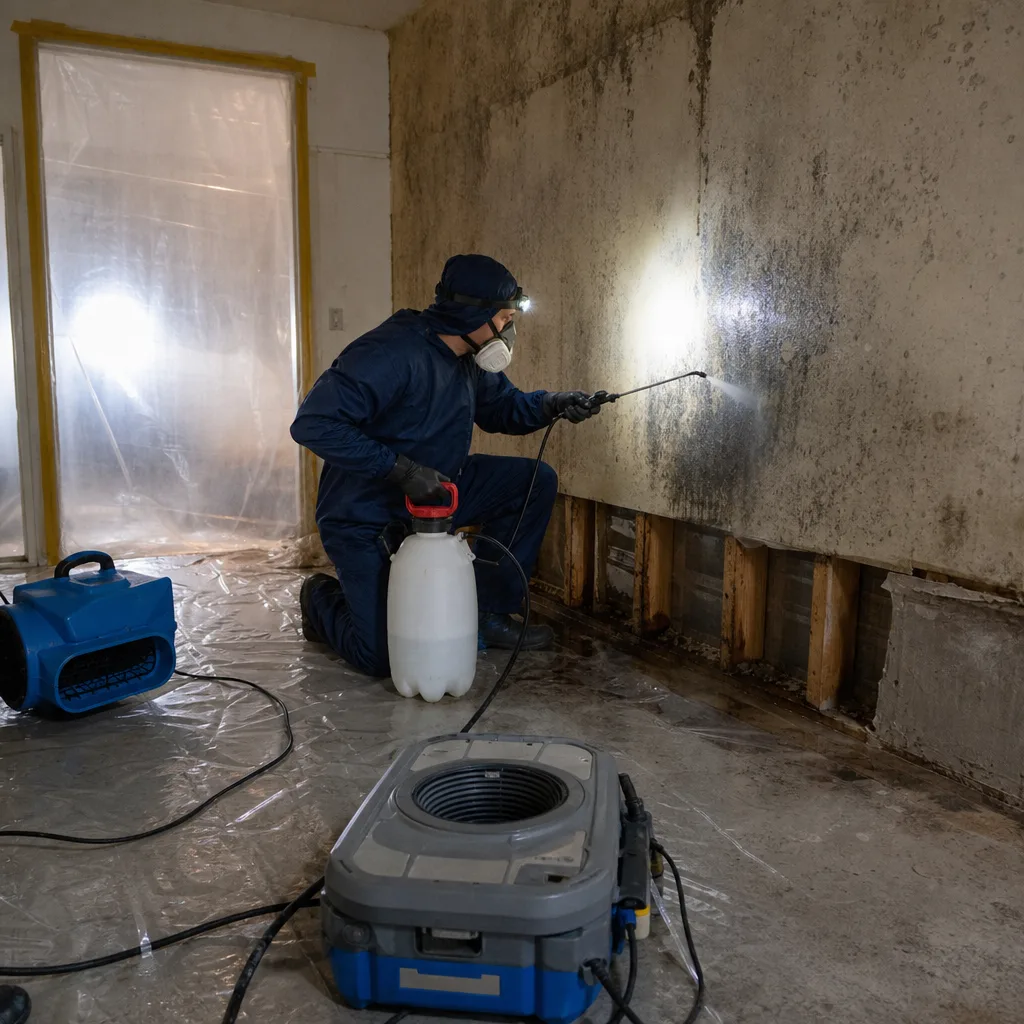
Escondido’s geography creates microclimates and construction eras with distinct vulnerability profiles. A seasonal log should weight inspections toward these known risk concentrations.
Hidden Meadows and San Pasqual Valley
Elevations 800-1,200 feet, wildland-urban interface, Santa Ana wind exposure maximum. Pre-fire season inspections are critical. Many homes have wooden shake roofs grandfathered under old codes - document condition meticulously, as these are often the first ignition points. Foundation soils are highly expansive clay with steep slopes that concentrate runoff against uphill walls.
Downtown Escondido and Grape Day Park Area
Original construction 1880s-1940s, with significant 1950s-1970s infill. Sewer laterals are often original clay or Orangeburg pipe, now 80-100 years old. Tree root intrusion is common in the established canopy. Summer inspections should include cleanout access and any history of slow drainage. Foundation systems are varied: some post-and-pier, some unreinforced brick, some slab-on-grade retrofits. Document the specific type - claims adjusters will ask.
West Escondido and Felicita
1970s-1990s tract construction on former agricultural land. Slab-on-grade with minimal perimeter drainage. The Vista clay series here expands dramatically; we see more foundation movement claims in this area than any other in Escondido. Winter inspections should emphasize stem wall and slab edge condition. HVAC systems are at end of design life; condensate failures are common.
South Escondido and Reidy Creek
Newer construction, 2000-2020, with better initial drainage but denser lot coverage that concentrates runoff. Many homes have second-story additions with complex roof geometries and valley intersections that trap debris. October inspections should emphasize valley drainage and gutter capacity. Fire risk is lower but not zero - ember travel from adjacent wildland is documented.
What Seasonal Prevention and Early Mitigation Cost in Escondido
These are actual price ranges we’ve observed in the Escondido market for services that prevent or catch damage early. They vary by home size, access difficulty, and material type, but they establish a baseline for budgeting.
| Service | Typical Range | What It Includes |
|---|---|---|
| Professional roof inspection with photo documentation | $180-$320 | Full penetration survey, flashing assessment, written report with photos |
| Foundation moisture mapping and crack survey | $220-$380 | Stem wall inspection, slab edge documentation, interior baseboard readings, written summary |
| HVAC condensate system inspection and test | $140-$240 | Drain pan, pump, line slope, and termination verification; operational test |
| Professional mold inspection with moisture mapping | $350-$550 | Thermal imaging, pin and non-invasive moisture readings, air sampling if indicated, laboratory report |
| Crawl space vapor barrier assessment | $160-$280 | Barrier condition, seam integrity, perimeter seal, humidity logging |
| Whole-home moisture logging (72-hour) | $200-$340 | Multi-point humidity and temperature data, gradient analysis, source identification |
These are inspection and documentation costs, not repair costs. The repair cost of a caught-early condensate pump failure is $180-$350. The repair cost of an overflow that collapses ceiling drywall and saturates insulation is $4,000-$12,000. The documentation cost is identical in both scenarios; the difference is whether you have it before the loss.
At DryMark Restoration Escondido, we provide free second opinions on any competitor’s written estimate - bring their scope and we’ll review it against what the documentation actually supports. Haven Standard, Clause 1 applies to our work: a written price before any work starts, every time.
Common Mistakes to Avoid
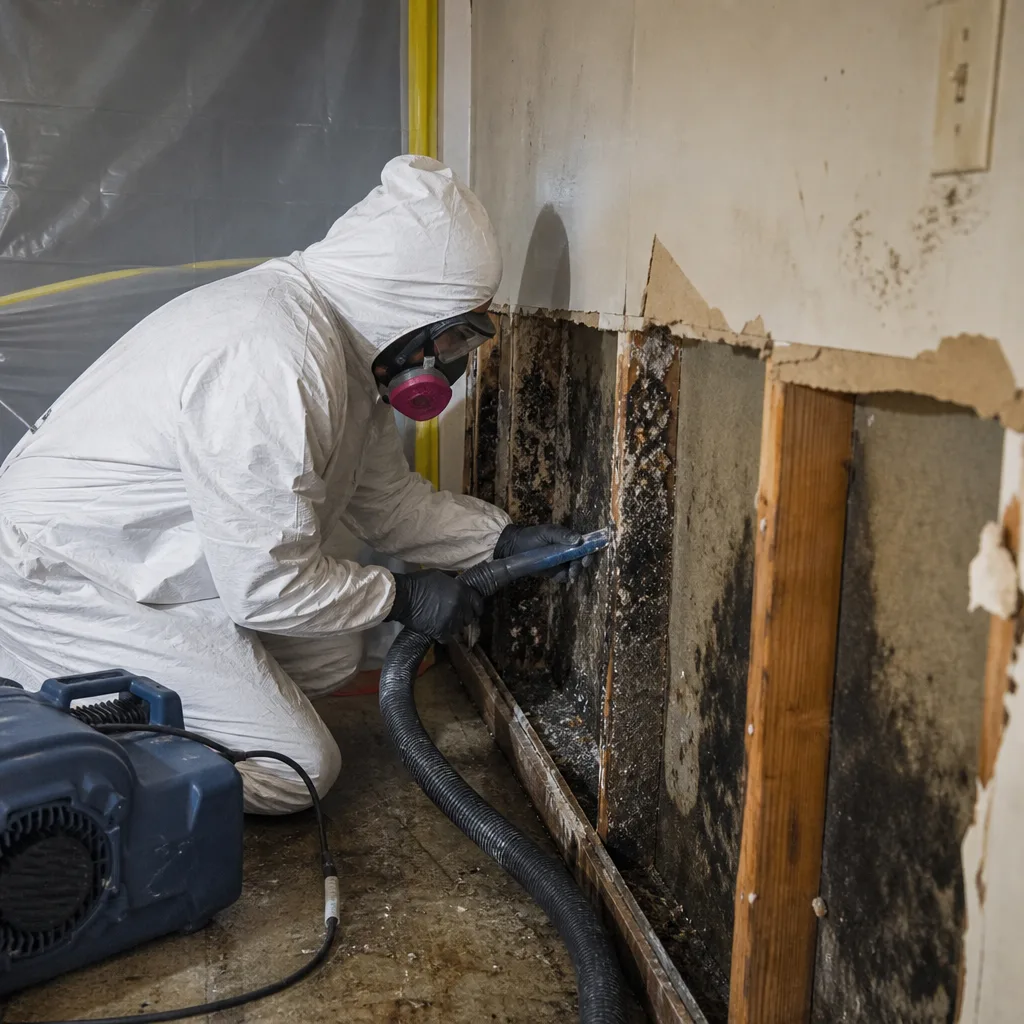
- Relying on visual inspection alone. In Escondido’s dry climate, water damage often manifests as subtle material changes - slight drywall texture variation, baseboard paint that doesn’t quite match - before visible staining. A moisture meter catches what eyes miss. The $40 instrument pays for itself on the first early detection.
- Photographing without scale or context. A close-up of cracked sealant proves nothing without a reference showing location on the structure. Include a landmark in every photo: a window frame, a hose bib, a known roof feature. Adjusters reject context-free images as unverifiable.
- Skipping the October inspection because “fire season hasn’t been bad lately.” Escondido’s worst fire losses occur in years with mild prior seasons, when vegetation buildup is maximum and homeowner vigilance is minimum. The 2003 Cedar Fire followed three years of below-average fire activity.
- Assuming new construction doesn’t need inspection. Homes built 2018-2022 in Escondido experienced pandemic-era construction acceleration with documented quality lapses in flashing installation, condensate line slope, and foundation damp-proofing. We’ve handled water losses in two-year-old homes with improperly lapped housewrap and missing kickout flashing.
- Using a single annual inspection date. Conditions change seasonally; a July inspection misses winter foundation stress, and a January inspection misses summer HVAC load. The four-season cycle in this guide is the minimum frequency for defensible documentation.
- Storing documentation only on a phone or local computer. These are the first items damaged in a water or fire loss. The homeowner who can produce documentation immediately controls the claim narrative. The homeowner who can’t, waits for insurer determination.
- Confusing maintenance records with pre-loss documentation. A receipt for gutter cleaning is maintenance. A dated photo showing clean gutters, proper slope, and intact downspout extensions with a moisture reading at the foundation is pre-loss documentation. The latter proves condition; the former only proves expenditure.
When to Call a Professional
Call when moisture readings exceed normal range and you cannot identify and eliminate the source within 48 hours. Call when you discover active mold growth covering more than 10 square feet, or when mold is present in HVAC components. Call after any fire, even minor, because smoke residue continues acidifying surfaces and corroding metals until professionally removed. Call when foundation cracks widen measurably during a single rain event, or when doors and windows bind seasonally in patterns that suggest structural movement.
Most critically, call before you need to file a claim if you want documentation that supports one. A professional moisture mapping inspection in October, with written findings and photo record, creates the baseline that makes a January water loss claim straightforward. The same inspection in January, after the loss, only documents damage - it cannot prove pre-loss condition.
DryMark Restoration Escondido offers free estimates in Escondido. Our inspections include written findings, photo documentation, and moisture readings formatted for insurance submission. Call (760) 691-2950 to schedule. Live phone coverage is available 24 hours a day, 7 days a week - no voicemail on emergency lines.
Frequently Asked Questions
A comprehensive four-season inspection program from a restoration professional typically runs $680-$1,200 annually in the Escondido market, covering roof, foundation, HVAC, and moisture mapping. Individual seasonal inspections range from $180-$550 depending on scope and home size. For homeowners comfortable with self-inspection, the equipment cost is under $100 for a quality moisture meter and humidity logger, with roughly six hours of labor per year. Call (760) 691-2950 for exact pricing on professional documentation - estimates are free.
Insurance may still cover sudden and accidental damage without pre-loss documentation, but the burden of proof shifts to the homeowner. Insurers routinely classify undocumented water damage as “long-term seepage” or “maintenance failure,” both standard exclusions. Pre-loss documentation doesn’t guarantee coverage, but it eliminates the most common basis for denial. In our experience since 2011, documented claims resolve 40-60% faster and at higher payment percentages than undocumented claims.
For active water losses, DryMark Restoration Escondido dispatches within 60-90 minutes of call receipt during normal coverage hours, with live phone coverage 24 hours a day, 7 days a week. For scheduled seasonal inspections, we typically book within 3-5 business days. Emergency response speed matters because water migrates laterally at approximately 1-2 feet per hour in wall cavities; every hour of delay expands the affected area and the restoration cost. Call (760) 691-2950 for current availability.
Surface cleaning of growth under 10 square feet on non-porous materials is within homeowner capability if the moisture source is eliminated. But in Escondido’s climate, visible surface growth often indicates larger hidden colonization in wall cavities, particularly after winter rain events. Professional inspection with moisture mapping and air sampling determines whether the visible growth is the full extent or the indicator of a larger reservoir. We offer free second opinions on any competitor’s mold scope - bring their estimate and we’ll review what the documentation actually supports.
At DryMark Restoration Escondido, we coordinate directly with your adjuster from first contact through final payment. Our documentation - daily moisture logs, photo records, written scopes, and equipment readouts formatted to IICRC, RIA, and IFA standards - is specifically designed for adjuster review. We do not expect homeowners to mediate technical disputes between the restoration scope and policy coverage. Haven Standard, Clause 1 requires a written price before work begins, so there are no surprise invoices that complicate adjuster relations.
For dimensional lumber and plywood sheathing in Escondido’s normal conditions, readings above 16% moisture content indicate active water intrusion or sustained elevated humidity. For drywall paper facing, readings above 1% above baseline (measured at an unaffected reference area) suggest moisture migration. For concrete slabs, readings are less absolute - we look for differential patterns, where one area reads significantly higher than surrounding areas, rather than a single threshold. The key is consistent methodology: same meter, same probe depth, same locations seasonally, with dated records.
No. The low annual average is precisely why winter events cause concentrated damage. Escondido’s soil and infrastructure are optimized for dry conditions. When 2-3 inches arrive in 48 hours on soil that hasn’t seen moisture in months, the absorption and runoff patterns are more extreme than in climates with regular rain. Foundation seals that held through eight dry months fail suddenly. Drainage systems clogged with a summer’s dust and debris overflow immediately. The inspection is most critical where the climate is least predictable.
The Bottom Line
Escondido’s damage calendar is predictable: Santa Ana wind infiltration in fall, clay-soil foundation stress in winter, concealed mold in spring, and HVAC thermal-cycle leaks in summer. The homeowner who inspects and documents by this cycle creates a record that proves pre-loss condition, speeds claim resolution, and prevents the “long-term seepage” denial that insurers apply to undocumented losses. The investment is modest - a moisture meter, a camera, and six hours per year - and the return is a claim file that moves from submission to payment without the disputes that consume months and thousands in out-of-pocket cost. Start with the October inspection. The documentation you create then is the evidence you’ll need in January. Explore more guides & resources on seasonal maintenance and claim documentation.
Written by Alicia Brennan, Owner at DryMark Restoration Escondido, serving Escondido since 2011.