
Last updated September 23, 2026
Free visual inspection and a written scope of work before any mitigation begins - photos, moisture readings, and drying logs go in your claim file
The scope we write is the scope we bill. Anything new gets shown to you, in writing, before we touch it.
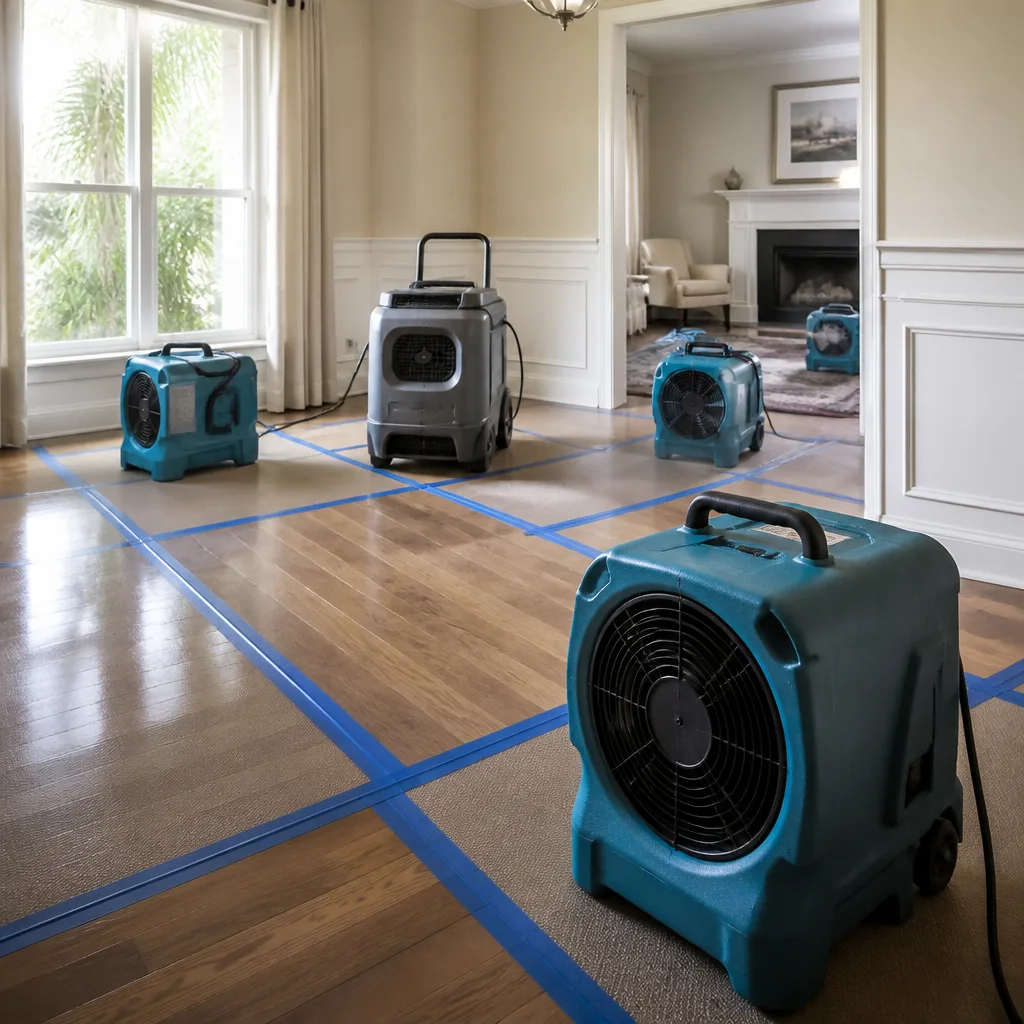
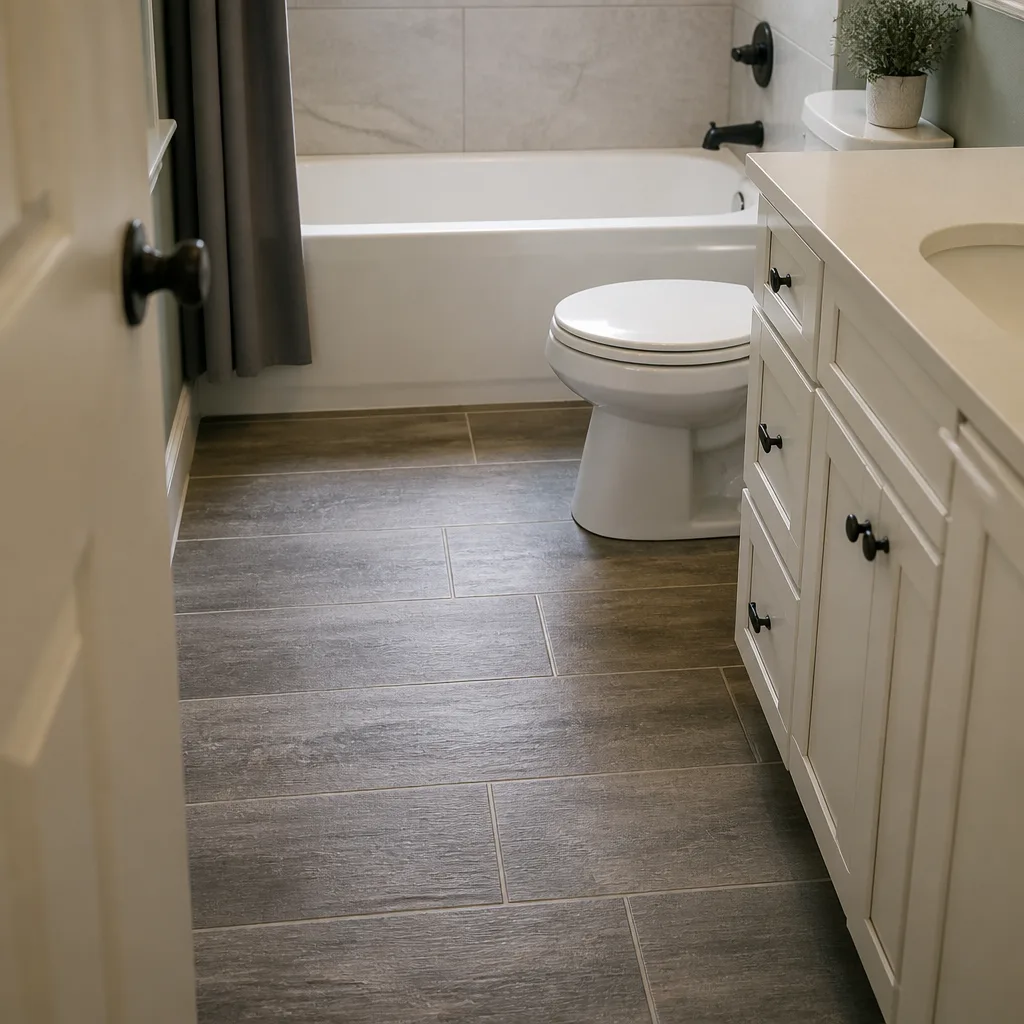
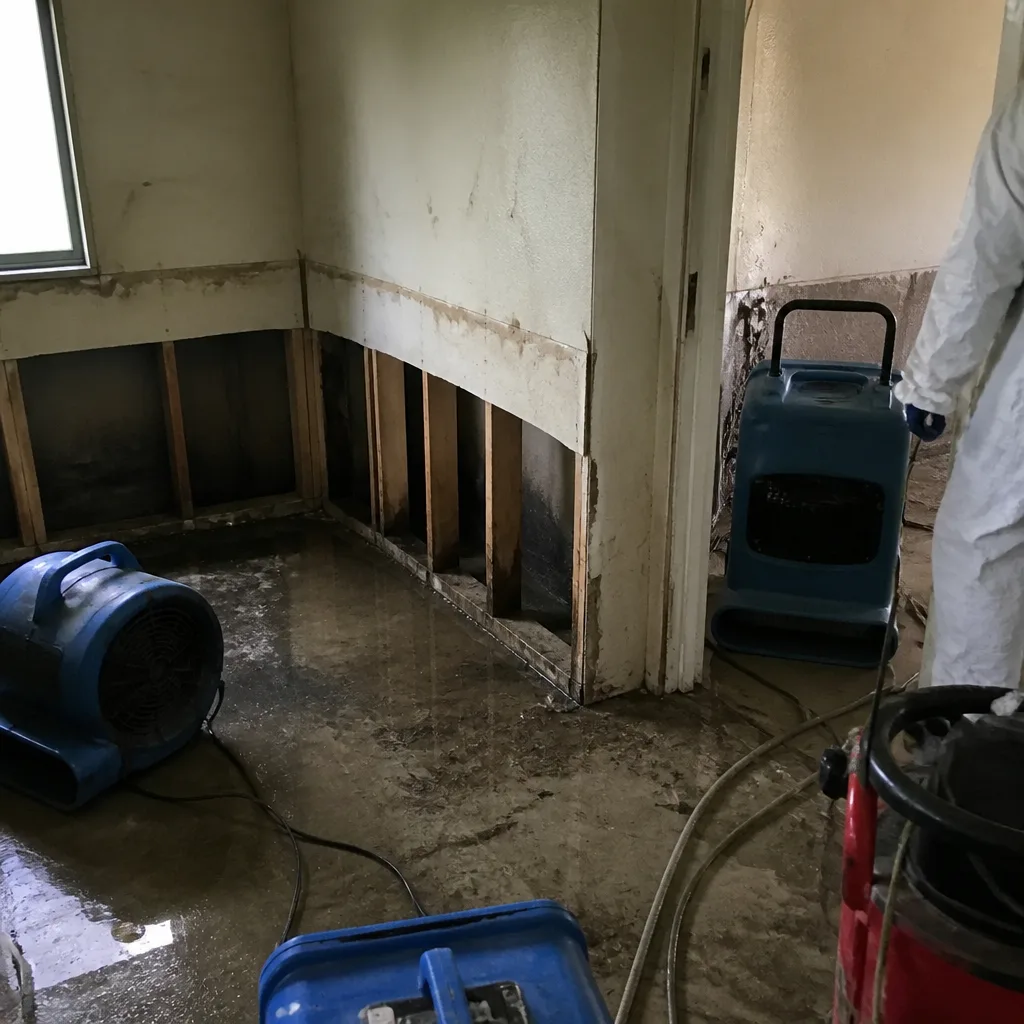 Before
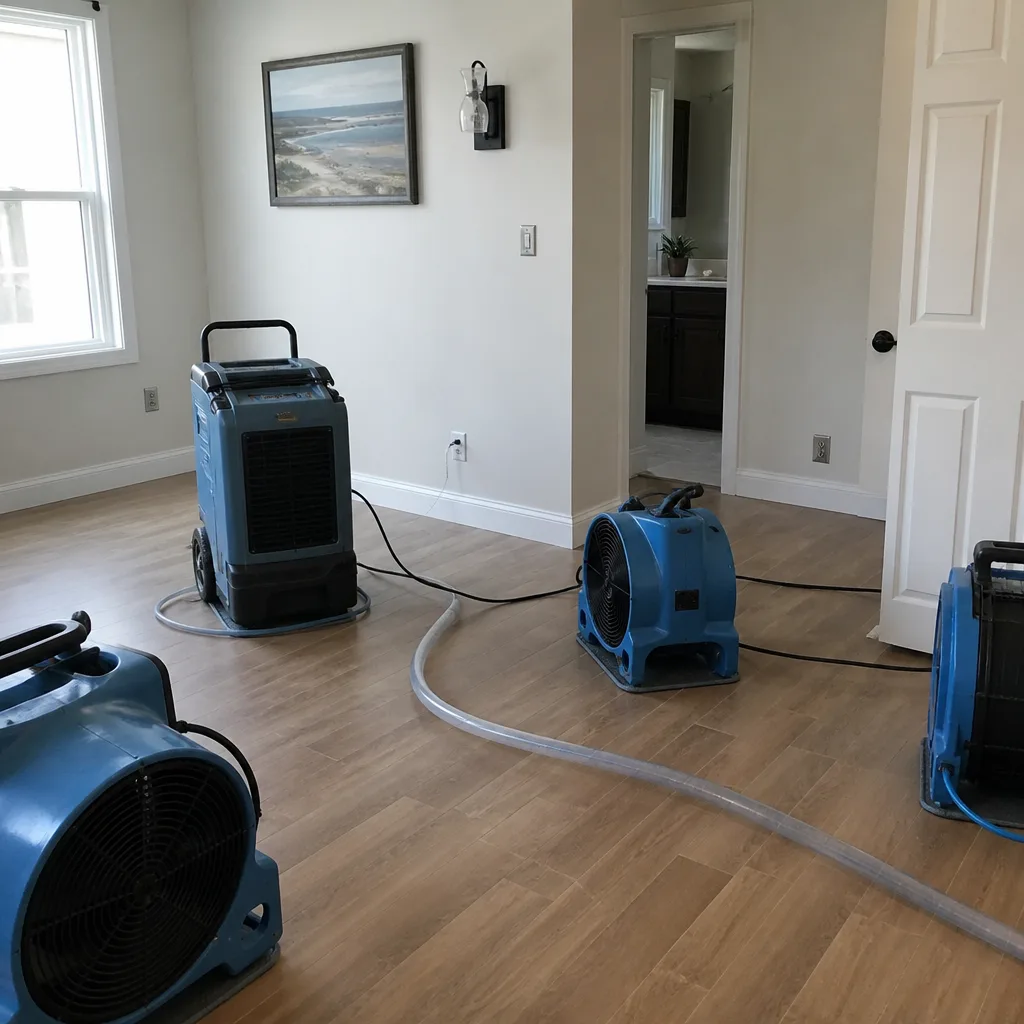 After
After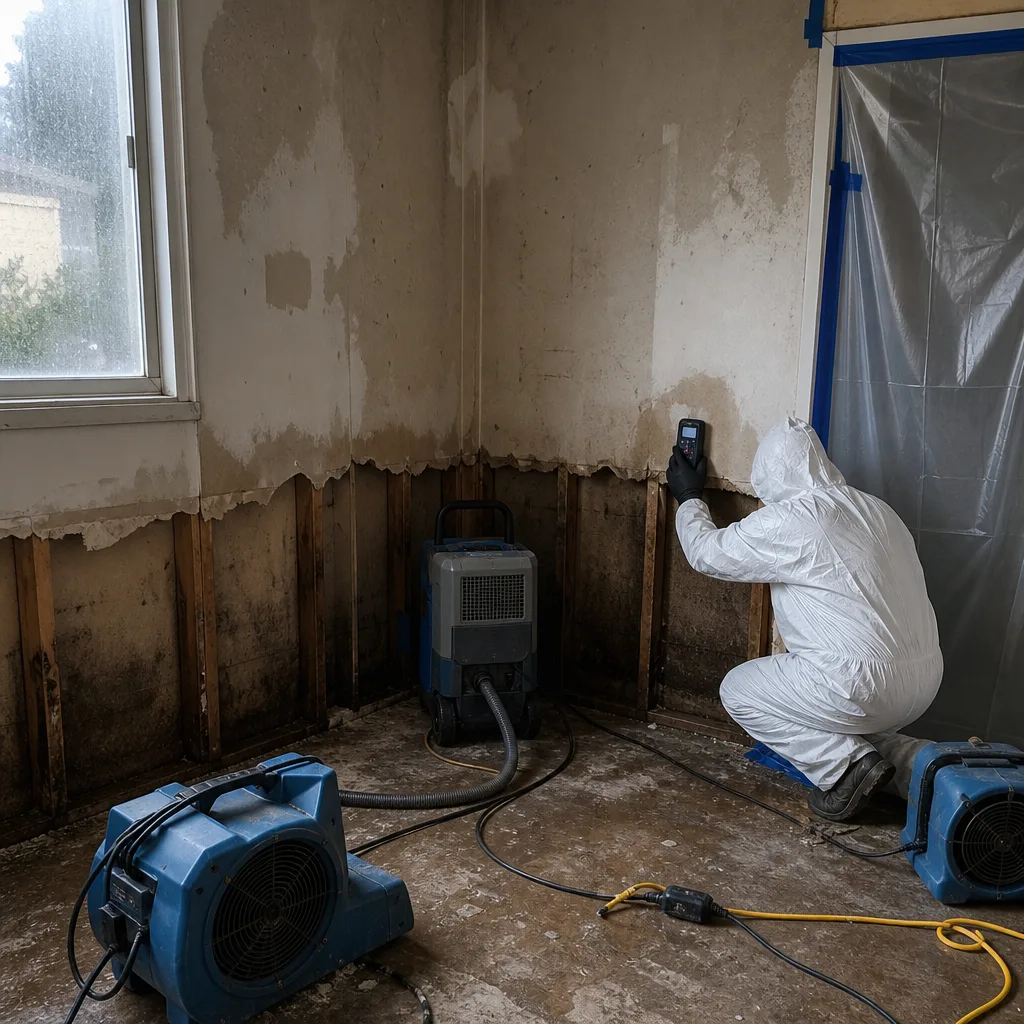 Before
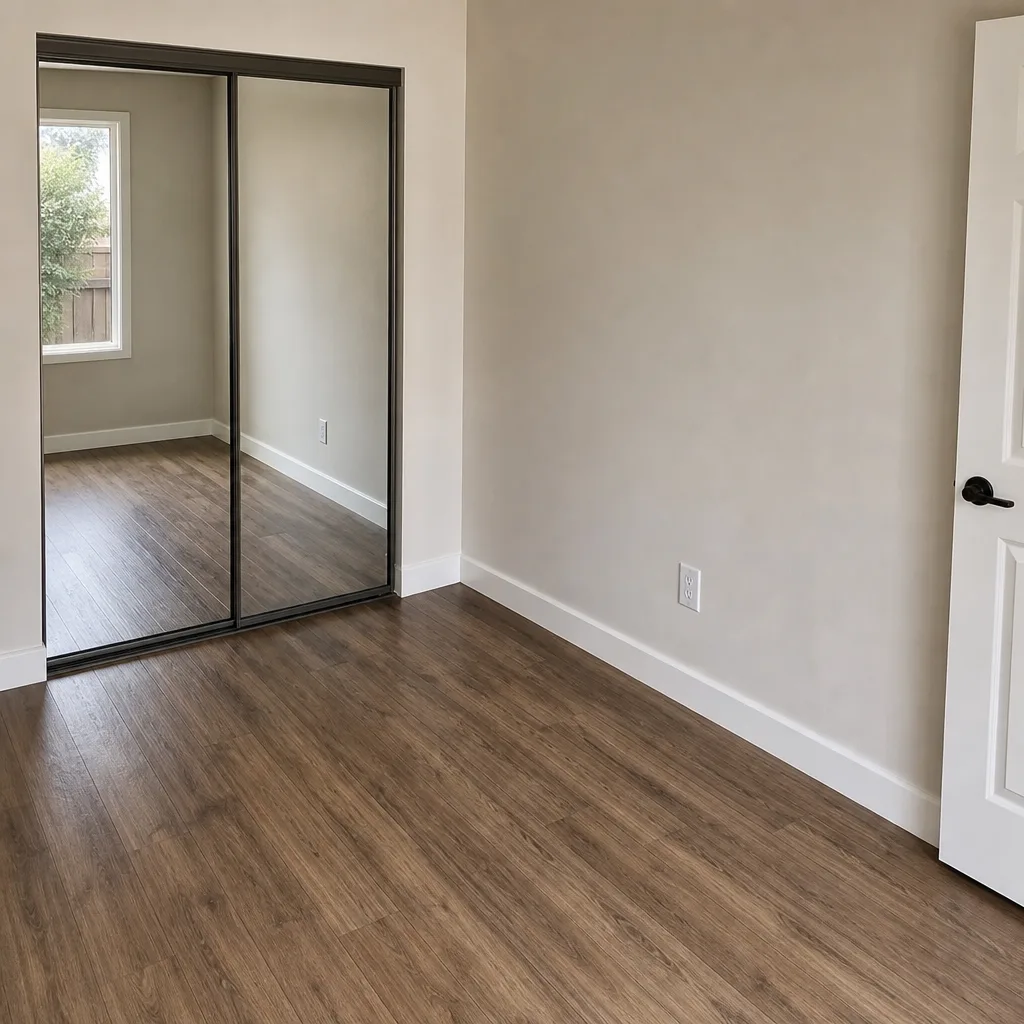 After
After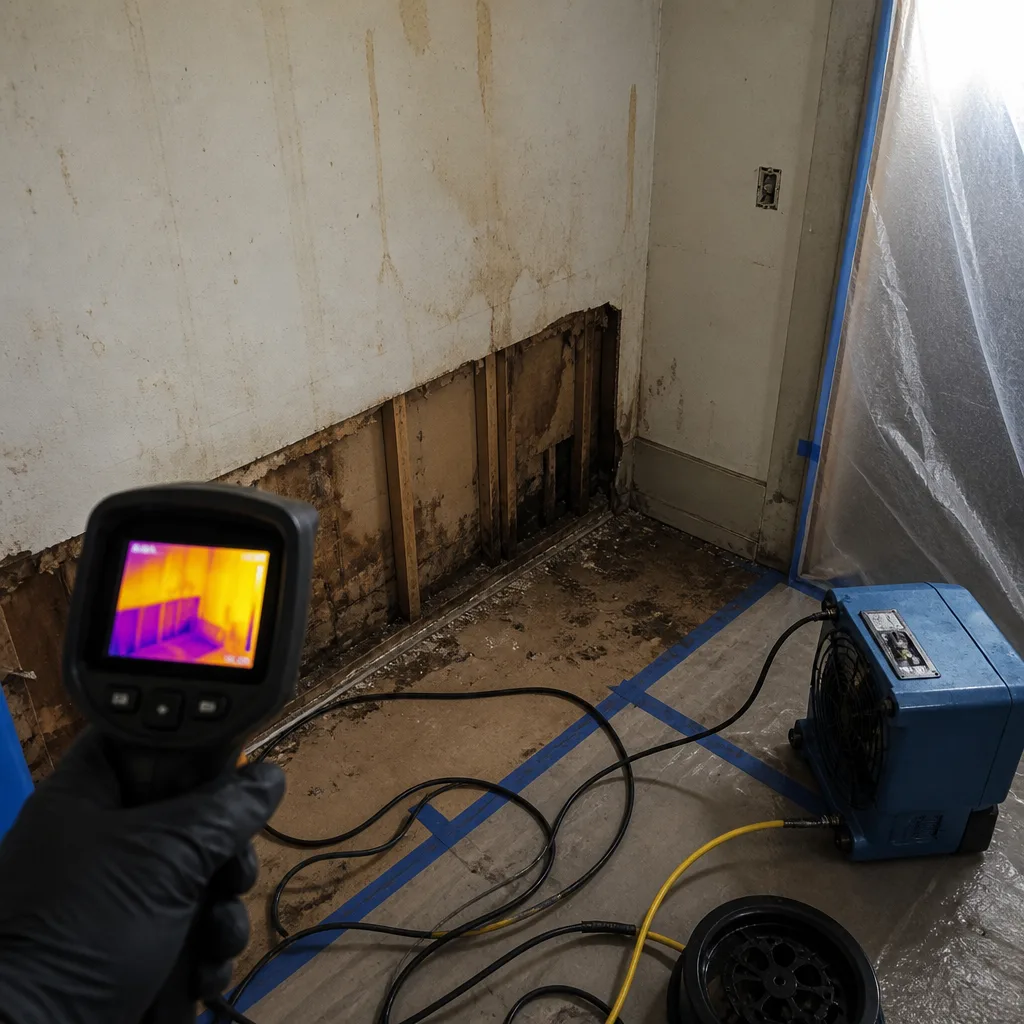 Before
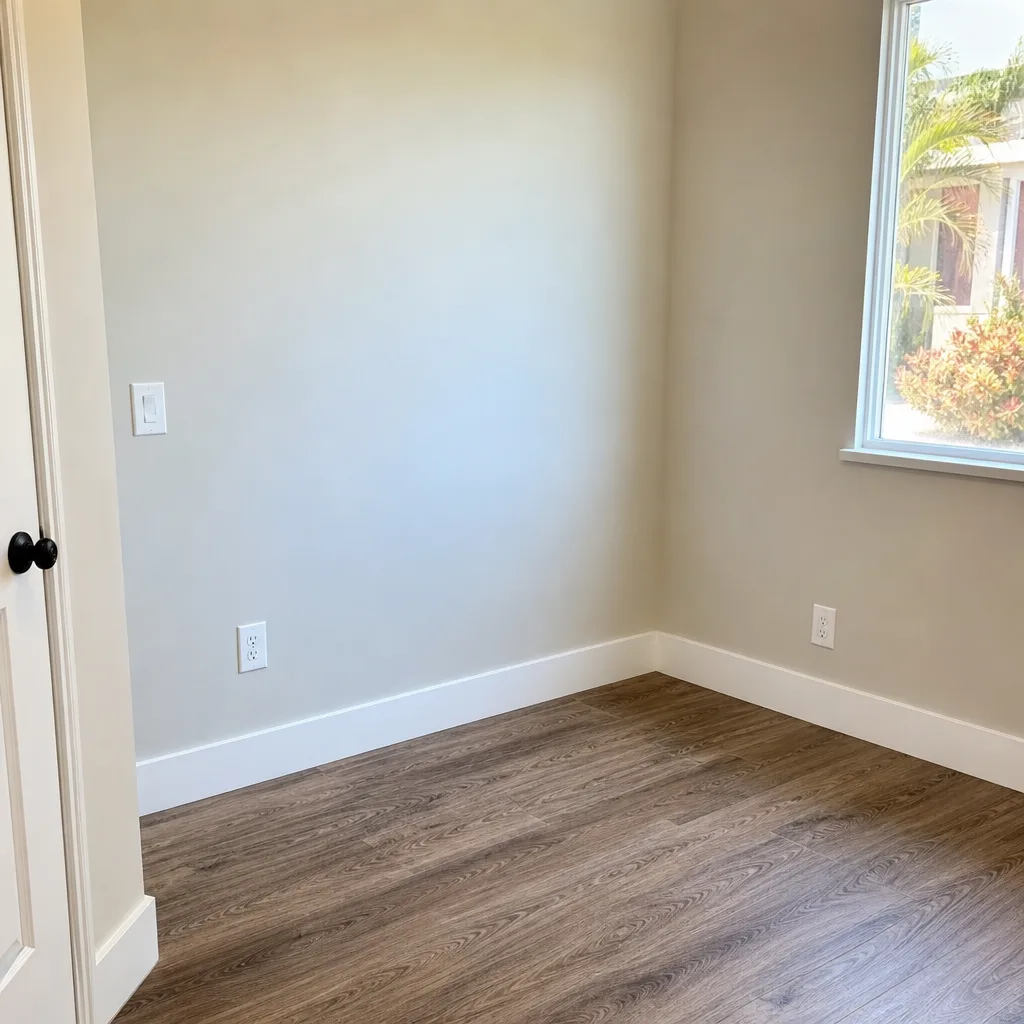 After
AfterDamage Restoration Permits, Codes & Inspections in CA: What You Need to Know
A homeowner in San Diego County who accepts a restoration contractor’s assurance that “this job doesn’t need a permit” is taking on personal liability for every subsequent buyer, inspector, and insurer who touches that property. In Escondido, we’ve reviewed claims where unpermitted water damage reconstruction - a $23,000 kitchen rebuild in a 2019 Felicita Ranch purchase, a $41,000 second-story restoration in Old Escondido - surfaced as title defects at resale, forcing sellers to either pull retroactive permits at triple the cost or accept purchase-price reductions that dwarfed the original savings. This guide explains which restoration scopes trigger permits in California, which qualify for repair exemptions, and why the inspection sign-off matters more than most homeowners realize. For more guides & resources, see our blog.
Quick Answer
Most water damage mitigation (drying, demolition, mold removal under 10 square feet) does not require a building permit in California, but reconstruction of structural, electrical, or plumbing components almost always does. In Escondido, the City Building Division requires permits for any work exceeding $1,000 in value or affecting load-bearing elements, and unpermitted restoration creates a documented title defect that insurers can cite to deny future claims. The safest path: demand your restoration contractor specify in writing which permits they will pull, which exemptions apply, and who schedules the inspections. For help evaluating contractors, see How to Hire a Damage Restoration Contractor in Escondido: A Step-by-Step Guide.
Table of Contents
- When Permits Are Required for Restoration Work in California
- Escondido Permit Rules: Square Footage, Dollar Thresholds, and Exemptions
- California Health & Safety Code Section 17920.3 and “Substandard Conditions”
- Cal/OSHA Requirements for Mold Remediation Over 10 Square Feet
- Why Insurance Adjusters Request Permit Numbers on Large Claims
- The Inspection Sign-Off as Independent Third-Party Verification
- Common Mistakes to Avoid
- When to Call a Professional
- Frequently Asked Questions
BeforeAfterWhen Permits Are Required for Restoration Work in California
California Building Standards Code (Title 24) divides restoration work into two categories with different permit requirements: mitigation and reconstruction. Understanding the distinction protects you from contractors who blur the line to avoid paperwork.
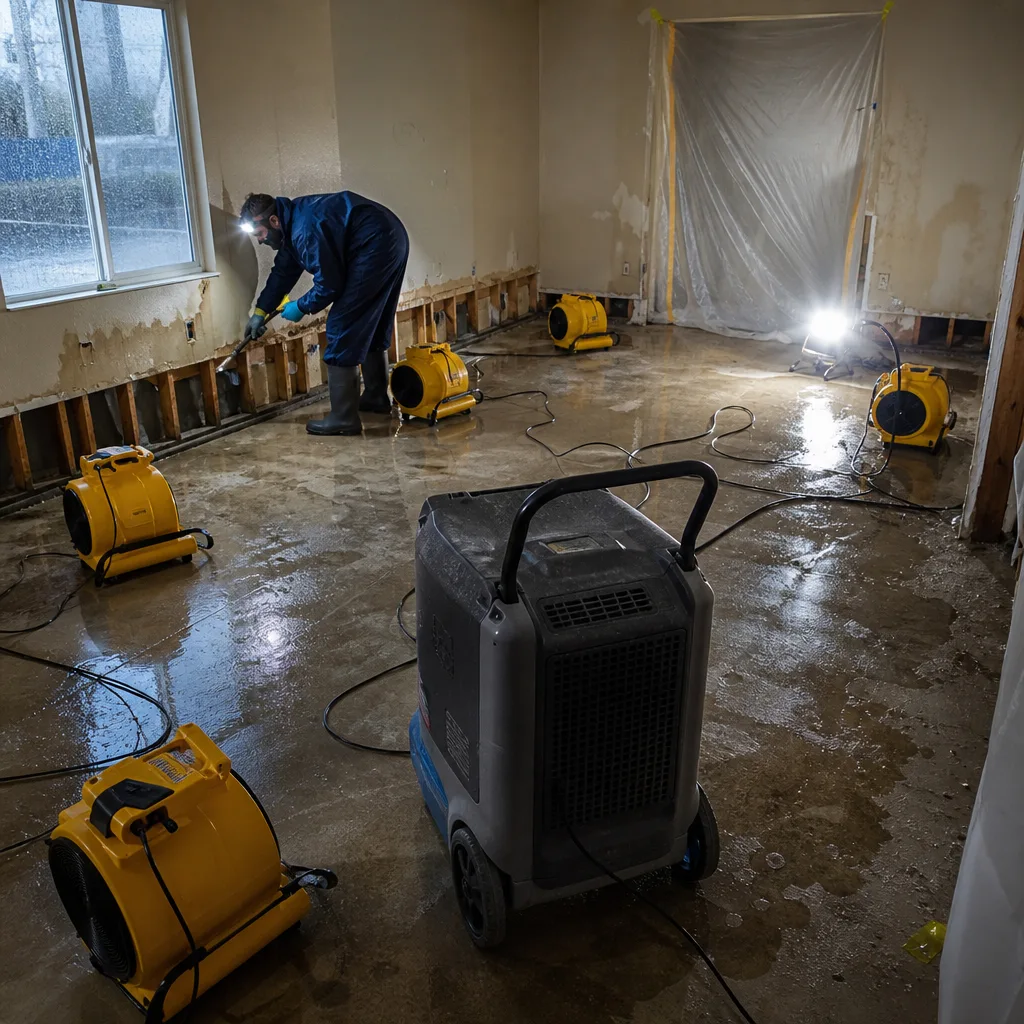
Mitigation work - water extraction, structural drying, controlled demolition, and surface mold treatment - generally does not require a building permit. This is emergency stabilization. We deploy Dri-Eaz and Phoenix dehumidification systems, document psychrometric data (temperature, relative humidity, and vapor pressure differential, which measures how aggressively moisture moves from wet materials into the air), and remove unsalvageable drywall or flooring. None of this triggers permit requirements, provided we do not alter electrical, plumbing, or structural systems.
Reconstruction work - replacing subfloors, reframing walls, rewiring circuits, replumbing supply lines - almost always requires permits. The 2022 California Residential Code, Chapter 1, Section R105.1, mandates permits for “construction, reconstruction, alteration, repair, removal, or demolition” of any building or structure. Specific triggers include:
- Any work affecting load-bearing walls, headers, or foundation elements
- Electrical circuit additions, panel upgrades, or rewiring beyond like-for-like replacement
- Plumbing modifications to supply lines, drains, or vent stacks
- HVAC ductwork replacement or relocation
- Roofing or exterior wall repairs exceeding 25% of total surface area in a 12-month period
The “like-for-like” exemption trips up many homeowners. Replacing a water-damaged electrical outlet with an identical GFCI unit on the same circuit? No permit. Extending that circuit to serve a new appliance location? Permit required. In a 2023 Old Escondido restoration, a contractor replaced flood-damaged drywall but also relocated a kitchen outlet 18 inches to accommodate a revised cabinet layout. The relocation required an electrical permit; the contractor skipped it. The homeowner discovered the omission during a 2024 refinance, when the lender’s appraisal flagged the unpermitted electrical work.
California Health & Safety Code Section 17958.5 creates a residential repair exemption for “ordinary minor repairs,” but the exemption explicitly excludes “structural, electrical, plumbing, or mechanical work.” The exemption also caps work at $1,000 in materials and labor in many jurisdictions, though local amendments vary. Escondido’s municipal code adopts the state threshold with additional requirements for work in designated historic districts.
Escondido Permit Rules: Square Footage, Dollar Thresholds, and Exemptions
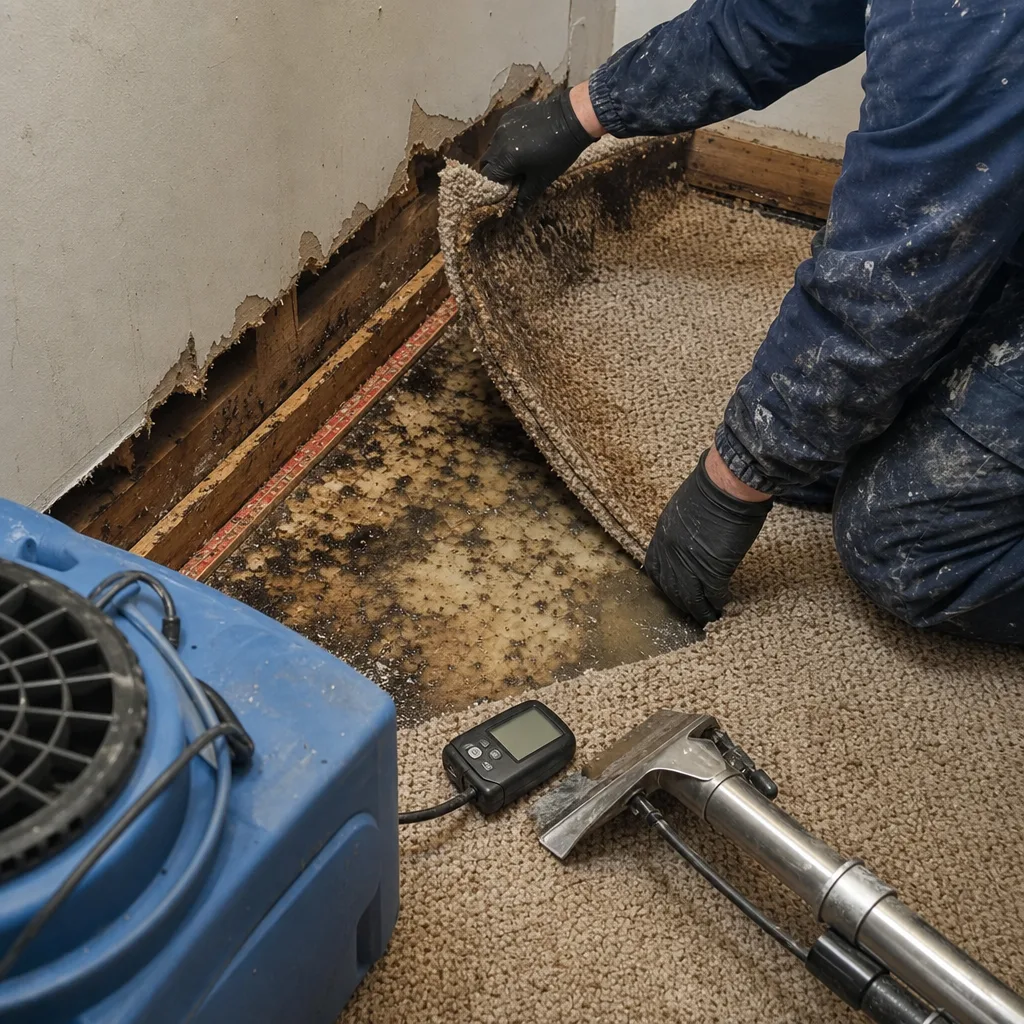
The City of Escondido Building Division operates under the 2022 California Building Code with local amendments specific to San Diego County’s seismic zone, fire hazard severity ratings, and water conservation requirements. For restoration contractors and homeowners, three thresholds determine whether permits are mandatory.
First: the dollar threshold. Escondido requires permits for any repair or alteration exceeding $1,000 in value, including materials and labor. This is lower than some neighboring jurisdictions; Carlsbad and San Marcos use the same $1,000 figure, while unincorporated San Diego County applies a $5,000 threshold for certain residential repairs. A $1,200 water damage repair that replaces subfloor sheathing and finishes with matching materials triggers the permit requirement in Escondido even if no structural elements are altered.
Second: the square footage threshold for like-for-like replacement. Escondido allows permit-free replacement of damaged materials if the work is “in-kind” and does not exceed 25% of the total room or building component in any 12-month period. Replace 200 square feet of drywall in an 800-square-foot basement? Permit required. Replace the same 200 square feet in a 2,000-square-foot ground floor? Exempt, provided the new drywall matches the original fire rating and thickness.
Third: the historic district overlay. Properties in the Old Escondido Historic District, the Broadway Corridor, or designated landmark structures require Historic Preservation Commission review for any exterior modification, regardless of dollar value. A 2022 fire restoration on Hickory Street required HPC approval for replacement windows that matched the original 1920s profiles - even though the windows were insurance-mandated replacements of fire-damaged units.
Escondido’s permit fee schedule for restoration work (2024) runs:
- Building permit for residential repair/alteration: $150 base plus $12 per $1,000 of valuation
- Electrical permit: $125 base plus per-circuit fees
- Plumbing permit: $125 base plus per-fixture fees
- Combination permit (building + electrical + plumbing): $300 base with consolidated inspection scheduling
- Re-inspection fee for failed inspections: $150 per occurrence
The City offers expedited permitting for emergency repairs through the Emergency Repair Program. A licensed contractor can perform emergency stabilization (board-up, water extraction, temporary weatherproofing) and apply for permits within 72 hours. We’ve used this program for storm damage in Kit Carson and Central Escondido neighborhoods where immediate tarping prevented secondary damage while permit applications were prepared.
Escondido’s climate amplifies permit considerations in ways inland California cities do not. The city’s location in a semi-arid Mediterranean zone with occasional intense winter storms means water damage often involves both immediate flooding and delayed mold proliferation. A permit-free mitigation might legally address the water, but if reconstruction delays permit the mold to exceed 10 square feet, Cal/OSHA requirements activate - and those requirements include documentation that many contractors without proper licensing cannot provide.
California Health & Safety Code Section 17920.3 and “Substandard Conditions”
Section 17920.3 of the California Health & Safety Code defines “substandard building” conditions that local enforcement agencies must address. For restoration contractors, this statute creates a duty that runs parallel to permit requirements: even permit-exempt work must correct substandard conditions, and failure to do so creates a documented deficiency that surfaces in future transactions.
The statute lists 13 categories of substandard conditions. In restoration work, four categories appear repeatedly:
- Dampness of habitable rooms - moisture readings above 16% wood moisture content in structural materials, or visible mold growth on interior surfaces
- Lack of adequate ventilation - bathroom exhaust fans below 50 CFM, kitchen ventilation below 100 CFM, or crawl space ventilation below 1 square foot per 150 square feet of floor area
- Faulty electrical wiring - ungrounded outlets in post-1962 construction, aluminum branch circuit wiring without approved connectors, or circuits without AFCI/GFCI protection where required
- Structural deterioration - wood rot exceeding 10% cross-sectional area in load-bearing members, or foundation cracks with measurable displacement
Here’s why this matters to homeowners in Escondido. A restoration contractor who dries a water-damaged crawl space but does not restore ventilation to code-minimum standards has left a substandard condition. The work might pass a casual visual inspection. It will not pass a home inspector’s moisture meter during a future sale. And if that moisture meter finds elevated readings, the inspector is required by California Business and Professions Code Section 7195 to document the condition - creating a disclosure obligation for the seller.
The title defect risk is concrete. In California, sellers must disclose material facts affecting property value. A documented substandard condition from prior unpermitted or incomplete restoration is a material fact. We’ve reviewed files where sellers faced $15,000-$40,000 price reductions or were forced to complete remedial work with retroactive permits at 2-3 times the original cost. In a 2021 Escondido sale in the Harmony Grove area, a water damage restoration completed in 2018 without permit or ventilation correction surfaced during buyer inspection. The seller paid $18,400 for crawl space remediation, permit retroactive fees, and mold clearance testing - work that would have cost $4,200 if done correctly during the original restoration.
California’s Substandard Building Law also creates enforcement pathways. Local building officials can issue correction notices, and if uncorrected, can record notices of violation that cloud title. Insurance companies increasingly search these records during underwriting. A property with a history of substandard conditions, even corrected, may face higher premiums or coverage exclusions for water damage.
Our documentation protocol addresses this explicitly. Every water damage restoration in Escondido includes moisture mapping with documented readings at dry standard (typically 10-12% wood moisture content in this climate), ventilation verification against current code, and photographic evidence of corrected conditions. The Haven Standard, Clause 4, requires this documentation as a deliverable - not because insurers demand it, but because future buyers and their inspectors will.
Cal/OSHA Requirements for Mold Remediation Over 10 Square Feet
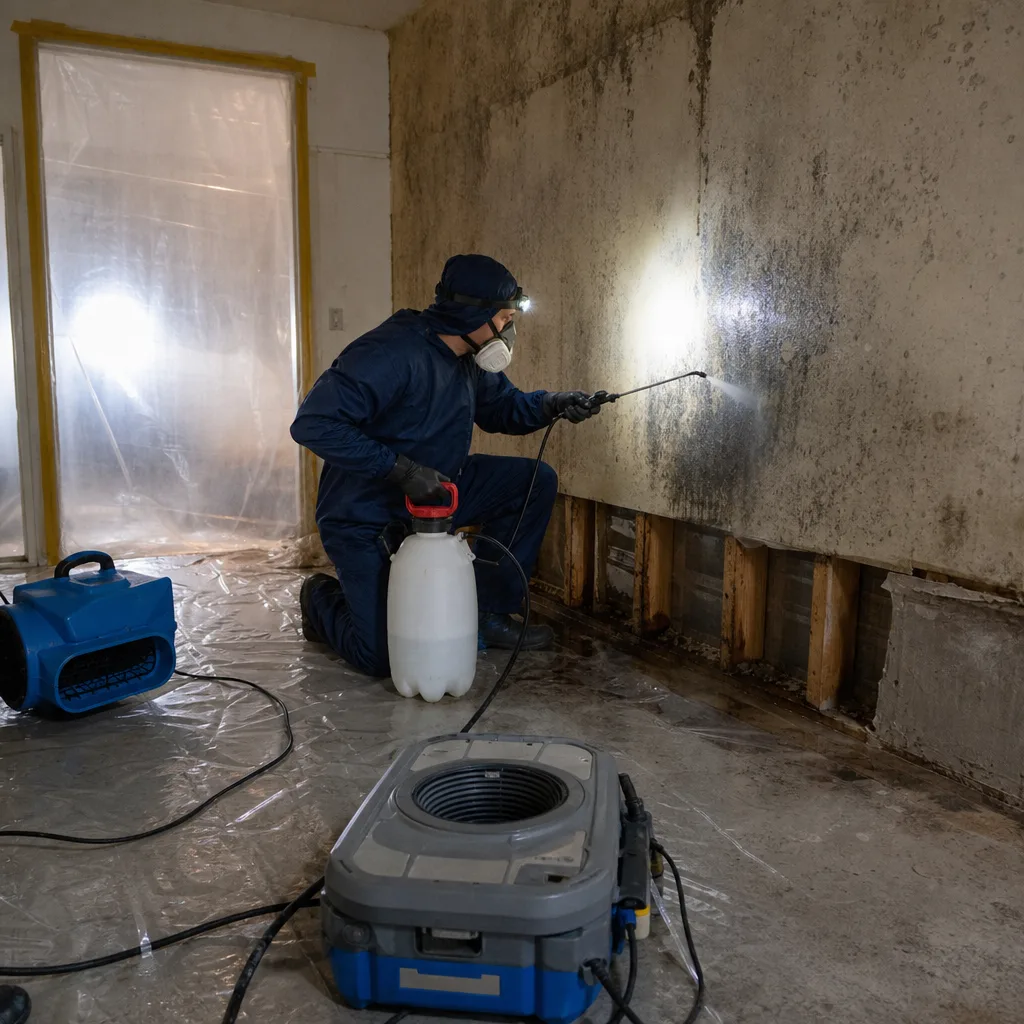
The Division of Occupational Safety and Health (Cal/OSHA) regulates mold remediation through Title 8, Section 5208, and the Mold Remediation in Schools and Commercial Buildings guidelines (though residential work follows analogous standards through the IICRC S520). The 10-square-foot threshold is the critical boundary: below it, general restoration contractors may perform remediation with standard PPE. Above it, specific documentation, containment, and worker protection requirements apply.
For Escondido homeowners, this threshold is surprisingly easy to cross. A water leak behind a standard 8-foot kitchen base cabinet, with mold growth extending 18 inches up the drywall and 24 inches along the adjacent wall, exceeds 10 square feet. A crawl space with spotty growth across 15 linear feet of rim joist exceeds 10 square feet. Many contractors minimize the affected area verbally to stay below the threshold, but Cal/OSHA measures actual affected surface area - not the contractor’s estimate.
When the 10-square-foot threshold is exceeded, the contractor must document:
- Initial assessment - square footage of visible mold, moisture source identification, and classification of water damage by IICRC Category (1, clean water; 2, gray water; 3, black water)
- Containment plan - negative air pressure requirements (typically 0.02 inches of water column differential), polyethylene barrier specifications, and decontamination chamber design for large projects
- Worker protection - respiratory protection (minimum N-95 for areas under 100 square feet; half-face respirator with P100 filters for larger areas), protective clothing, and eye protection
- Remediation protocol - removal methods, disposal procedures, and antimicrobial application with EPA-registered products
- Post-remediation verification - visual inspection, moisture measurement, and optional air sampling or ERMI dust analysis
The documentation requirement is where many Escondido contractors fail. Cal/OSHA does not mandate specific forms, but it requires records be maintained for the duration of employment plus five years. In practice, this means the contractor must produce assessment documentation if requested by a future property owner, insurer, or enforcement agency. Contractors who operate without proper licensing often lack this documentation - or discard it when the immediate job concludes.
We’ve encountered this in mold remediation in Escondido where previous contractors performed work without documentation. In a 2023 Del Dios property, a 2019 mold remediation of approximately 30 square feet in a garage conversion had no assessment records, no containment photographs, and no post-remediation verification. The current owner faced a $6,800 re-remediation when mold recurred, with the original contractor unresponsive and their business dissolved. The insurer denied coverage for the re-remediation, citing the lack of documentation that proper initial remediation had occurred.
Our protocol exceeds Cal/OSHA minimums. Every mold project over 10 square feet receives: written assessment with square footage calculations and moisture source analysis; containment photographs with timestamp and GPS metadata; daily worker PPE verification logs; and post-remediation clearance with third-party laboratory analysis when required by the scope or insurer. This documentation is delivered to the homeowner, not retained solely by our office.
The vapor pressure differential - the measurable force that drives moisture from wet materials into drier air - is particularly relevant in Escondido’s climate. Our semi-arid conditions create steep vapor pressure differentials during summer months, which accelerates surface drying but can trap moisture in wall cavities. A contractor who measures only surface conditions may declare a project dry while concealed moisture sustains mold growth. Our documentation includes cavity readings with borescopes and thermal imaging, recorded on daily drying logs that become part of the permanent file.
Why Insurance Adjusters Request Permit Numbers on Large Claims
On reconstruction claims exceeding $10,000, most major insurers now require permit numbers as a condition of supplement approval. This practice expanded after 2019, when California Department of Insurance Bulletin 2019-04 clarified that insurers may verify code compliance as part of claim settlement. The requirement is not statutory - insurers cannot legally deny a covered loss solely for lack of permits - but it operates as a practical barrier to full payment.
The mechanism works through supplement documentation. A typical large water damage claim proceeds in phases: initial mitigation, emergency repairs, and reconstruction. The initial mitigation payment is usually straightforward. The reconstruction supplement, submitted after scope development, is where permit verification occurs. If the adjuster requests permit numbers and none exist, several outcomes follow:
- Supplement delay - the claim enters “documentation pending” status, often for 30-60 days while the insurer investigates
- Scope reduction - the adjuster may limit payment to “like-for-like” replacement without code-upgrade coverage, even if local code requires upgrades
- Depreciation holdback - without permit documentation, recoverable depreciation may be withheld until permits are obtained and inspections passed
- Coverage reservation - the insurer may reserve rights to deny future claims on the same structure, citing unpermitted modifications
The last outcome is the most damaging long-term. A reservation of rights letter, common in large claims, documents the insurer’s position that policy conditions may have been violated. This letter becomes part of the claim file, accessible to future underwriters through the Comprehensive Loss Underwriting Exchange (CLUE) database. A property with a reservation history faces higher scrutiny on subsequent claims, and some insurers decline to write new policies.
In Escondido, we’ve managed claims where permit documentation prevented these outcomes. A 2022 flood restoration on El Norte Parkway involved $47,000 in reconstruction, including electrical panel relocation and subfloor replacement. We pulled permits before reconstruction began, scheduled inspections in sequence with trade work, and provided permit numbers and inspection sign-offs with the supplement documentation. The insurer approved the full supplement in 11 business days - compared to a 73-day average for comparable claims without permit documentation in our files.
The fire and smoke damage restoration in Escondido we perform often involves the most complex permit requirements. Fire damage typically affects multiple building systems simultaneously - structural, electrical, HVAC, and plumbing - requiring coordinated permits and inspections. A 2023 kitchen fire in the Jesmond Dene area required building, electrical, plumbing, and mechanical permits, plus Fire Department plan check for hood suppression system restoration. We managed the permit sequence, coordinated inspections around drying requirements (fire suppression water creates secondary water damage that must be mitigated before reconstruction), and delivered complete documentation with the insurance claim. The alternative - permit-free reconstruction by a contractor promising faster completion - would have created a four-permit deficiency visible to any future title search.
Direct insurance billing, which we offer as standard practice, depends on this documentation. When we bill an insurer directly, we warrant that our invoice represents work performed to code with proper permits. The Haven Standard, Clause 7, requires this warranty in writing. A contractor who cannot produce permit documentation cannot make this warranty - and insurers increasingly recognize this limitation when evaluating direct-bill arrangements.
The Inspection Sign-Off as Independent Third-Party Verification
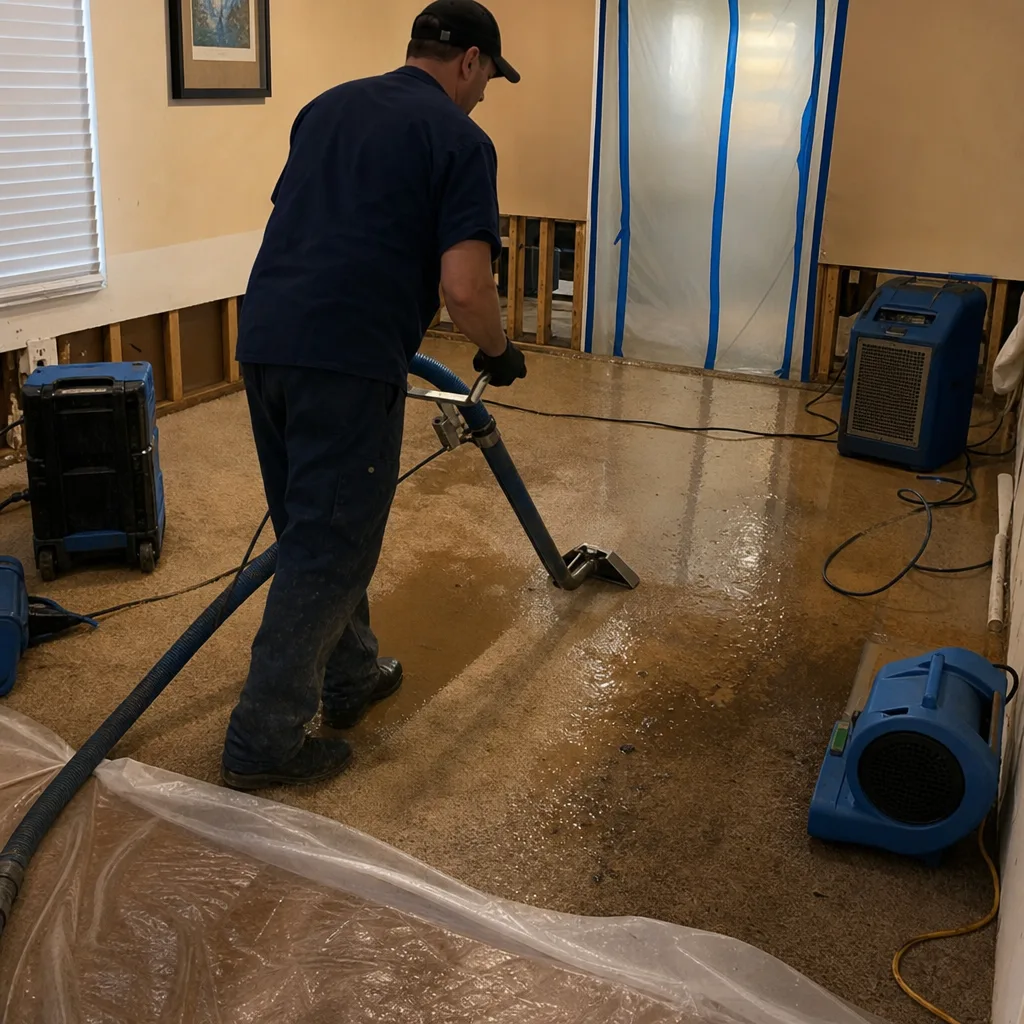
A passed municipal inspection functions as something no contractor’s word can replicate: independent, third-party verification that work met applicable code at the time of completion. This verification has specific legal and financial value that homeowners rarely appreciate until they need it.
The inspection sign-off creates a public record. In Escondido, inspection results are maintained by the Building Division and are discoverable through property record requests. A clean inspection record shows: the work was performed, it was inspected, and it passed. This record persists through ownership changes, contractor business closures, and insurance policy renewals. Contrast this with a contractor’s warranty, which is only as reliable as the contractor’s continued operation and willingness to honor it.
For future buyers, the inspection sign-off answers questions that home inspectors cannot. A home inspector evaluates visible conditions at a single point in time. They cannot verify that fire-damaged framing was replaced with correct species and grade, that electrical splices are accessible and properly enclosed, or that plumbing pressure tests were performed. The municipal inspection record documents that these verifications occurred - by a code-certified inspector, with corrective actions required for any deficiencies.
The financial value manifests in several ways. Properties with complete permit and inspection records for restoration work command higher sale prices: a 2022 study by the National Association of Realtors found that unpermitted work reduced sale prices by 2-5% on average, with the penalty concentrated in higher-price markets like coastal California. In Escondido’s 2023 market, that translated to $15,000-$40,000 on typical restored properties. Lenders also treat unpermitted work as a risk factor; FHA and VA loans require verification that work affecting structural, electrical, or plumbing systems was properly permitted.
Our documentation protocol treats the inspection sign-off as a deliverable, not merely a regulatory checkpoint. For every permitted restoration, we:
- Schedule inspections at logical work phases (rough framing, rough electrical/plumbing, insulation, final) to minimize re-inspection fees
- Photograph inspection-ready conditions before the inspector arrives, creating a record of what the inspector observed
- Obtain signed inspection cards or electronic sign-off documentation, with permit number and inspection date
- Deliver copies to the homeowner with the final project documentation package, including the written scope, photo record, and 365-Day Done Right Promise
The Haven Standard, Clause 6, requires this delivery: “All permit documentation, inspection records, and code-compliance certifications shall be provided to the property owner in writing within five business days of final inspection.” This is not standard practice in the restoration industry. Most contractors file permits in their own names, retain inspection records, and provide homeowners only verbal confirmation that “everything passed.” When the contractor’s business closes or the homeowner needs documentation years later, the records are often unrecoverable.
We’ve structured our permit practice to prevent this. Permits are pulled in the property owner’s name where local code allows, with DryMark Restoration Escondido listed as the licensed contractor of record. This ensures the permit record attaches to the property, not to our business. If a future owner needs verification, they contact the City of Escondido Building Division directly - no dependency on our continued operation.
Common Mistakes to Avoid
- Accepting a contractor’s verbal assurance that “this doesn’t need a permit.” In Escondido, any reconstruction over $1,000 requires verification, not assumption. Demand the exemption citation in writing, with the specific code section.
- Permitting in the contractor’s name only. If the contractor disappears, the permit record may be difficult to retrieve. Ensure permits are filed with you as property owner of record.
- Skipping the final inspection to save time. Rough inspections verify concealed work; final inspection verifies finished conditions and code compliance. Both are necessary for complete documentation.
- Assuming insurance-mandated work is automatically code-compliant. Insurers estimate replacement cost; they do not verify code compliance. A supplement for code-upgrade coverage requires permit documentation showing the upgrade was required and performed.
- Ignoring Cal/OSHA mold thresholds. A contractor who visually estimates “about 8 square feet” without measurement may be avoiding documentation obligations. Insist on written square footage calculation.
- Discarding documentation after claim closure. Retain permits, inspection records, and contractor warranties for the duration of ownership plus seven years. These documents transfer value at sale.
- Hiring unlicensed contractors for “just the drying.” Even mitigation-only work affects future reconstruction scope. An unlicensed dryer’s demolition may remove structural elements or create access that requires permits a licensed contractor would have anticipated.
When to Call a Professional
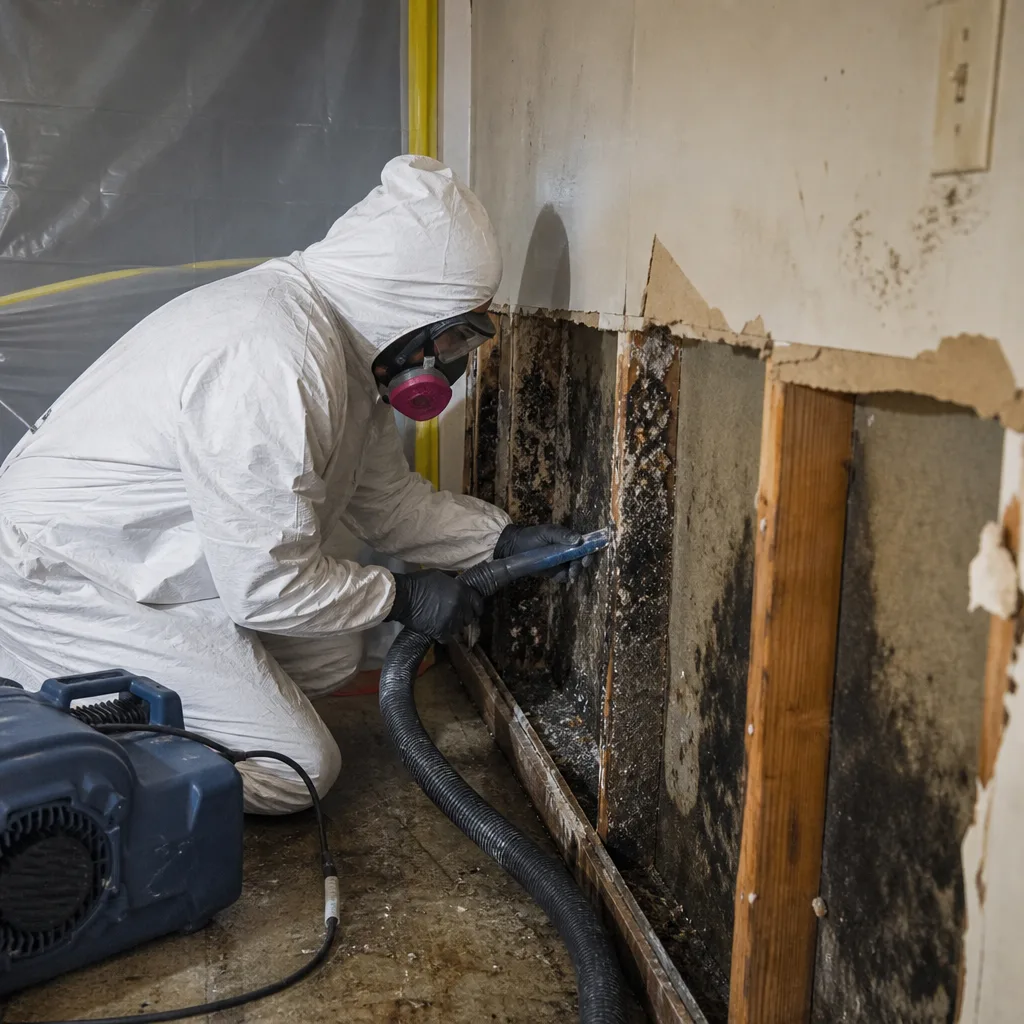
Call a licensed restoration contractor when: water damage affects multiple rooms or has been present more than 48 hours; mold growth is visible on more than one surface or exceeds your ability to measure accurately; fire or smoke damage has affected electrical systems, HVAC, or structural elements; or any reconstruction will exceed $1,000 and involve building, electrical, or plumbing components. In Escondido, the combination of seismic requirements, fire hazard ratings, and water conservation codes creates permit complexity that rewards early professional involvement. Unsure whether to handle repairs yourself? Read our DIY vs Professional Damage Restoration: The Escondido Homeowner’s Decision Guide.
DryMark Restoration Escondido offers free estimates in Escondido - call (760) 691-2950. Every estimate includes written identification of required permits, applicable exemptions, and the documentation you will receive. We do not begin work without a written price, and we do not leave a job without delivering complete permit and inspection records. The Haven Standard requires both.
Frequently Asked Questions
No. Water extraction, structural drying with professional dehumidification equipment, and removal of damaged materials (drywall, flooring, insulation) does not require a building permit in Escondido, provided the work does not alter electrical, plumbing, or structural systems. However, the reconstruction that follows - replacing subfloors, reframing, rewiring - typically does require permits. Call (760) 691-2950 for a written scope that identifies permit requirements before any work begins.
Insurers generally pay for covered losses regardless of permit status, but they increasingly require permit documentation for reconstruction supplements and may withhold recoverable depreciation or limit code-upgrade coverage without it. A 2023 trend we’ve observed: major carriers now request permit numbers on all reconstruction claims over $10,000. Unpermitted work also creates future coverage risk through reservation of rights letters that enter the CLUE database. We document permits with every claim to prevent these complications.
Request the permit number and verify it with the City of Escondido Building Division at (760) 691-2950 or through the online permit portal. A legitimate permit shows the property address, scope of work, contractor license number, and inspection schedule. Be cautious of contractors who claim permits are “handled internally” or “not needed for insurance work” - these are common evasions. At DryMark Restoration Escondido, we provide permit numbers in writing with every applicable estimate, under Haven Standard, Clause 6.
California sellers must disclose material facts affecting property value, including unpermitted work. Buyers’ inspectors routinely identify conditions inconsistent with permit records. Unpermitted restoration may force retroactive permitting at 2-3 times original cost, or price reductions of $15,000-$40,000 in Escondido’s market. In some cases, lenders require permit verification before funding. Complete documentation from the original restoration prevents these outcomes.
Cal/OSHA documentation is required for mold remediation exceeding 10 square feet of visible growth, or any size if the mold results from Category 3 (black) water damage. Below 10 square feet from clean water sources, standard restoration practices apply. The 10-square-foot threshold is easily exceeded: a 3-foot by 4-foot area behind a bathroom vanity qualifies. We measure and document all mold projects to ensure compliance, regardless of initial visual estimate.
Standard permit review takes 5-10 business days for residential repairs. Emergency repairs can proceed under the Emergency Repair Program with permit application within 72 hours of stabilization. Combination permits (building, electrical, plumbing) offer consolidated review and inspection scheduling. We factor permit timelines into every project schedule and communicate expected dates in writing - no surprises, no rushed work to meet unrealistic deadlines.
The Bottom Line
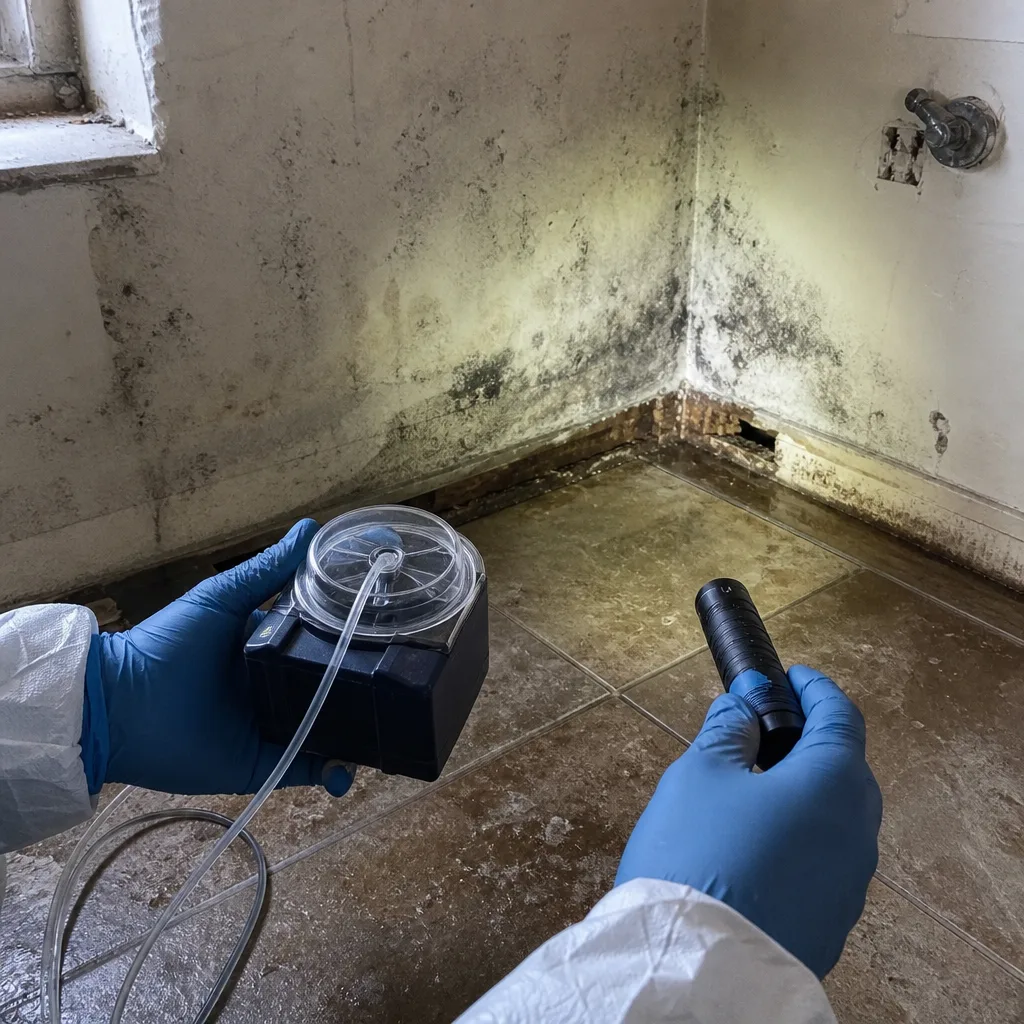
Unpermitted restoration work in California creates liability that outlasts the contractor, the insurance claim, and often the current ownership. The City of Escondido’s $1,000 permit threshold, California’s substandard building definitions, and insurers’ growing documentation requirements mean that permit compliance is no longer a bureaucratic detail - it’s financial protection. The inspection sign-off provides independent verification that no contractor’s promise can match. Demand written permit identification before work begins, verify permits independently, and retain documentation for the life of your ownership. The cost of permits is modest; the cost of their absence, measured in delayed claims, reduced sale prices, and remedial work, is not.
Written by Alicia Brennan, Owner at DryMark Restoration Escondido, serving Escondido since 2011.