
Last updated September 23, 2026
Free visual inspection and a written scope of work before any mitigation begins - photos, moisture readings, and drying logs go in your claim file
The scope we write is the scope we bill. Anything new gets shown to you, in writing, before we touch it.
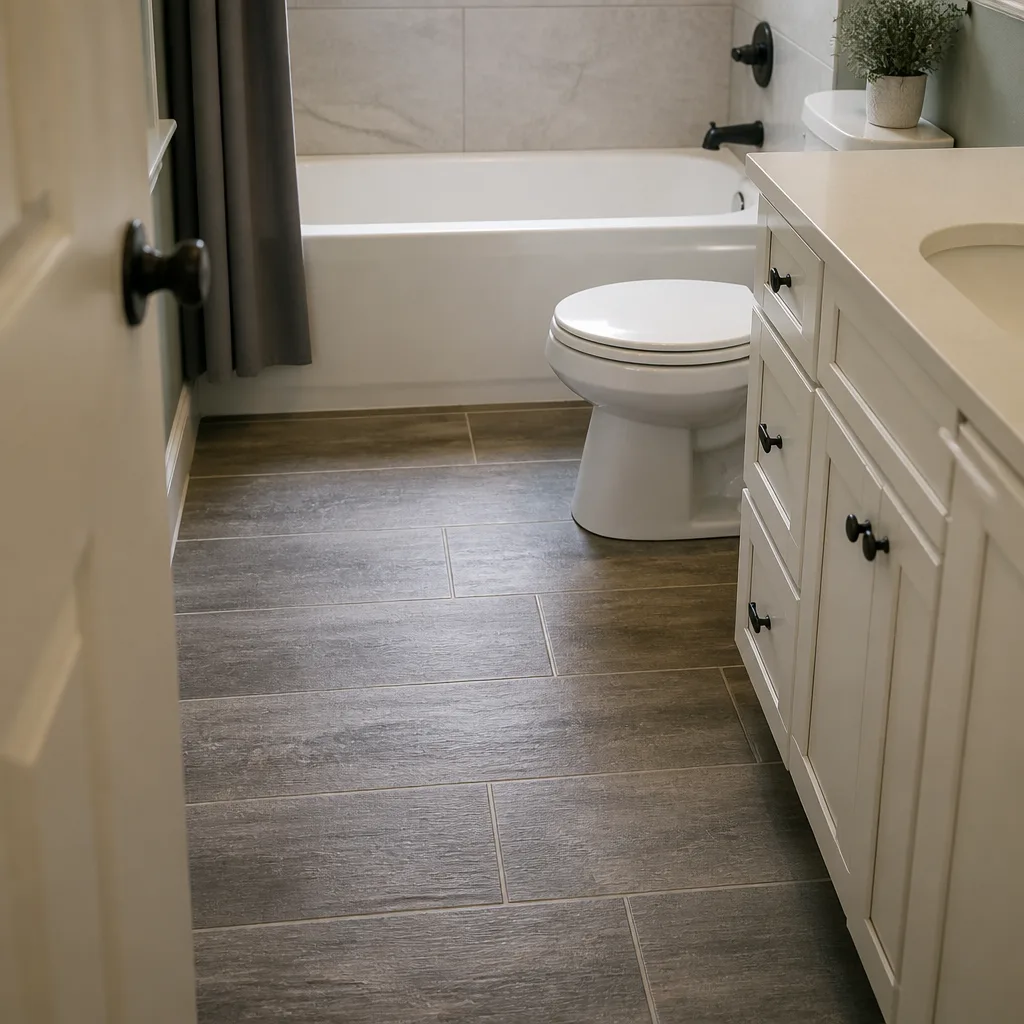
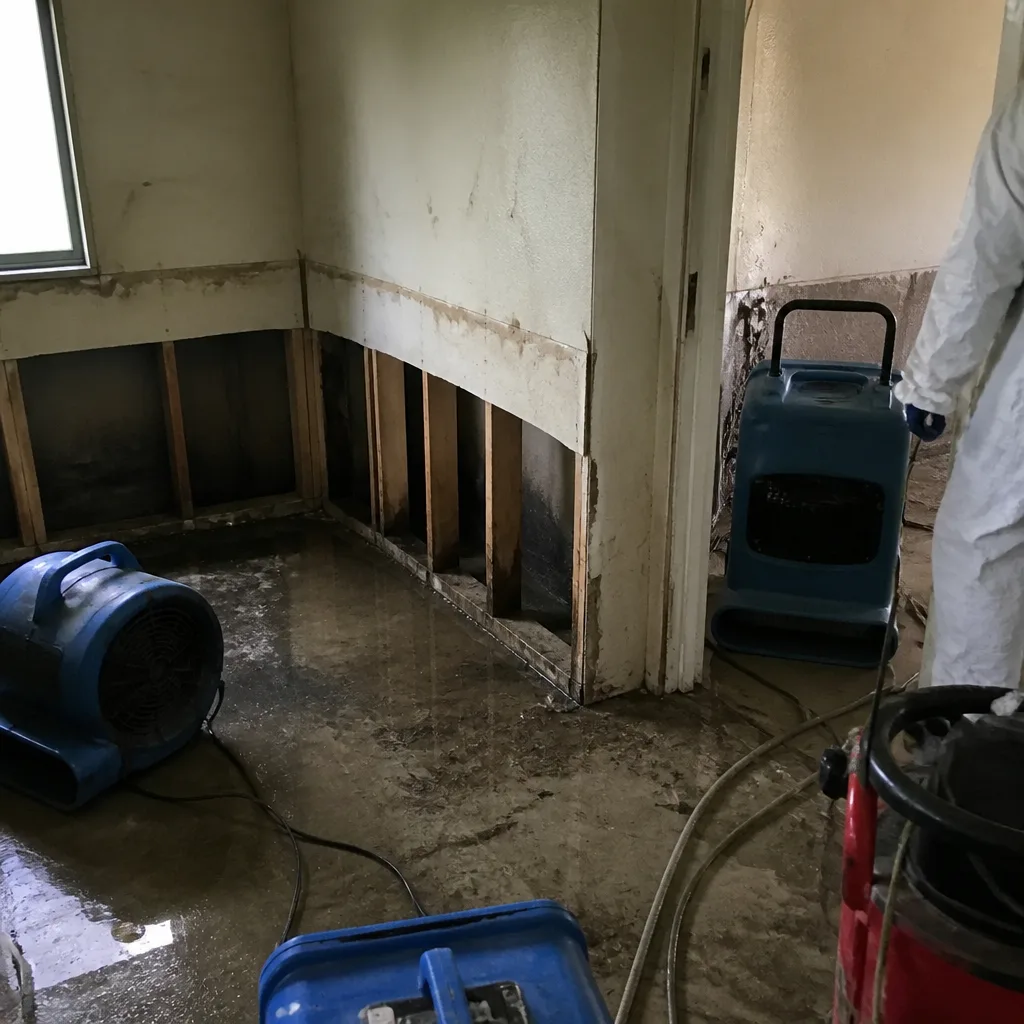 Before
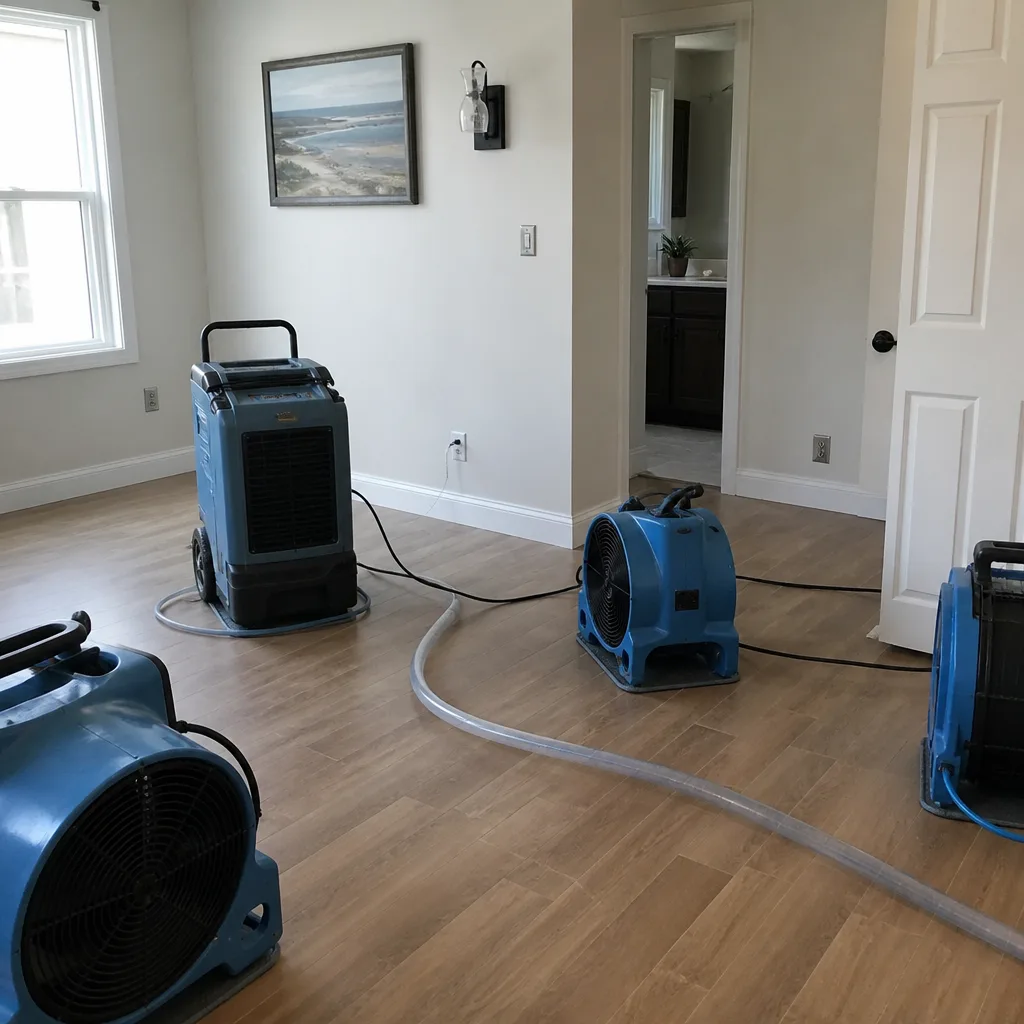 After
After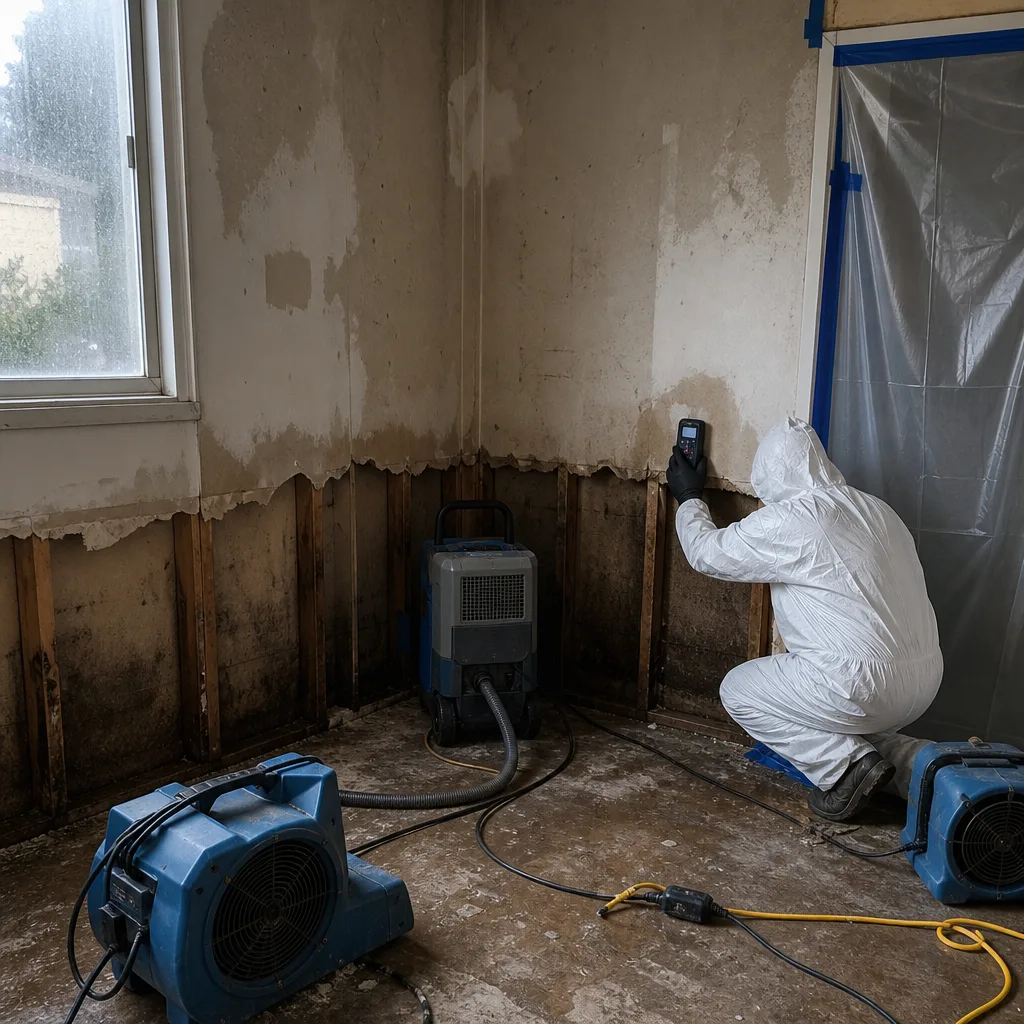 Before
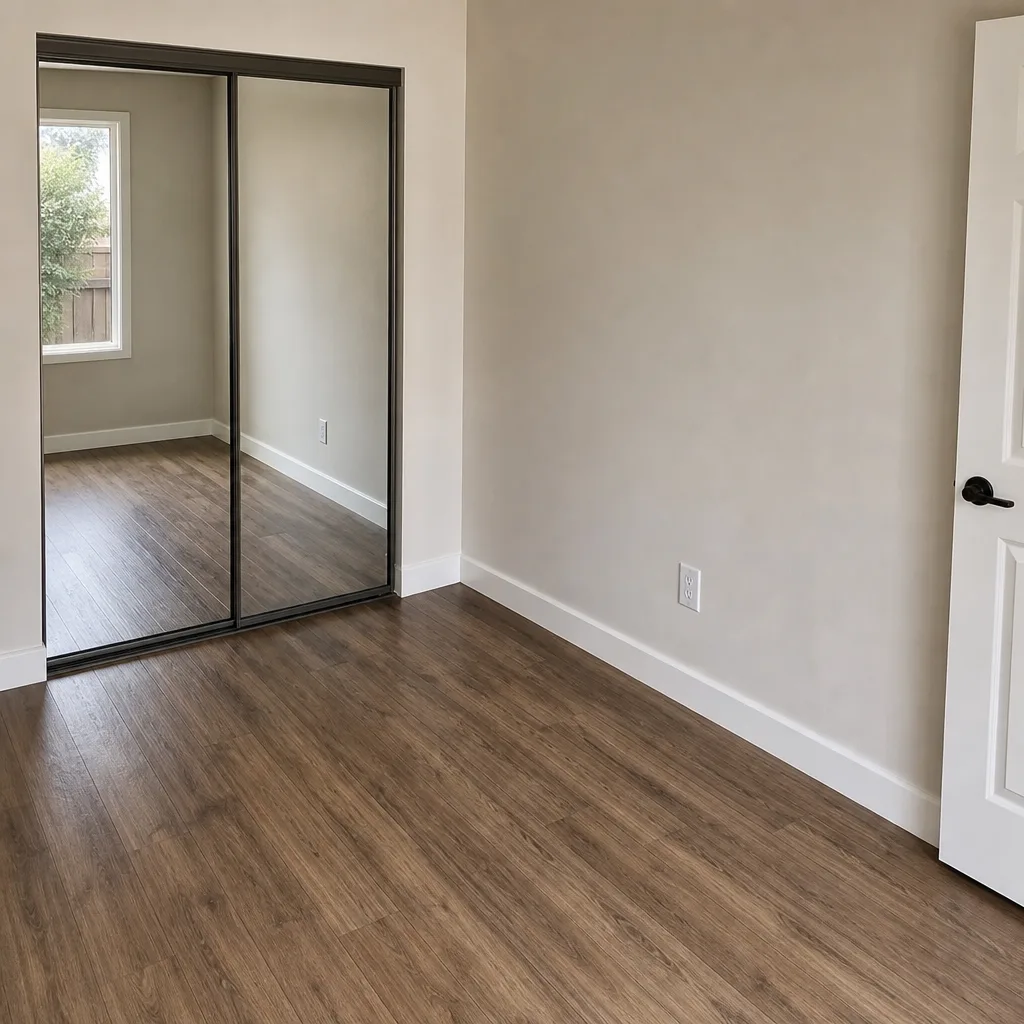 After
After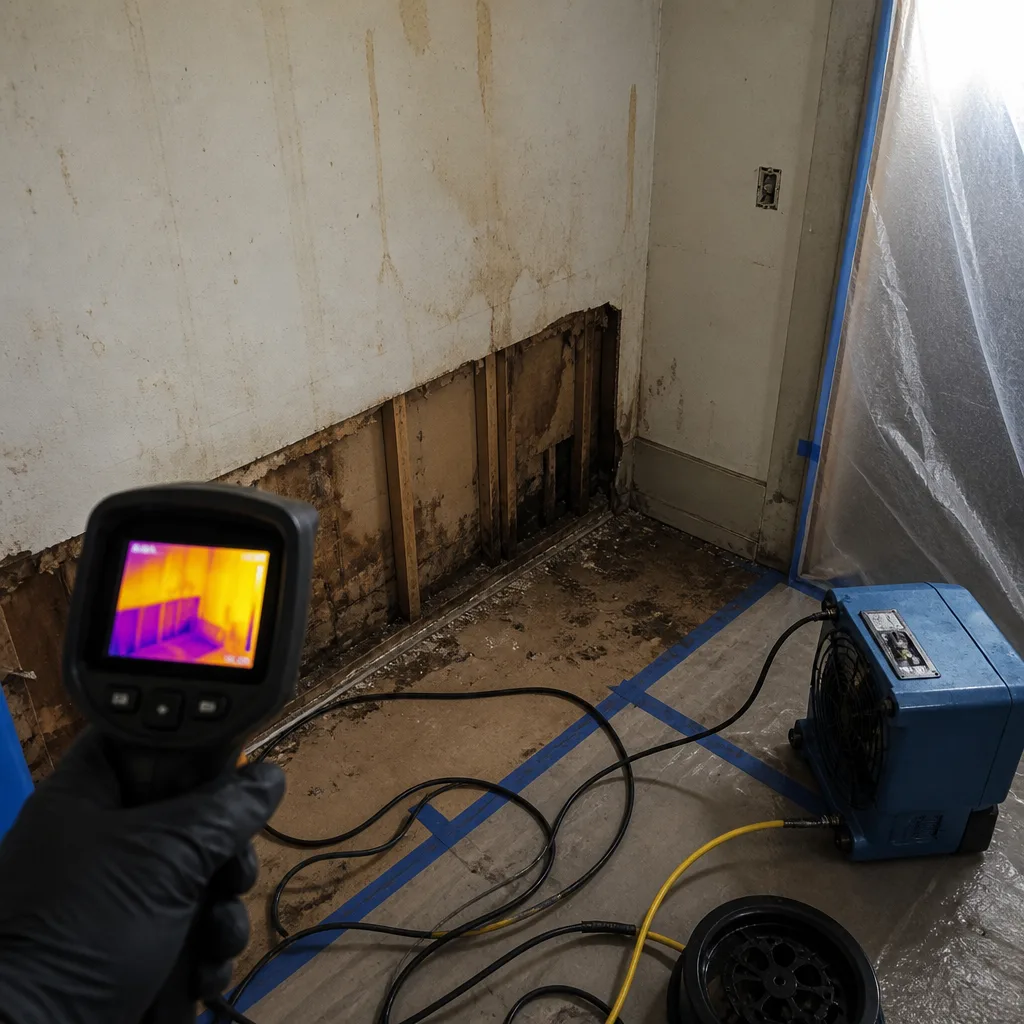 Before
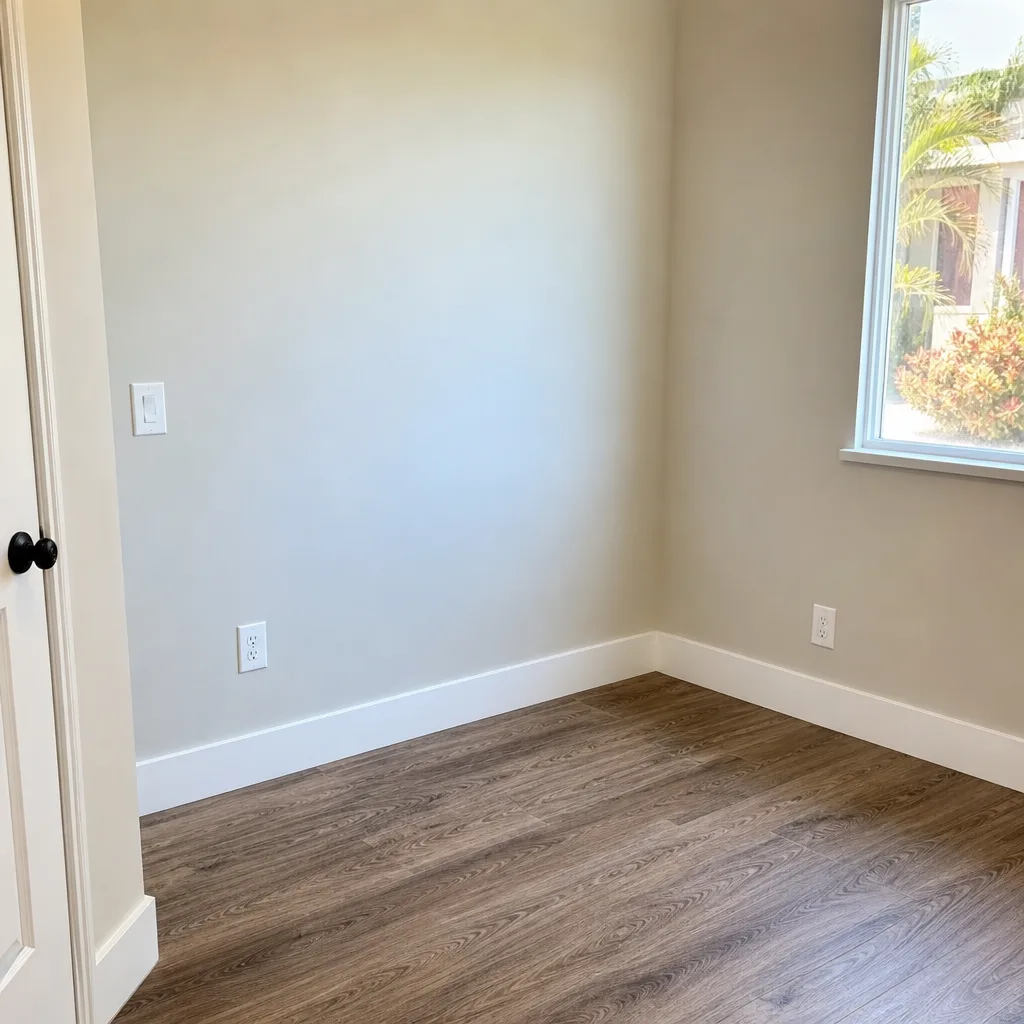 After
AfterDIY vs Professional Damage Restoration: The Escondido Homeowner’s Decision Guide
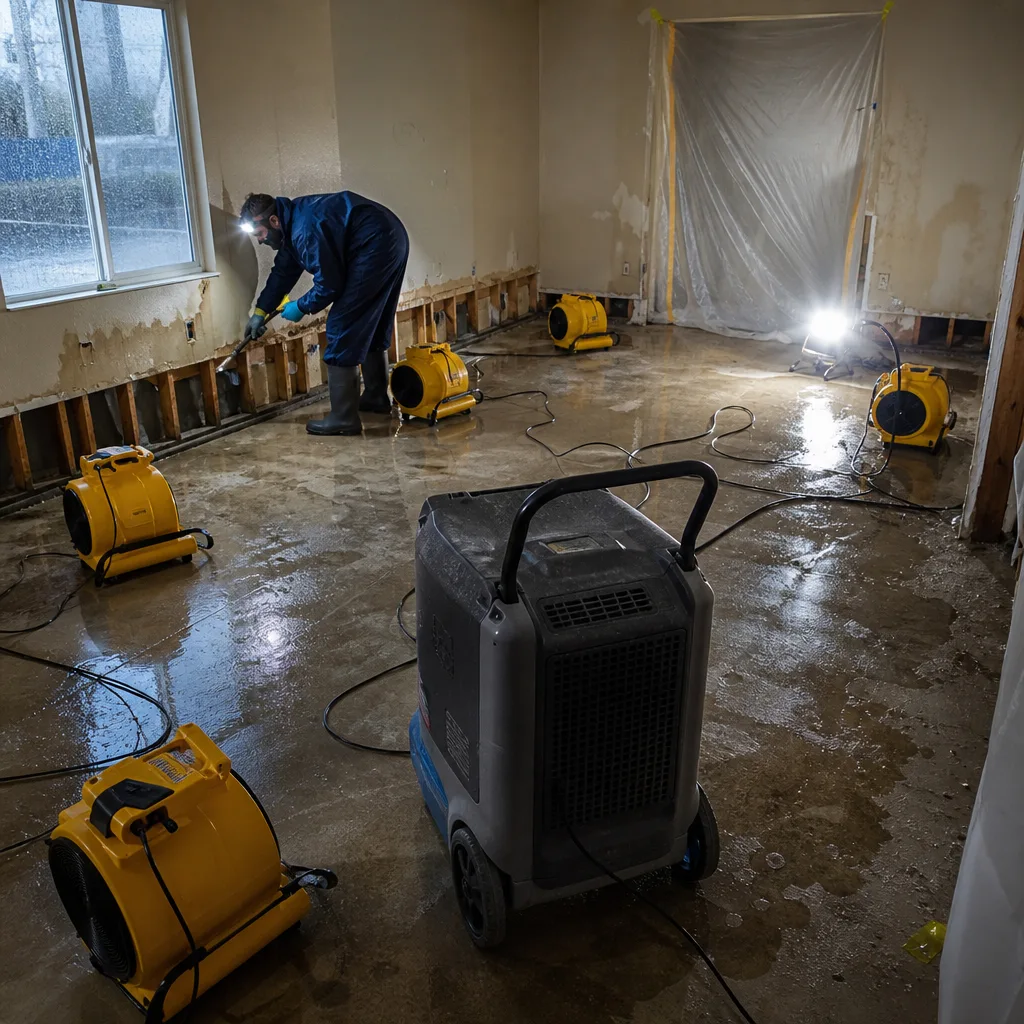
Escondido homeowners who dry their own water damage and then file an insurance claim face a specific problem: they have no third-party record of moisture readings, drying progress, or material conditions, and adjusters are trained to ask for exactly that. In our experience with over 12,000 homes since 2011, the DIY-versus-professional question isn’t about skill. It’s about documentation. A homeowner can rent a carpet extractor and run fans, but they cannot produce the timestamped moisture logs, equipment serial numbers, and IICRC-standard drying reports that turn a restoration invoice into a payable claim. This guide will show you where DIY ends and professional documentation begins, what California law says about mold thresholds, and how to protect your Escondido home’s value either way.
Quick Answer
DIY damage restoration is viable only for clean-water events under 10 square feet with no affected cabinetry, subfloor, or insurance claim intended. For everything else, professional restoration is required because insurers demand third-party documentation - calibrated moisture readings, daily drying logs, and equipment records - that homeowners cannot self-generate. In Escondido’s inland climate, where summer humidity drops below 40% and winter moisture lingers, proper psychrometric documentation matters even more.
Table of Contents
- Where DIY Restoration Actually Works (And Where It Doesn’t)
- The Documentation Gap: What Homeowners Cannot Self-Generate
- California Mold Law and the 10-Square-Foot Threshold
- How DIY Mitigation Affects Your Insurance Claim
- The Inherited Loss Problem: Why Professionals Charge More for DIY Starts
- Real Cost Comparison: When DIY Saves Money vs. Costs More
- Escondido’s Climate: Why Inland Drying Is Different
- Common Mistakes to Avoid
- When to Call a Professional
- Frequently Asked Questions
- The Bottom Line
BeforeAfterWhere DIY Restoration Actually Works (And Where It Doesn’t)
We have seen homeowners in Escondido’s older neighborhoods like Old Escondido and the Historic District successfully handle small water events themselves. The key is knowing the exact boundary.
Three Scenarios Where DIY Is Genuinely Viable
- Clean water, under 10 square feet, no porous materials affected. A toilet supply line fails onto a tile bathroom floor. You catch it within an hour, extract with a wet-dry vacuum, and run air movement for 48 hours. The water category is Category 1 (clean), the affected area is measurable, and no drywall, cabinetry, or subfloor absorbed moisture.
- No insurance claim intended. You pay out of pocket, you document with your own photos for your records, and you accept that no future claim for this event is possible. This is common for small rental properties in South Escondido where landlords handle minor issues directly.
- Emergency extraction only, with professional drying to follow. You stop the source and remove standing water immediately - the correct first step regardless - then call for structural drying documentation. This hybrid approach limits damage and preserves claim validity.
Where DIY Fails
DIY fails in three specific ways we document on inherited losses:
- Category 2 or 3 water (dishwasher discharge, washing machine overflow, sewage backup). These require antimicrobial treatment and specialized PPE. California Health and Safety Code regulates sewage handling; improper cleanup creates liability.
- Any affected subfloor or wall cavity. Moisture trapped in OSB subflooring or behind baseboards will not dry with consumer-grade air movement. We have found readings of 28% moisture content in subfloors that homeowners believed were dry.
- Any event where insurance may be involved. This is the documentation problem. Without third-party moisture logs, an adjuster can classify the loss as “unverified” and reduce or deny the claim.
The 10-square-foot rule is not arbitrary. It is the approximate area where capillary action in gypsum drywall creates a wicking effect that extends moisture beyond visible damage. A homeowner sees a 6-inch water stain. A moisture meter reveals a 3-foot gradient.
The Documentation Gap: What Homeowners Cannot Self-Generate
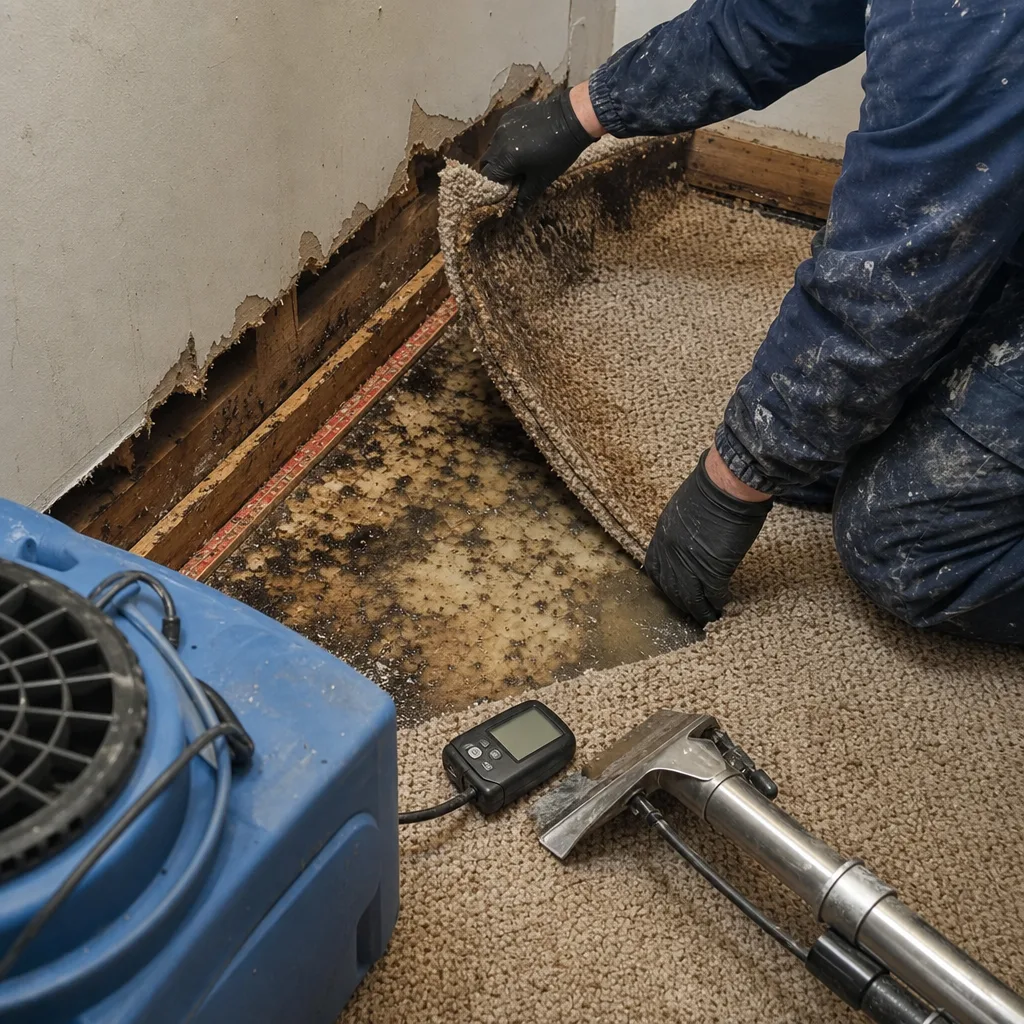
This is the core issue that defines our work at DryMark Restoration Escondido home. Documentation is not a bonus service. It is the product that makes insurance claims payable.
What Professional Documentation Includes
Every job we complete under The Haven Standard produces four deliverables that a homeowner cannot replicate:
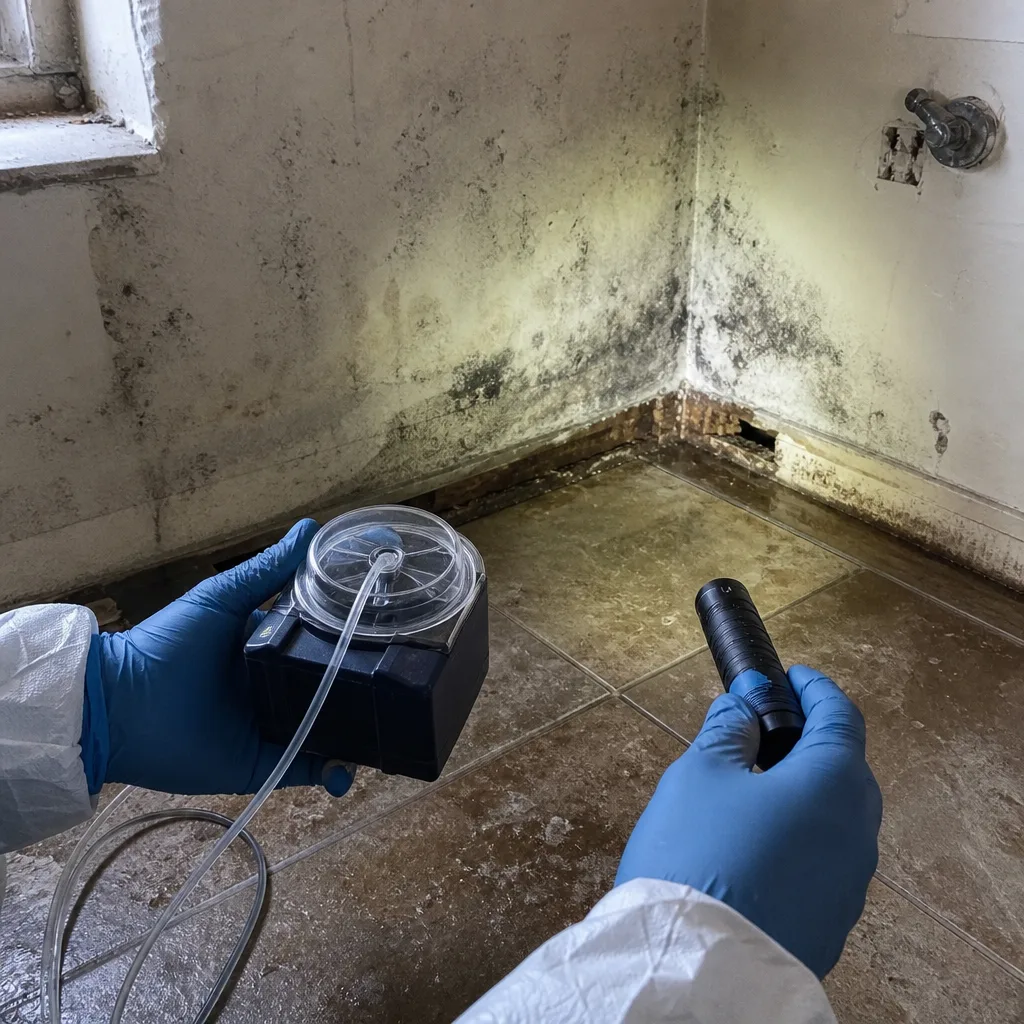
- Calibrated moisture readings with equipment traceability. We use meters calibrated to manufacturer standards with documented serial numbers. Most consumer moisture meters read 20-30% high on gypsum drywall because they are calibrated for softwood. A homeowner sees “16%” and thinks dry. The actual reading on gypsum is closer to 12%, which is still wet enough to support mold growth.
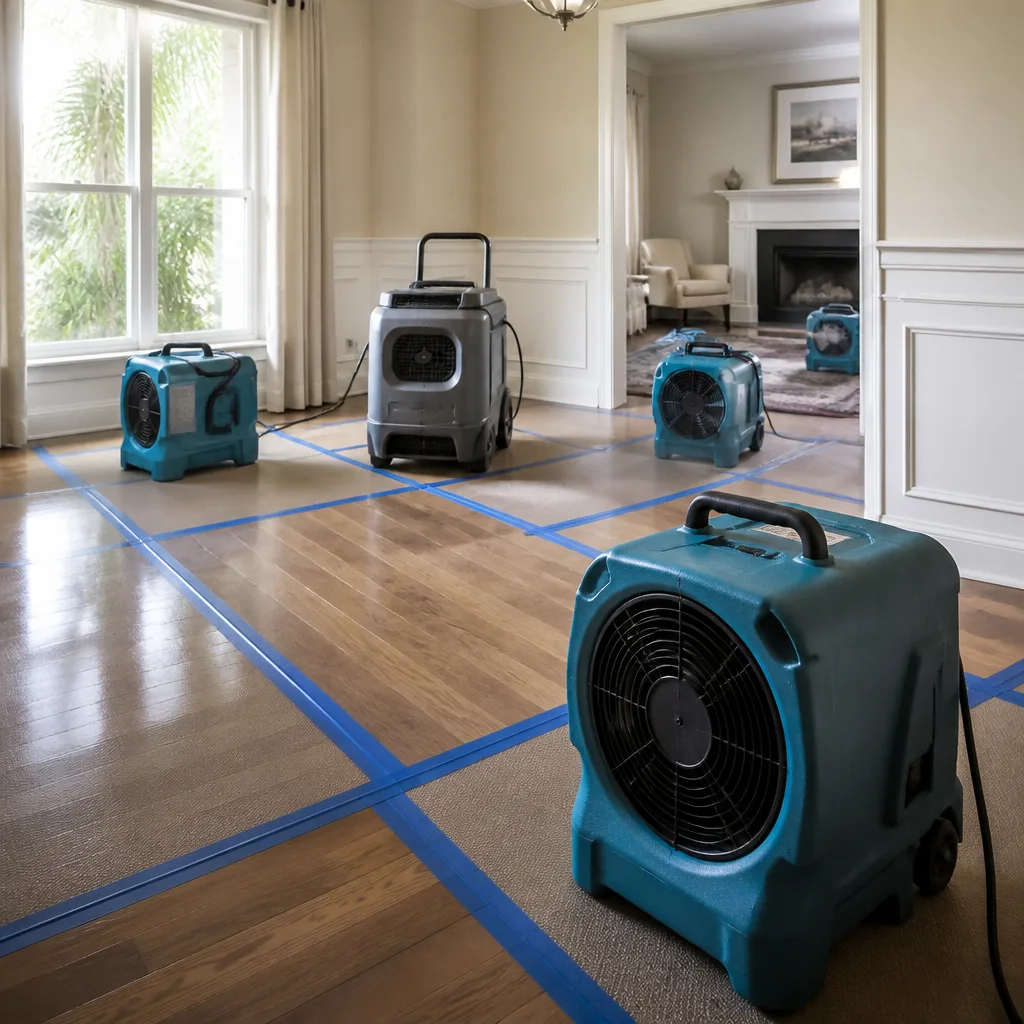
- Daily psychrometric data. This records temperature, relative humidity, and vapor pressure differential - the measurable force that drives moisture from materials into the air. Our Water Damage Restoration in Escondido crews use Dri-Eaz and Phoenix dehumidifiers with onboard data logging. Consumer dehumidifiers have no such capability.
- Equipment placement maps and serial numbers. Insurers verify that professional-grade equipment was deployed, not household fans. We document every air mover, dehumidifier, and Injectidry panel by serial number and location.
- Photo record on every visit. Haven Standard documentation requires dated, geotagged photos of each affected room, each piece of equipment, and each moisture reading. A homeowner’s phone photos lack the chain of custody that adjusters expect.
Why This Matters for Claims Over $5,000
California Department of Insurance data shows that claims over $5,000 trigger enhanced review protocols. The adjuster will request:
- Proof of timely mitigation (when was the loss reported, when did drying begin)
- Moisture content readings at start, during, and completion
- Equipment specifications and runtime hours
- Material classifications (Class 1 through 4, per IICRC S500)
A homeowner with a rented carpet cleaner and box fans has none of this. The claim is not automatically denied, but it is reduced. We have reviewed competitor estimates where the mitigation portion was cut 40% for documentation gaps.
California Mold Law and the 10-Square-Foot Threshold
California does not prohibit DIY mold remediation. It does create a liability structure that makes professional involvement prudent above specific thresholds.
The EPA Guidance California Courts Reference
The EPA recommends professional remediation for mold growth exceeding 10 square feet. This is not a California statute, but California courts reference it in property damage cases. The practical meaning: if you remediate a larger area yourself and mold returns, your insurer may classify the subsequent damage as resulting from unqualified work.
What 10 Square Feet Looks Like
Visual reference for Escondido homeowners:
- A standard ceiling tile: 4 square feet
- Behind a bathroom vanity: often 8-15 square feet of wall cavity
- The “small” water stain you notice: typically 6-12 square feet of actual affected area once probed
In Escondido’s Hidden Meadows and Felicita areas, we regularly find mold in hillside homes where winter moisture accumulates in foundation walls. The visible spot is 2 square feet. The cavity behind it is 20 square feet. A homeowner who treats the surface has addressed 10% of the problem.
Documentation Requirements for Rental Properties
Escondido landlords should note: California Civil Code Section 1941.1 requires habitable conditions. If a tenant reports mold and the landlord performs DIY remediation without documentation, the tenant has grounds to dispute the adequacy of the work. Professional remediation with written scope and completion photos protects both parties.
How DIY Mitigation Affects Your Insurance Claim
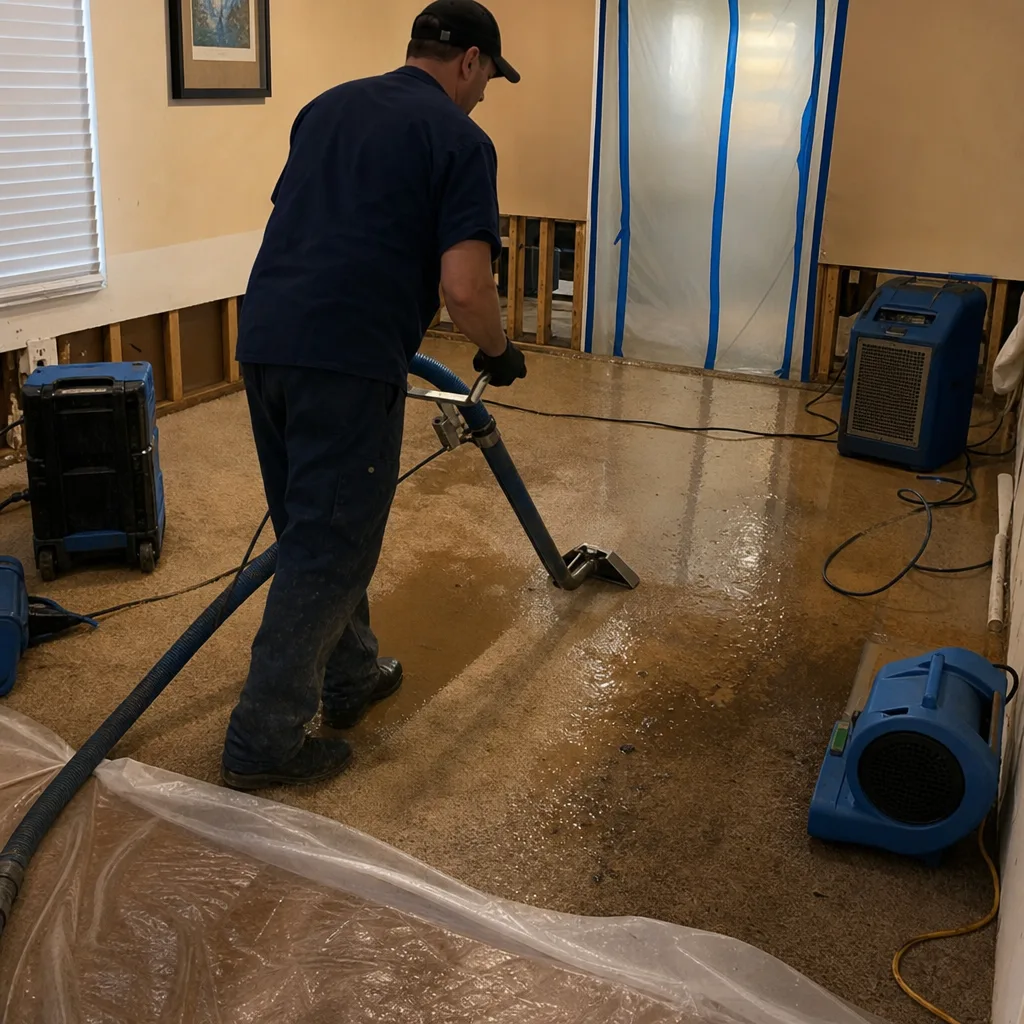
We built DryMark Restoration Escondido home around a specific problem: the documentation gap that costs homeowners their claims. This section explains the mechanism.
The Adjuster’s Standard Questions
When a claim exceeds $5,000, the adjuster will ask:
- What was the water category at discovery? (Category 1, 2, or 3 - this determines what can be salvaged)
- What was the initial moisture content of affected materials?
- What drying equipment was used, and for how many hours?
- What was the final moisture content, and how was it verified?
- Was antimicrobial treatment applied, and with what product?
A homeowner who performed their own mitigation has answers to none of these in a form the insurer accepts. “I ran fans for three days” is not a drying log. “It felt dry” is not a moisture reading.
The Specific Risk: Claim Reduction for “Unverified Mitigation”
Insurance policies contain a duty to mitigate clause. You must take reasonable steps to prevent further damage. But “reasonable” is defined by documentation. If you cannot prove you dried the structure to IICRC standards, the insurer can argue that subsequent damage (mold, structural decay, odor) resulted from inadequate mitigation, not the original loss.
We have reviewed claims in Escondido’s Harmony Grove area where the insurer reduced mold remediation coverage by 60% because the homeowner’s DIY drying left moisture in wall cavities. The original water damage was covered. The mold that grew two months later was not.
When DIY Actually Helps Your Claim
There is one exception. Immediate extraction of standing water - within the first 2-4 hours - is always beneficial. Document this with timestamped photos, then call for professional drying documentation. The photos prove timely mitigation. The professional provides the technical record.
The Inherited Loss Problem: Why Professionals Charge More for DIY Starts
This is a cost issue homeowners rarely anticipate. When a professional restoration company inherits a partially DIY-dried loss, they inherit a documentation gap they did not create but must now address.
The Liability Transfer
When we arrive at a home in Escondido’s Jesmond Dene or Vineyard neighborhoods where the homeowner has already run fans for 48 hours, we face an unknown condition. We cannot verify what moisture levels existed at the start. We cannot confirm that the water category has not degraded from Category 1 to Category 2 due to delayed response. We must assume the worst-case scenario for our documentation.
This means:
- More invasive investigation (removing baseboards, probing wall cavities)
- More extensive equipment deployment to overcome the delayed start
- More conservative material replacement recommendations
- Higher overall cost than if we had started at hour one
The Specific Cost Premium
In our experience, inherited DIY starts average 25-40% higher cost than professional starts at the same loss. The homeowner paid for rental equipment, spent their own time, and still pays more for professional documentation because the documentation must now account for an undocumented interval.
This is not a pricing tactic. It is the cost of reconstructing a record that should have existed from the start. The Haven Standard, Clause 1 - written price before work begins - applies to inherited losses too, but the price reflects the actual condition we find.
Real Cost Comparison: When DIY Saves Money vs. Costs More
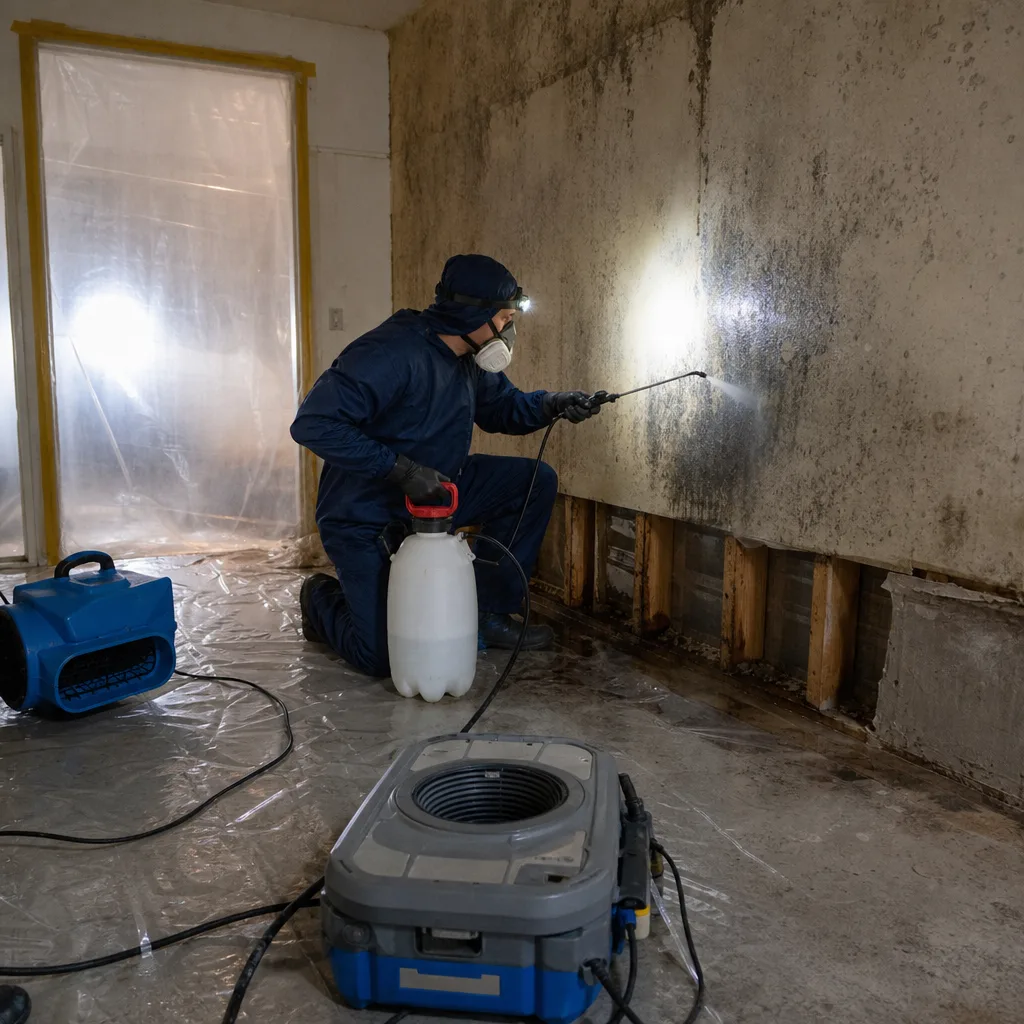
Scenario A: DIY Saves Money
A washing machine overflows onto a concrete garage floor in a home near Daley Ranch. The homeowner:
- Shuts off the supply line within 10 minutes
- Extracts standing water with a wet-dry vacuum ($0, already owned)
- Runs the garage’s existing exhaust fan for 24 hours
- Verifies dryness with a moisture meter on concrete (reliable surface for consumer meters)
- Documents with phone photos, no insurance claim filed
Total cost: $0. Risk: minimal. This is a valid DIY outcome.
Scenario B: DIY Costs More
A dishwasher supply line fails in a kitchen in Escondido’s Westfield area, affecting:
- 12 square feet of vinyl flooring
- Base of kitchen cabinets
- Wall behind dishwasher
The homeowner:
- Rents a carpet extractor ($45/day, 2 days = $90)
- Rents three air movers ($25/day each, 3 days = $225)
- Purchases a consumer dehumidifier ($180)
- Runs equipment for 72 hours, believes structure is dry
- Files insurance claim for cabinet replacement two months later when doors warp
The insurer requests mitigation documentation. None exists. The claim for cabinet replacement is reduced 50% for “unverified prior moisture condition.” The homeowner pays $2,800 out of pocket for cabinets that would have been fully covered with professional documentation.
Total DIY “savings”: negative $2,695.
The Break-Even Analysis
| Factor | DIY Viable | Professional Required |
|---|---|---|
| Water category | Category 1 only | Category 2 or 3 |
| Affected area | Under 10 sq ft | 10 sq ft or more |
| Depth of penetration | Surface only | Subfloor, wall cavity, or insulation |
| Insurance involvement | No claim intended | Any claim, any amount |
| Time to professional | Within 2 hours for extraction | Within 24 hours for full mitigation |
| Material type | Tile, concrete, solid wood | Gypsum, OSB, carpet pad, insulation |
Escondido’s Climate: Why Inland Drying Is Different
Escondido sits 20 miles inland from the Pacific, at an elevation of 680 feet. This geography creates specific drying conditions that differ from coastal San Diego County.
Summer Conditions: Low Humidity, High Evaporation Demand
July and August in Escondido average 35-45% relative humidity. This seems favorable for drying, and it is - for surface moisture. The problem is vapor pressure differential. When outdoor humidity is extremely low, moisture deep in materials evaporates rapidly at the surface, creating a “dry shell” over wet substrate. A homeowner feels dry drywall. A probe reading reveals 18% moisture content at 2 inches depth, well above the 12% threshold for mold risk.
Professional drying in Escondido summers requires controlled dehumidification, not just air movement. We use Phoenix and Dri-Eaz LGR dehumidifiers to maintain 40-50% relative humidity during drying - high enough to draw moisture from depth without overdrying surfaces.
Winter Conditions: Lingering Moisture
December through February, Escondido’s relative humidity climbs to 65-75%, especially in canyon-adjacent neighborhoods like Hidden Meadows and Harmony Grove. Drying times extend 30-50% compared to summer. A homeowner who expects 3-day drying based on summer experience may face 5-7 days in January, with mold risk accumulating on day 4.
Santa Ana Wind Events
The dry northeast winds that hit Escondido each fall create extreme fire risk, but they also complicate drying. Rapid surface desiccation can cause hardwood flooring to cup and crown. Professional drying uses slower, controlled methods during Santa Ana conditions - another scenario where aggressive DIY air movement causes damage.
Common Mistakes to Avoid
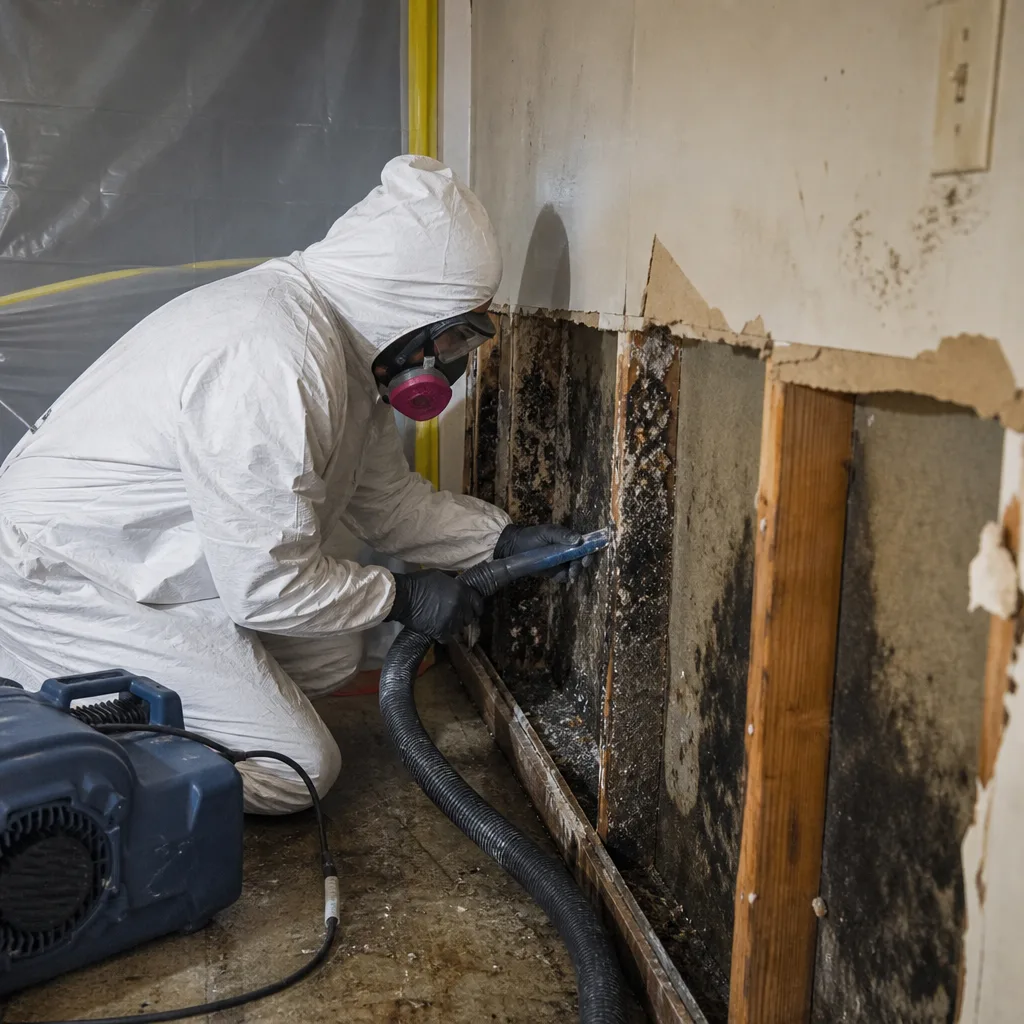
- Using a consumer moisture meter on gypsum without species correction. Most consumer meters are calibrated for Douglas fir. On gypsum, they read high by 20-30%. You think it’s dry; it’s not. We verify with meters calibrated to ASTM F2659 standards.
- Running household fans without dehumidification. Moving wet air around does not remove moisture. It distributes it. We have found mold in closets and ceiling cavities downwind from DIY fan setups in Escondido’s Central Avenue corridor homes.
- Applying bleach to mold on porous surfaces. Bleach kills surface mold on non-porous materials. On drywall or wood, it adds moisture and can worsen the problem. Mold Remediation in Escondido requires antimicrobial products formulated for the specific material.
- Waiting for insurance approval before starting mitigation. Policies require timely mitigation. Document your emergency steps, then proceed. We provide written scopes within 4 hours of arrival that satisfy most insurers’ documentation requirements retroactively.
- Ignoring the water category degradation timeline. Category 1 water becomes Category 2 in 48-72 hours, and Category 3 in 7 days. A homeowner who “waits to see if it dries” often crosses this threshold unknowingly, complicating coverage.
- Failing to document the source and initial conditions. Even if you handle the mitigation yourself, timestamped photos of the source, the spread, and your response protect you if conditions worsen. Most homeowners take none.
- Assuming Escondido’s dry climate means faster drying. Low humidity accelerates surface drying, which masks deep moisture. The inland climate requires professional monitoring of depth readings, not just surface checks.
When to Call a Professional
Call for professional documentation when: the water category is unknown or may have degraded; affected area exceeds 10 square feet; any subfloor, wall cavity, or insulation is involved; mold is visible or suspected; an insurance claim is possible now or in the future; or more than 24 hours has passed since the loss began.
DryMark Restoration Escondido offers free estimates in Escondido - call (760) 691-2950. Every estimate includes a written price before work begins, per Haven Standard, Clause 1. We also provide a Free Second Opinion on any competitor’s written estimate. Our Fire & Smoke Damage Restoration in Escondido and other services follow the same documentation protocol: photo record on every visit, daily moisture logs, and the 365-Day Done Right Promise backed by The Haven Standard.
Frequently Asked Questions
You can file, but the claim will likely be reduced or denied for lack of mitigation documentation. Insurers require third-party verification of drying standards. Without timestamped moisture readings and equipment records, the adjuster cannot confirm the loss was properly mitigated, and may classify subsequent damage as resulting from inadequate response. Call (760) 691-2950 for a free estimate - we can document even late-stage losses, though costs may be higher than if we had started earlier.
Our live dispatch answers every call, 24 hours a day, 7 days a week, with no voicemail on emergency lines. Typical on-scene time in Escondido is under 90 minutes for water damage emergencies. For Water Damage Restoration in Escondido, we provide a written scope within 4 hours of arrival. Reconstruction and non-emergency services are scheduled, not dispatched.
Most homeowners policies cover sudden and accidental water damage, including professional mitigation, minus your deductible. We coordinate directly with adjusters and provide the documentation package - photo record, drying logs, equipment specifications - that supports full coverage. Our direct adjuster coordination is included as standard, never an upsell. Bring any competitor’s written estimate for our Free Second Opinion.
For areas under 10 square feet with no HVAC involvement, surface cleaning with appropriate products is EPA-acceptable. Above 10 square feet, or with any HVAC contamination, professional remediation is recommended. The critical factor is documentation: if mold returns and you have no professional record of the initial condition and treatment, your insurer may deny subsequent claims. Mold Remediation in Escondido under The Haven Standard includes written scope, photo documentation, and post-remediation verification.
Under The Haven Standard, every DryMark Restoration Escondido job produces: a written price before work begins (Clause 1); a photo record on every visit, geotagged and dated; daily moisture logs with calibrated readings; equipment placement maps with serial numbers; and a signed 365-Day Done Right Promise. These documents are your evidence if an insurer questions the claim. We have used them to overturn claim denials on behalf of Escondido homeowners.
Consumer moisture meters typically lack calibration certificates and species correction for gypsum. For insurance documentation, you need a meter traceable to NIST standards with documented calibration dates. We use meters calibrated annually, with readings recorded in our drying logs. The $40 meter from a hardware store cannot produce insurer-acceptable documentation. If you are considering DIY mitigation with possible insurance involvement, call (760) 691-2950 first - we can advise on documentation requirements at no charge.
The Bottom Line
DIY damage restoration is a documentation problem disguised as a skill problem. A capable homeowner can extract water and run equipment. They cannot produce the third-party moisture logs, equipment records, and IICRC-standard drying reports that insurers require for claims over $5,000. In Escondido’s inland climate, where summer surface drying masks deep moisture and winter humidity extends drying times, professional documentation matters even more. The threshold is clear: clean water under 10 square feet, no porous materials, no insurance claim - DIY is viable. Everything else requires professional documentation to protect your home’s value and your coverage. The cost of inadequate documentation is not the mitigation you performed. It is the claim reduction you did not anticipate.
Written by Alicia Brennan, Owner at DryMark Restoration Escondido, serving Escondido since 2011.